
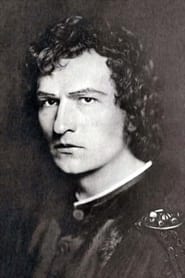
Friedrich Kühne
Actor
Born: April 24, 1870 in Prague, Austria-Hungary (now Czech Republic) Died: October 13, 1944 Active: 1913-1931 Birth Name: Friedrich Küne
Films
7 films

About Friedrich Kühne
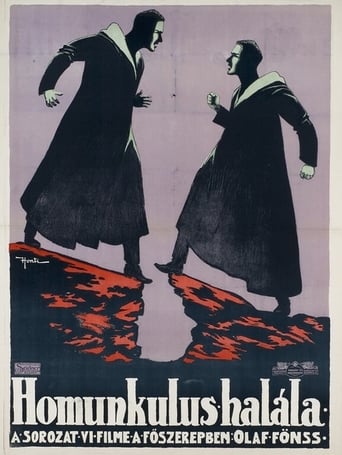
Friedrich Kühne, born Friedrich Küne on April 24, 1870, in Prague, Austria-Hungary (now Czech Republic), was a prolific character actor in German silent cinema who became renowned for his villainous roles. He began his career on the theatrical stage before transitioning to film in the early 1910s, quickly establishing himself as one of German cinema's most recognizable antagonists. Kühne worked with many prominent directors of the era, including Otto Rippert in the science fiction serial 'Homunculus' and Ernst Lubitsch in the epic 'The Loves of Pharaoh.' His distinctive appearance, with piercing eyes and a commanding presence, made him particularly effective in roles as criminals, mad scientists, and other sinister characters. Throughout his career spanning from 1913 to 1931, he appeared in over 100 films, becoming prolific character actors of the German silent era. As sound cinema emerged, his opportunities diminished, though he continued taking smaller roles into the early 1930s. He spent his final years in Berlin, where he died on October 13, 1944, during the final months of World War II.
The Craft
On Screen
Kühne's acting style was characterized by the exaggerated gestures and intense facial expressions typical of German Expressionist cinema. He employed a theatrical approach to his film performances, using his commanding physical presence and piercing gaze to create menacing and memorable villains. His technique emphasized dramatic contrasts in movement and emotion, making his antagonists particularly effective in the silent medium where visual storytelling was paramount. Kühne had a remarkable ability to convey complex emotions through subtle facial expressions while maintaining the larger-than-life quality required for Expressionist cinema.
Milestones
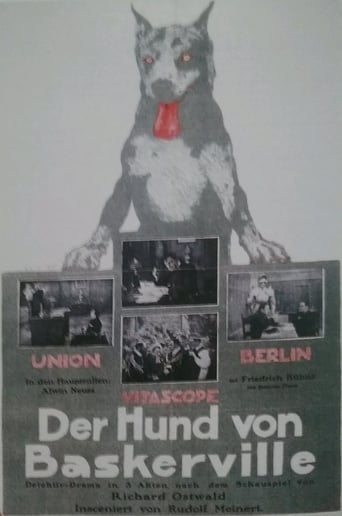
- Breakthrough role as Dr. Moriarty in The Hound of the Baskervilles (1914)
- Starring role in the science fiction serial Homunculus (1916)
- Collaboration with Ernst Lubitsch on The Loves of Pharaoh (1922)
- Transition from stage acting to successful film career
- Became
Best Known For
Iconic Roles
Must-See Films
Accolades
Special Recognition
- Recognized as one of the character actors of German silent cinema
- Remembered for his contributions to German Expressionist film
Working Relationships
Worked Often With
Studios
Why They Matter
Impact on Culture
Friedrich Kühne made significant contributions to the development of character acting in German silent cinema, particularly within the Expressionist movement. His distinctive villainous portrayals helped establish archetypes that would influence cinema for decades, from mad scientists to criminal masterminds. Kühne's work in films like 'Homunculus' and 'The Hound of the Baskervilles' demonstrated how character actors could elevate genre films through memorable performances. His ability to create complex antagonists without dialogue influenced the visual storytelling techniques of the silent era and contributed to the international recognition of German cinema as an artistic force in the 1910s and 1920s.
Lasting Legacy
Friedrich Kühne's legacy endures through his extensive body of work in German silent cinema, where he helped define the visual language of character acting in the Expressionist style. His performances continue to be studied by film scholars as examples of how actors could convey complex emotions and character traits through purely physical means in silent films. While less remembered than leading stars like Conrad Veidt or Emil Jannings, Kühne's contributions to German cinema's golden age were significant, particularly in establishing the importance of strong character actors in creating compelling narratives. His work remains accessible through film archives and silent film festivals, where new generations can appreciate his distinctive contributions to early cinema.
Who They Inspired
Kühne influenced subsequent generations of character actors, particularly those specializing in villainous roles. His techniques for creating menacing characters through physical presence and facial expression became part of the toolkit for actors in horror and thriller genres. His work in German Expressionist cinema contributed to a visual style that would later influence Hollywood film noir and horror films. Directors who worked with him, like Ernst Lubitsch, carried forward techniques of maximizing character actor contributions to ensemble casts in their later Hollywood careers.
Off Screen
Friedrich Kühne was born into a German-speaking family in Prague when it was part of the Austro-Hungarian Empire. He began his career in theater before transitioning to the burgeoning film industry in Germany. Details about his personal life, including marriages and family, are scarce in historical records, which was common for character actors of his era who often lived private lives away from the public eye. He spent most of his professional life in Berlin, which was the center of German film production during his active years.
Education
Theatrical training and stage experience prior to film career; specific educational institutions not documented in available records
Did You Know?
- Born Friedrich Küne, he added the umlaut to his surname for his stage name
- Appeared in over 100 films during his career, though many are now lost
- Was particularly typecast as villains due to his distinctive appearance and intense gaze
- Worked during the golden age of German cinema, contributing to its international reputation
- His role in 'The Hound of the Baskervilles' was one of the earliest major film adaptations of Sherlock Holmes
- Survived World War I and continued his film career through the turbulent Weimar Republic period
- Lived through the transition from silent to sound cinema, though his career declined with the advent of talkies
- Died in Berlin just months before the end of World War II
- Was part of the generation of actors who helped establish film as a serious artistic medium in Germany
- His work in 'Homunculus' contributed to early science fiction cinema tropes
In Their Own Words
No direct quotes from Friedrich Kühne are widely documented in historical records, which was common for character actors of the silent era who were known more for their visual performances than their words
Frequently Asked Questions
Who was Friedrich Kühne?
German character with credits in this catalog. Born in 1870 in Prague, he appeared in over 100 films between 1913 and 1931, becoming.
What films is Friedrich Kühne best known for?
Titles linked here include The Hound of the Baskervilles (1914), Homunculus (1916).
When was Friedrich Kühne born and when did he die?
Born April 24, 1870; died October 13, 1944.
What awards did Friedrich Kühne win?
There are no documented awards or formal recognitions that Friedrich Kühne received during his lifetime, which was common for character actors of the silent era. His legacy is primarily recognized through his extensive filmography and contributions to German Expressionist cinema.
What was Friedrich Kühne's acting style?
Kühne's acting style was characterized by the exaggerated gestures and intense facial expressions typical of German Expressionist cinema. He used his commanding physical presence and distinctive features to create memorable villains, employing theatrical techniques adapted for the silent film medium where visual storytelling was paramount.