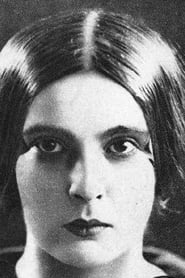
Yuliya Solntseva
Actor & Director
Born: August 7, 1901 in Moscow, Russian Empire Died: October 29, 1981 Active: 1924-1979 Birth Name: Yuliya Isaakovna Solntseva
Films
4 films
About Yuliya Solntseva
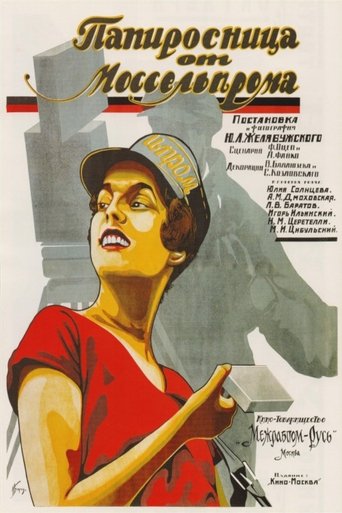
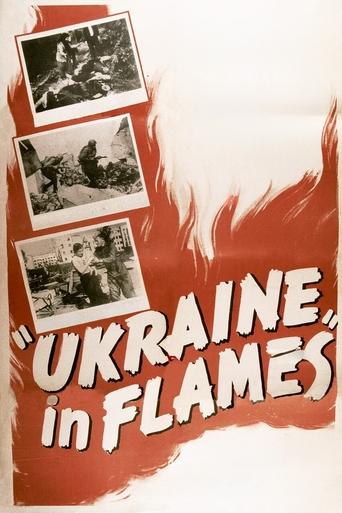
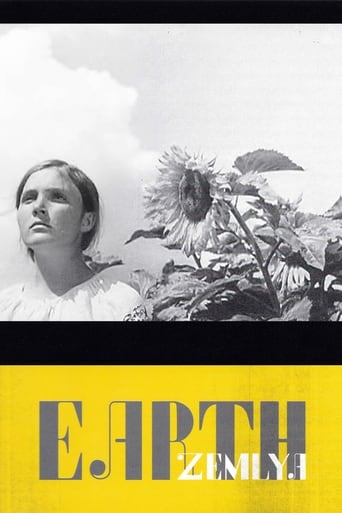
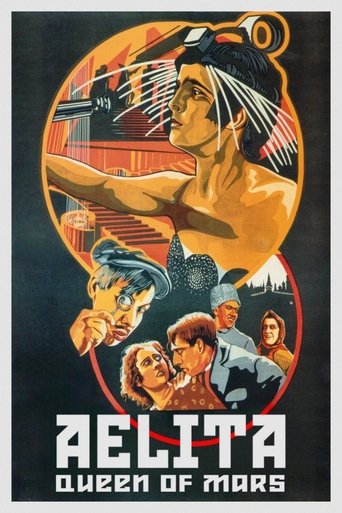
Made significant contributions to early Soviet cinema during the silent era and beyond. Born in Moscow in 1901, she began her acting career in the early 1920s and quickly rose to prominence with memorable performances in landmark Soviet films including 'Aelita: Queen of Mars' (1924), one of the first major science fiction films, and 'The Cigarette Girl of Mosselprom' (1924). Her performance in Alexander Dovzhenko's 'Earth' (1930) is considered one of her most powerful acting achievements, showcasing her ability to convey deep emotion through the subtle techniques required by silent cinema. After marrying director Alexander Dovzhenko in 1930, Solntseva transitioned into directing, becoming one of the first female directors in Soviet cinema. She collaborated closely with her husband on several projects and later directed her own films, including the documentary 'Ukraine in Flames' (1943), which documented the devastation of World War II. Following Dovzhenko's death in 1956, she completed several of his unfinished projects and continued directing until the 1970s, leaving an indelible mark on Soviet film history as both a performer and filmmaker.
The Craft
On Screen
Solntseva's acting style was characterized by expressive subtlety and emotional depth, perfectly suited to the demands of silent cinema. She possessed a remarkable ability to convey complex emotions through minimal gestures and facial expressions, mastering the art of pantomime that was essential before the advent of sound. Her performances often featured a blend of naturalism and theatrical intensity, allowing her to portray both ordinary characters and fantastical roles with equal conviction. In 'Aelita,' she demonstrated her versatility by playing both an earthly character and the Martian queen, showcasing her range within the constraints of silent film acting.
Behind the Camera
As a director, Solntseva developed a lyrical and poetic visual style influenced by her collaboration with Alexander Dovzhenko. Her filmmaking emphasized the relationship between humans and nature, often using sweeping landscapes and natural imagery to convey emotional and political themes. She had a particular talent for documentary filmmaking, combining observational techniques with artistic sensibility to create powerful narratives about Soviet life and history. Her direction of 'Ukraine in Flames' demonstrated her ability to blend documentary authenticity with dramatic storytelling, creating a work that was both informative and emotionally resonant.
Milestones
- Breakthrough role in 'Aelita: Queen of Mars' (1924)
- Starred in 'The Cigarette Girl of Mosselprom' (1924)
- Powerful performance in Dovzhenko's 'Earth' (1930)
- Directed documentary 'Ukraine in Flames' (1943)
- Became one of Soviet cinema's first female directors
- Completed Alexander Dovzhenko's unfinished films after his death
- Awarded People's Artist of the USSR in 1981
Best Known For
Iconic Roles
Must-See Films
Accolades
Won
- Stalin Prize (1949)
- People's Artist of the USSR (1981)
- Order of Lenin (1961)
- Order of the Red Banner of Labour (1971)
Nominated
- Cannes Film Festival Palme d'Or nomination for 'The Enchanted Desna' (1964)
Special Recognition
- Honored Artist of the RSFSR (1935)
- People's Artist of the RSFSR (1970)
- Vasilyev Brothers State Prize of the RSFSR (1966)
Working Relationships
Worked Often With
Studios
Why They Matter
Impact on Culture
Yuliya Solntseva's cultural impact extends far beyond her individual films and performances, as she represents a figure in Soviet cinema who broke gender barriers in filmmaking. Her work in the 1920s helped establish the visual language of Soviet science fiction cinema, particularly through her iconic role in 'Aelita,' which influenced countless future sci-fi productions both in the Soviet Union and internationally. As one of the first female directors in Soviet cinema, she paved the way for future generations of women filmmakers in a male-dominated industry. Her documentary work, especially 'Ukraine in Flames,' provided crucial historical documentation of World War II's impact on the Soviet Union, preserving important cultural memory for future generations. Her ability to transition successfully from acting to directing demonstrated the multifaceted nature of cinematic talent and inspired others to pursue diverse roles within the film industry.
Lasting Legacy
Yuliya Solntseva's legacy in film history is that of a trailblazer who excelled both in front of and behind the camera during a transformative period in cinema. She is remembered as. As a director, she expanded the possibilities for women in Soviet filmmaking and created a body of work that blended artistic vision with social commentary. Her dedication to completing Alexander Dovzhenko's unfinished projects after his death ensured that some of Soviet cinema's most important works were preserved for posterity. Today, film scholars recognize her as a crucial figure in understanding the development of both Soviet and international cinema, particularly in the realms of science fiction, documentary, and poetic realism.
Who They Inspired
Solntseva influenced numerous filmmakers through her innovative approach to visual storytelling and her ability to blend documentary techniques with narrative cinema. Her work in 'Ukraine in Flames' established a template for wartime documentary filmmaking that balanced reportage with artistic expression, influencing later Soviet documentary directors like Mikhail Romm and Elem Klimov. Her transition from actress to director provided a model for other women seeking to expand their roles in the film industry, particularly in countries where gender barriers were even more pronounced. The visual style she developed in collaboration with Dovzhenko, emphasizing the poetic potential of landscape and natural imagery, influenced the Soviet poetic cinema movement of the 1960s and 1970s. Her performances in silent cinema continue to be studied by actors and film students as examples of how to convey complex emotions without dialogue, making her work perpetually relevant to the art of screen acting.
Off Screen
Yuliya Solntseva's personal life was deeply intertwined with her professional career, particularly through her marriage to acclaimed director Alexander Dovzhenko. Their partnership was both romantic and artistic, with Solntseva often serving as his muse, collaborator, and later as the guardian of his cinematic legacy after his death. She was known for her fierce dedication to Soviet cinema and her unwavering support of her husband's vision, even when his work faced political scrutiny. Despite the challenges of working in the Soviet film industry during periods of political repression, Solntseva maintained her artistic integrity and continued to create meaningful cinema throughout her life.
Education
Graduated from the State Institute of Cinematography (VGIK) in Moscow, studied under influential Soviet film theorists and directors of the 1920s
Family
- Alexander Dovzhenko (1930-1956, his death)
Did You Know?
- Was one of the first female directors in Soviet cinema
- Her role in 'Aelita' required her to play both an earthly character and the Martian queen
- Worked as a war correspondent during World War II, which inspired 'Ukraine in Flames'
- Completed Alexander Dovzhenko's unfinished film 'The Enchanted Desna' after his death
- Was the only person to direct films at Dovzhenko Film Studios who had worked directly with its namesake
- Her birth name was Yuliya Issaakovich Peresvetova before adopting her stage name
- Served as a member of the jury at the Cannes Film Festival in 1965
- Her final film 'Such High Mountains' was released in 1974 when she was 73 years old
- Was awarded the Order of Lenin, the Soviet Union's highest civilian honor
- Preserved many of Alexander Dovzhenko's personal papers and archives, now held at the Dovzhenko Center
In Their Own Words
Cinema is not just entertainment, it is the chronicle of our people's soul and struggle
When I stand behind the camera, I feel the same excitement I felt as an actress, but now I can shape the entire world of the story
Alexander taught me that every frame must contain poetry, even when documenting the harshest realities
The camera doesn't lie, but it can reveal deeper truths than the eye alone can see
In Soviet cinema, we don't just make films – we build the future through images
Frequently Asked Questions
Who was Yuliya Solntseva?
Soviet actress and on YTB.my. She was one of the first female directors in Soviet cinema and was married to acclaimed director Alexander Dovzhenko, with whom she collaborated extensively.
What films is Yuliya Solntseva best known for?
Titles linked here include Aelita: Queen of Mars (1924), The Cigarette Girl of Mosselprom (1924).
When was Yuliya Solntseva born and when did she die?
Born August 7, 1901; died October 29, 1981.
What awards did Yuliya Solntseva win?
Solntseva received numerous prestigious awards including the Stalin Prize (1949), was named People's Artist of the USSR (1981), received the Order of Lenin (1961), and won the Vasilyev Brothers State Prize of the RSFSR (1966). She was also nominated for the Palme d'Or at Cannes for 'The Enchanted Desna' in 1964.
What was Yuliya Solntseva's acting and directing style?
As an actress, Solntseva was known for her expressive subtlety and emotional depth in silent cinema, conveying complex emotions through minimal gestures. Her directing style was lyrical and poetic, emphasizing the relationship between humans and nature, with a particular talent for blending documentary authenticity with artistic storytelling.