Willy Kaiser-Heyl
Actor
- Active
- 1922-1925
Films 2
About Willy Kaiser-Heyl
Willy Kaiser-Heyl was a German actor of the silent era whose screen career is documented in the early 1920s, including appearances in Alexandra (1922) and Fritz Lang's science-and-fantasy production Our Heavenly Bodies (1925). He worked during a period when German cinema was internationally influential, especially through the stylized visual worlds of Weimar-era filmmaking. Surviving records show him as a performer active in feature films rather than as a major star, and he appears to have been one of the many character actors who helped give silent-era productions their texture and credibility. Because documentation on his life is sparse, much of his biography is reconstructed from film credits rather than extensive contemporary publicity or memoir material. His name suggests he may have been known in German-speaking theatrical or film circles beyond the few surviving credits commonly cited today. He remains a small but authentic part of silent cinema history, representing the many working actors whose contributions supported the era's greatest productions.
More about Willy Kaiser-Heyl
On screen
Specific descriptions of Willy Kaiser-Heyl's acting style are not preserved in the available record. Based on the conventions of German silent cinema in which he worked, his performances would have relied on physically expressive gesture, clear facial emphasis, and precise body language to communicate character in the absence of synchronized dialogue. His surviving credits suggest work in stylized, visually driven productions rather than in broadly naturalistic studio comedy or later sound-era dialogue performance. Without surviving reviews or detailed production notes, any fuller stylistic description would be speculative.
In film history
Willy Kaiser-Heyl's cultural impact is best understood as part of the broader network of supporting performers who made early German cinema possible. While he does not appear to have been a celebrity of the first rank, his participation in films from the Weimar period places him within one of the most artistically significant movements in world cinema. Silent-era German productions depended on actors who could sustain highly visual storytelling, and performers like Kaiser-Heyl contributed to the atmosphere, credibility, and dramatic structure of these films. His presence in a Fritz Lang picture also ties him indirectly to the international legacy of German expressionist and fantasy filmmaking.
Later reputation
Kaiser-Heyl's lasting legacy lies in his presence within the historical record of silent German cinema, where even brief or supporting credits help scholars reconstruct production cultures and casting networks. His career is a reminder that classic cinema history is not built only on stars, but also on dozens of working actors whose names survive primarily in credits and archival lists. Because little biographical information remains easily accessible, he has become more of an archival figure than a popularly remembered performer. Nevertheless, his filmography contributes to the documentation of early 1920s German screen acting and the personnel associated with landmark productions.
Influence
There is no evidence that Willy Kaiser-Heyl exerted a widely documented direct influence on later actors or directors in the way major stars or auteurs did. His influence is therefore indirect: he is part of the performing tradition that sustained Weimar cinema's visual storytelling and ensemble casting practices. By participating in films of the period, he helped establish the professional norms of silent screen performance in Germany. For historians, his credits are valuable as evidence of the broader ecology of talent that enabled the era's most enduring films.
Off screen
Very little is currently documented about Willy Kaiser-Heyl's personal life in readily available film reference sources. His birth and death details, marital status, family background, and education are not clearly established in the surviving mainstream record. As with many minor silent-era performers, his private life appears to have left little trace in widely accessible archival summaries. Any fuller account would require deeper consultation of German archival sources, theater yearbooks, or contemporary trade publications.
Education
Not known from available mainstream film-reference sources.
Credits
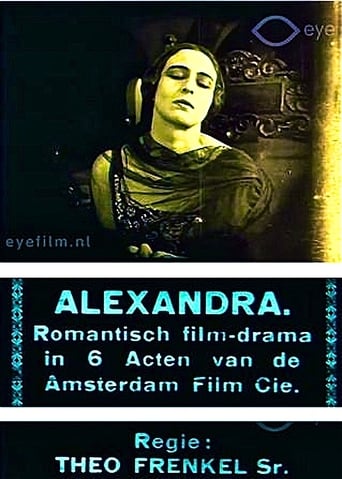
- Appeared in the German silent film Alexandra (1922), one of the few surviving documented credits associated with his screen career.
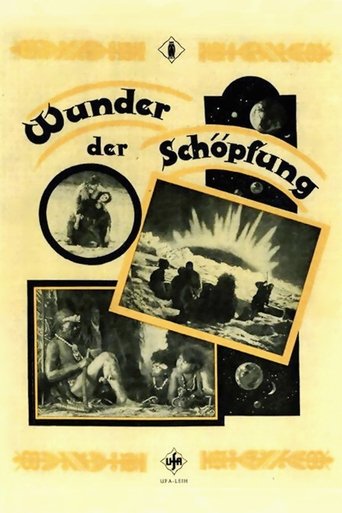
- Featured in Fritz Lang's Our Heavenly Bodies (1925), a notable silent-era German science and cosmology film that linked him to one of the era's most important directors.
- Worked during the internationally influential Weimar period of German cinema, when expressionism, spectacle, and technical experimentation were reshaping world film culture.
- Represents the class of supporting and character performers who were essential to silent productions even when they did not become marquee names.
- His surviving filmography places him among the actors contributing to early 1920s German feature filmmaking, a period of major artistic innovation.
Roles
- Supporting role in Alexandra (1922)
- Supporting role in Our Heavenly Bodies (1925)
Films
- Alexandra (1922)
- Our Heavenly Bodies (1925)
Collaborators
Studios
- German silent film production companies of the Weimar era
Notes
- His name is most commonly encountered in connection with just a small number of silent-film credits, which is typical for many supporting actors of the period.
- He worked during the same era in which German cinema was gaining international prestige through expressionism and large-scale studio productions.
- One of his known credits is Our Heavenly Bodies, a film associated with Fritz Lang and with ambitious visual treatment of astronomy and cosmology.
- Because surviving information is sparse, he is one of many classic-era performers whose public biography is less documented than their film appearances.
- His record underscores how many silent-era actors remain known today primarily through archive-based filmographies rather than personal memoirs or press profiles.
- The spelling of his name with a hyphen can sometimes help distinguish him from similarly named individuals in historical records.
Questions
Who was Willy Kaiser-Heyl?
Willy Kaiser-Heyl was a German actor active in the silent-film era, with known credits in early 1920s productions such as Alexandra and Our Heavenly Bodies. He appears to have been a supporting or character performer rather than a major star, and much of his career is preserved primarily through filmographies.
What films is Willy Kaiser-Heyl best known for?
He is best known for Alexandra (1922) and Our Heavenly Bodies (1925). Those titles are the most visible surviving markers of his career and connect him to important German cinema of the Weimar period.
When was Willy Kaiser-Heyl born and when did he die?
His birth and death dates are not clearly established in the readily available mainstream record. Likewise, his birthplace and death place are not confidently documented in the sources commonly used for classic film reference.
What awards did Willy Kaiser-Heyl win?
No awards or formal honors are currently documented for him in the accessible record. This is not unusual for many silent-era supporting actors, whose careers were recorded more through film credits than through modern award systems.
What was Willy Kaiser-Heyl's acting style?
Specific commentary on his personal acting style has not survived in readily accessible sources. Given the silent-era German films in which he appeared, his performances would have relied on expressive movement, facial communication, and visually clear characterization.
What is Willy Kaiser-Heyl's legacy in film history?
His legacy is as part of the working ensemble of silent German cinema, especially the Weimar-era productions that shaped world film history. Even when an actor is not widely famous, their screen work helps historians understand the casts, production networks, and performance traditions of classic cinema.