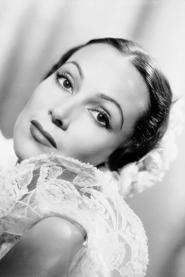
Dolores del Río
Actor
Born: August 3, 1904 in Durango, Mexico Died: April 11, 1983 Active: 1925-1978 Birth Name: María de los Dolores Asúnsolo López-Negrete
Films
3 films

About Dolores del Río
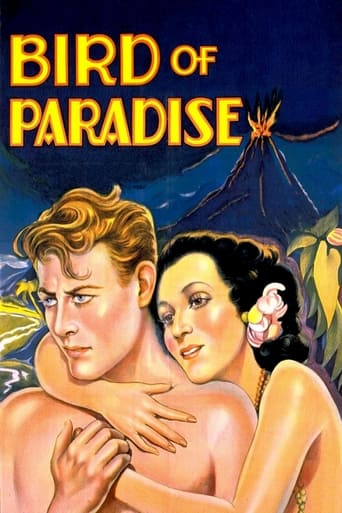
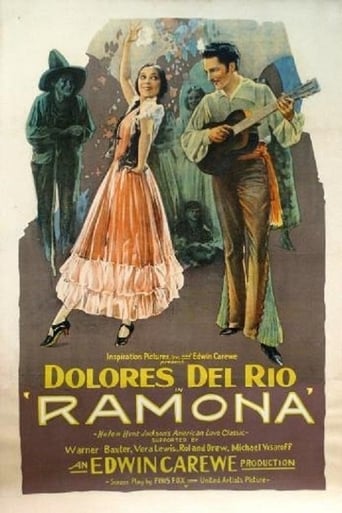
Mexican actress who became stars of both Hollywood's Golden Age and the Golden Age of Mexican cinema. Born into an aristocratic Mexican family, she was discovered while dancing at a party in Mexico City by Hollywood director Edwin Carewe, who launched her international career. She made her Hollywood debut in 1925 and quickly rose to stardom with films like 'What Price Glory' (1926), 'Ramona' (1928), and 'Bird of Paradise' (1932), becoming one of the first Latin American actresses to achieve worldwide fame. Her career in Hollywood declined in the late 1930s, but she made a triumphant return to Mexico, where she starred in Emilio Fernández's 'María Candelaria' (1943), which won the Grand Prix at the Cannes Film Festival. Throughout her five-decade career, she was celebrated for her exotic beauty, natural acting style, and ability to bridge cultural divides between American and Latin American cinema. She continued acting well into her 70s and remained a cultural icon until her death in 1983, remembered not only as a talented performer but also as a fashion and beauty legend.
The Craft
On Screen
Dolores del Río was known for her naturalistic and emotionally nuanced acting style, which was revolutionary for her era. Unlike many silent film stars who relied on exaggerated gestures, she conveyed complex emotions through subtle facial expressions, particularly her famously expressive eyes. Her classical dance training gave her exceptional physical grace and poise, which she incorporated into her performances. She had a remarkable ability to portray both vulnerability and strength, making her characters deeply relatable despite her exotic screen persona. Her transition to sound films was seamless due to her clear diction and ability to deliver dialogue with emotional authenticity.
Milestones
- First major Latin American star in Hollywood
- Successful transition from silent films to talkies
- Triumphant return to Mexican cinema with 'María Candelaria'
- Won Grand Prix at Cannes Film Festival (1946)
- Received Hollywood Walk of Fame star (1960)
- Recipient of Mexico's National Arts Prize
- Pioneered cross-cultural cinema between Hollywood and Latin America
Best Known For
Iconic Roles
Must-See Films
Accolades
Won
- Ariel Award for Best Actress (1946) for 'La Otra'
- Ariel Award for Best Actress (1947) for 'María Candelaria'
- Ariel Award for Best Actress (1951) for 'Doña Bárbara'
- Golden Globe Special Award (1966)
- Diosa de Plata (Silver Goddess) Award
- Cannes Film Festival Grand Prix (1946) for 'María Candelaria'
Nominated
- Academy Award consideration for Best Actress for 'María Candelaria' (submitted by Mexico)
- Multiple Ariel Award nominations throughout her career
- Golden Globe nomination for 'Flaming Star' (1960)
Special Recognition
- Hollywood Walk of Fame star (1960)
- Mexico's National Arts Prize (1975)
- Citizen of Durango
- Lifetime Achievement Award from the Mexican Academy of Film
- International Star Award at the San Sebastián International Film Festival
- Named one of the 50 greatest Mexican actresses of all time by Somos magazine
Working Relationships
Worked Often With
Studios
Why They Matter
Impact on Culture
Dolores del Río fundamentally transformed the representation of Latin American actors in international cinema, breaking down stereotypes and paving the way for future generations. She was one of the first non-white actresses to achieve leading lady status in Hollywood, challenging the industry's racial barriers and proving that international stars could succeed without abandoning their cultural identity. Her success during both the silent and sound eras demonstrated that talent transcended language barriers. In Mexico, her return from Hollywood helped legitimize Mexican cinema on the world stage, particularly with the international success of 'María Candelaria.' She became a cultural ambassador between the United States and Mexico, using her fame to promote better understanding between the two countries. Her influence extended beyond film into fashion and beauty standards, with her distinctive style becoming synonymous with Latin American elegance.
Lasting Legacy
Dolores del Río's legacy endures as one of cinema's most figures, remembered for her extraordinary talent, timeless beauty, and cultural significance. She established a template for international stardom that many actors would follow, proving that one could achieve success in Hollywood while maintaining cultural authenticity. Her films continue to be studied and celebrated, with 'María Candelaria' often cited as one of the greatest achievements in Mexican cinema history. The Dolores del Río Cultural Center in Durango stands as proof of her enduring impact on Mexican culture. She is frequently referenced in discussions about diversity in Hollywood, with many contemporary Latino actors citing her as an inspiration. Her ability to reinvent herself multiple times throughout her career—from silent film star to talkies, from Hollywood to Mexican cinema, from leading lady to character actress—demonstrates remarkable artistic versatility that continues to inspire performers today.
Who They Inspired
Dolores del Río's influence on cinema and culture extends far beyond her filmography. She pioneered a natural acting style that influenced generations of performers, particularly in Latin American cinema where her subtle, emotionally authentic approach became the gold standard. Her success opened doors for other Latin American actors in Hollywood, including Rita Hayworth, Katy Jurado, and later Salma Hayek and Penélope Cruz. In Mexican cinema, she helped establish the archetype of the strong, complex female protagonist that would define the Golden Age of Mexican film. Her fashion sense and beauty standards influenced designers and photographers worldwide, helping to popularize Latin American aesthetics in international fashion. She also influenced the way Hollywood approached international casting, proving that foreign stars could carry major productions without completely assimilating into American culture.
Off Screen
Dolores del Río led a glamorous and often dramatic personal life that mirrored her cinematic roles. She was born into one of Mexico's most aristocratic families, with her father being a director at the Bank of Mexico and her mother coming from Spanish nobility. Her first marriage to Jaime Martínez del Río ended tragically when he died of appendicitis shortly after they moved to Hollywood. Her second marriage to MGM art director Cedric Gibbons was one of Hollywood's most high-profile unions, and Gibbons famously designed the Oscar trophy during their marriage. After their divorce, she had a long-term relationship with Mexican director Emilio Fernández, who cast her in her most famous Mexican films. Despite her fame, she was known for her humility and dedication to charitable causes, particularly those supporting Mexican artists and children.
Education
Educated at the Liceo Franco-Mexicano in Mexico City and studied art in France and England before pursuing acting
Family
- Jaime Martínez del Río (1921-1928)
- Cedric Gibbons (1930-1941)
Did You Know?
- Was discovered while dancing the tango at a high-society party in Mexico City
- Her second husband, Cedric Gibbons, designed the Academy Award Oscar statue
- Was a cousin of fellow Mexican actress Andrea Palma
- Spoke fluent Spanish, English, and French, which helped her international career
- Her beauty was so renowned that she was called 'The Mexican Venus' by the press
- Was close friends with Marlene Dietrich and they often vacationed together
- Turned down the lead role in 'Camille' (1936) which went to Greta Garbo
- Her 1932 film 'Bird of Paradise' included one of the first nude scenes in mainstream Hollywood cinema
- Was one of the first stars to successfully return to her native country's film industry after Hollywood fame
- Her home in Hollywood was designed by architect Richard Neutra and became a famous gathering place for artists and intellectuals
- Appeared on the cover of Life magazine three times, more than any other Latin American actress of her era
- Was offered Mexican citizenship in the U.S. But proudly maintained her Mexican nationality throughout her life
In Their Own Words
Beauty is a gift, but it's not enough. You need talent and hard work to survive in this business.
I have always tried to be a good actress, not just a beautiful face. The face fades, but the art remains.
Cinema has no borders. A good story, well told, speaks to everyone regardless of language.
When I returned to Mexico, I didn't come back as a failure. I came back to give my country the best of what I had learned.
Success in Hollywood taught me that I could compete with the best in the world, but my heart always remained Mexican.
Frequently Asked Questions
Who was Dolores del Río?
Mexican actress who became one of the first Latin American stars to achieve international fame in both Hollywood and Mexican cinema. She was active from the 1920s through the 1970s and is remembered for her beauty, talent, and cultural impact.
What films is Dolores del Río best known for?
Titles linked here include What Price Glory (1926), Ramona (1928).
When was Dolores del Río born and when did she die?
Born August 3, 1904; died April 11, 1983.
What awards did Dolores del Río win?
She won multiple Ariel Awards for Best Actress, the Cannes Film Festival Grand Prix for 'María Candelaria', a Golden Globe Special Award, and received a star on the Hollywood Walk of Fame.
What was Dolores del Río's acting style?
She was known for her naturalistic acting style, emotional depth, and ability to convey complex emotions through subtle expressions, which was revolutionary compared to the exaggerated acting common in silent films.
How did Dolores del Río influence cinema?
She broke racial barriers in Hollywood, paved the way for Latin American actors internationally, helped establish the Golden Age of Mexican cinema, and proved that actors could maintain cultural identity while achieving global success.
Was Dolores del Río married?
Yes, she was married twice: first to Jaime Martínez del Río from 1921-1928, and then to MGM art director Cedric Gibbons from 1930-1941, who designed the Oscar trophy.