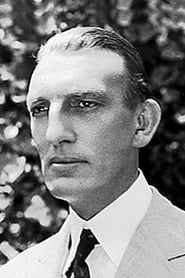
Charles Brabin
Director
Born: April 4, 1883 in Liverpool, England Died: February 3, 1957 Active: 1913-1926 Birth Name: Charles J. Brabin
Films
6 films
About Charles Brabin
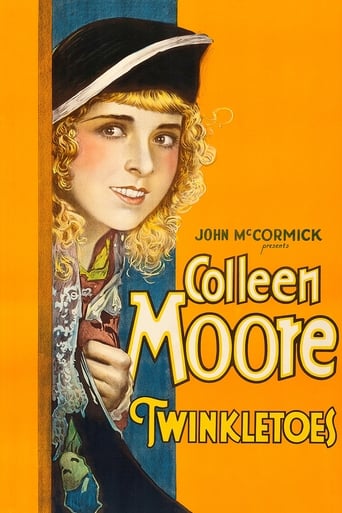
Motion-picture director: career began in the earliest years of American cinema and extended through the silent era into the early sound period. Born in Liverpool, England, he came to the United States and became active in film production by the 1910s, directing for major studios during a formative period when filmmaking language was still being invented. Brabin is especially associated with compact, melodramatic, and often atmospheric silent features and serial-era storytelling, and he was one of the many important craftsmen who helped establish the industrial and narrative standards of Hollywood before the talkies fully took hold. His career included work for companies such as Vitagraph and Metro, and he directed a wide range of material, from adventure and melodrama to prestige dramas. He is also remembered in film history as the husband of silent star Theda Bara, a connection that made him a notable figure in the culture of early Hollywood beyond his own directing credits. By the mid-1920s, Brabin was still active enough to direct larger productions such as Twinkletoes (1926), but his directing career effectively ended in the transition period before sound cinema matured. Today he is chiefly valued by historians as a significant but somewhat under-remembered director from the silent era whose work contributed to the visual and narrative development of American film.
The Craft
Behind the Camera
Brabin's directing style is best understood in the context of early silent cinema: efficient, visually legible, and oriented toward strong dramatic situations that could be communicated without dialogue. His films were typically staged to emphasize mood, plot clarity, and emotional intensity, with a practical craftsmanship that was essential in the rapidly evolving silent era. He worked during a period when directors relied heavily on expressive composition, performance, and intertitles, and his productions generally reflect the conventions of melodrama and prestige silent features rather than highly stylized auteur experimentation. Surviving historical references place him among the solid professional directors of the era rather than among the most flamboyant innovators, but that very reliability made him important to studio production.
Milestones
- Established himself as a director during the formative years of American silent cinema, beginning work in 1913
- Directed early features and serial-era productions for major silent-era companies including Vitagraph and Metro
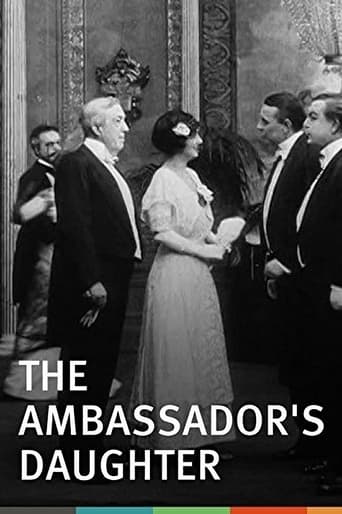
- Helmed The Ambassador's Daughter (1913), an early example of his work from the initial stage of his directing career
- Directed Twinkletoes (1926), a late silent-era feature that reflects his continued relevance into the mid-1920s
- Was married to silent screen icon Theda Bara, placing him among the notable personal circles of early Hollywood
- Contributed to the visual and industrial development of silent-film directing through a long stretch of the medium's most experimental period
Best Known For
Must-See Films
Working Relationships
Worked Often With
Studios
Why They Matter
Impact on Culture
Charles Brabin's cultural impact lies less in celebrity than in his role as one of the working directors who helped shape the grammar of silent film during its crucial early decades. Directors like Brabin were central to the standardization of feature-length storytelling, the use of visual continuity, and the adaptation of stage and literary material into screen drama. His career also reflects the importance of the studio system's many dependable craftspeople, whose work made it possible for American cinema to expand from novelty entertainment into a dominant popular art form. His marriage to Theda Bara has also kept him visible in the broader mythology of early Hollywood, where personal relationships often became part of a star's public legend.
Lasting Legacy
Brabin's lasting legacy is that of a capable and historically important silent-era director whose career spans the years when Hollywood was defining itself. Although he is not among the most frequently screened or discussed directors of the era, his work belongs to the generation that established the conventions later filmmakers would inherit. He remains of interest to historians because he operated across a crucial transitional period, from early one-reel and feature experimentation in the 1910s to the more polished productions of the 1920s. His name endures especially in connection with Theda Bara and with the broad history of studio-era silent filmmaking.
Who They Inspired
Brabin influenced the silent-era screen through professional example rather than through a strongly identifiable personal school of style. As with many directors of his generation, his greatest influence was in helping normalize the visual storytelling methods that later directors would refine: clear staging, emotional emphasis, and narrative coherence in the absence of synchronized dialogue. His career demonstrates the collaborative and cumulative nature of early filmmaking, where practical directors like Brabin helped create the conditions for later artistic breakthroughs. He also occupies a small but meaningful place in the history of Hollywood biography through his relationship with Theda Bara, which keeps interest in his life and work alive among silent-film scholars.
Off Screen
Charles Brabin was closely connected to one of silent cinema's most famous stars through his marriage to Theda Bara, an association that has ensured his name remains present in film histories even apart from his directing work. Like many figures of the silent era, details of his private life are less thoroughly documented than those of later Hollywood personalities, but the marriage is the best-known aspect of his personal history. He belonged to the international flow of talent that moved into American filmmaking in the early twentieth century, reflecting the cosmopolitan character of the industry in its formative years. Beyond his marriage, comparatively little is widely cited in standard references about his family life, and he is primarily remembered for his professional output and his link to Bara.
Education
No reliably documented formal education is widely cited in standard film references; like many early film directors, he appears to have entered the industry through practical experience rather than through a publicly recorded academic pathway.
Family
- Theda Bara (1921-1955)
Did You Know?
- He was born in Liverpool, England, but built his film career in the United States.
- He worked during the earliest years of feature filmmaking, beginning in 1913.
- He was married to silent film superstar Theda Bara,.
- His career spans the transition from early silent one-reelers and features to the more polished silent productions of the 1920s.
- He directed Twinkletoes in 1926, near the end of his active directing period.
- He is a representative example of the many studio-era directors whose names are less famous than the stars they worked with, but whose craftsmanship was essential to early Hollywood.
- Because much early film documentation has been lost, parts of his career are reconstructed from surviving credits and historical reference sources.
- He is sometimes remembered more by historians of Theda Bara than by general audiences, which has helped preserve his name in silent-film scholarship.
Frequently Asked Questions
Who was Charles Brabin?
British-born American on YTB.my. He worked during the formative years of Hollywood and helped shape early feature filmmaking through his studio assignments and melodramatic productions.
What films is Charles Brabin best known for?
Titles linked here include The Ambassador's Daughter (1913), Twinkletoes (1926).
When was Charles Brabin born and when did he die?
Born April 4, 1883; died February 3, 1957.
What awards did Charles Brabin win?
No major awards or formal honors are prominently documented for Charles Brabin in the standard references commonly used for silent-era film history. His significance comes primarily from his directing career and his place in early Hollywood history rather than from award recognition.
What was Charles Brabin's directing style?
His directing style was characteristic of early silent cinema: clear, efficient, and focused on visual storytelling, dramatic emphasis, and narrative clarity. Like many directors of his era, he worked within the conventions of melodrama and studio production rather than cultivating a heavily personalized modern auteur style.
What is Charles Brabin's legacy in film history?
Brabin's legacy is that of an important working director from the silent era whose films helped establish the craft of American screen storytelling. He is also remembered as the husband of Theda Bara, which has helped keep his name visible in discussions of early Hollywood.