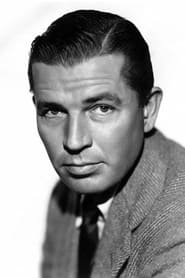
Bruce Cabot
Actor
Born: April 20, 1904 in Carlsbad, New Mexico, USA Died: May 3, 1972 Active: 1931-1972 Birth Name: Étienne de Pelissier Bujac
Films
3 films
About Bruce Cabot
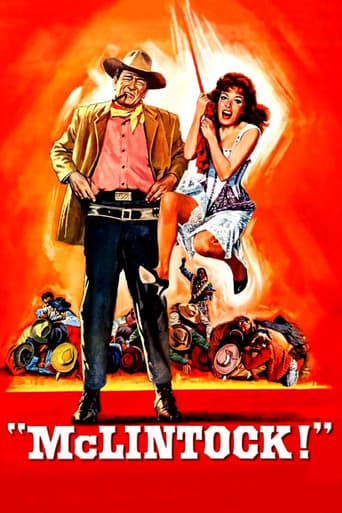
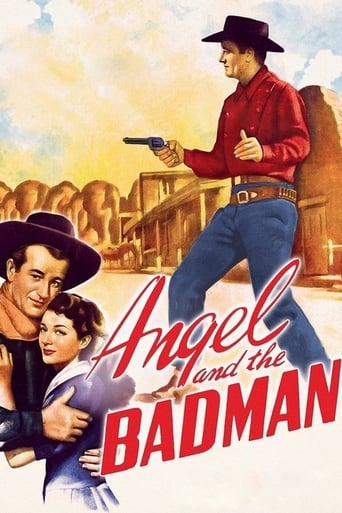
Bruce Cabot, born Étienne de Pelissier Bujac, was a durable character actor whose Hollywood over four decades, beginning in the early 1930s. He rose to prominence with his breakthrough role as Jack Driscoll in the original King Kong (1933), establishing himself as a reliable leading man and supporting actor. During World War II, Cabot served with distinction in the Army Air Corps, earning the Flying Cross for his service as a bomber pilot. After the war, he successfully transitioned into character roles, often playing villains or tough sidekicks, particularly in Westerns. He became a frequent collaborator with John Wayne, appearing in seven of the Duke's films including Angel and the Badman (1947) and McLintock! (1963). Cabot's rugged demeanor and commanding presence made him a staple of adventure films and Westerns throughout the 1950s and 1960s. He continued acting until his death from cancer in 1972, leaving behind a legacy of over 100 film appearances that showcased his versatility and reliability as a character actor.
The Craft
On Screen
Cabot was known for his rugged, masculine presence and naturalistic acting style that suited adventure films and Westerns. He possessed a commanding screen presence with a deep, resonant voice that made him effective as both heroes and villains. His acting was straightforward and unpretentious, often playing tough, no-nonsense characters with an underlying sense of honor. Cabot had particular skill in physical roles and action sequences, bringing authenticity to fight scenes and dangerous situations. His later character work showed remarkable range, from menacing villains to loyal friends, always maintaining a believable and grounded performance.
Milestones
- Breakthrough role as Jack Driscoll in King Kong (1933)
- Military service in Army Air Corps during WWII earning Flying Cross
- Transition to character actor in post-war films
- Frequent collaboration with John Wayne in 7 films
- Over 100 film appearances in 40-year career
- Leading roles at RKO Pictures in the 1930s
- Successful transition to television in the 1950s
Best Known For
Iconic Roles
Must-See Films
Accolades
Won
- Flying Cross (World War II military decoration)
- Air Medal with Oak Leaf Clusters (military decoration)
Special Recognition
- Hollywood Walk of Fame star (located at 1560 Vine Street)
- Veteran of Foreign Wars membership for WWII service
Working Relationships
Worked Often With
Studios
Why They Matter
Impact on Culture
Bruce Cabot's impact on classic cinema is most significantly felt through his iconic role in King Kong, which became. His portrayal of Jack Driscoll helped establish the archetype of the heroic adventurer in monster and adventure films. Cabot's extensive work in Westerns contributed to the genre's golden age, particularly through his collaborations with John Wayne, which helped define the classic Western formula. His military service and subsequent return to acting demonstrated the patriotism and dedication of Hollywood's greatest generation. Cabot represented the transition from leading man to character actor, showing how actors could maintain successful careers by adapting to changing industry demands and aging gracefully on screen.
Lasting Legacy
Bruce Cabot left a lasting legacy as one of Hollywood's most reliable and versatile character actors. His performance in King Kong remains an integral part of film history, frequently referenced and celebrated in cinema retrospectives. The seven films he made with John Wayne are considered classics of the Western genre and continue to be studied by film scholars. Cabot's career trajectory from leading man to respected character actor provided a model for longevity in Hollywood, demonstrating how actors could successfully evolve their screen personas. His military service and decorations also serve as a reminder of Hollywood's contribution to the war effort. Today, film historians and classic cinema enthusiasts recognize Cabot as an essential figure in the golden age of Hollywood, whose work helped define the adventure and Western genres.
Who They Inspired
Bruce Cabot influenced subsequent generations of character actors, particularly those specializing in adventure films and Westerns. His naturalistic approach to physical roles and action sequences set a standard for authenticity in genre filmmaking. Many actors who followed in Westerns and adventure films emulated his straightforward, unpretentious style of acting. His successful transition from leading man to character actor provided a blueprint for career longevity in Hollywood. Cabot's work with John Wayne helped establish the chemistry and dynamics that would define many later Western partnerships. His ability to play both heroes and villains effectively demonstrated the range available to character actors, expanding the possibilities for those in supporting roles.
Off Screen
Bruce Cabot had a colorful personal life marked by three marriages and his military service. He married his first wife, actress Adrienne Ames, in 1936, but the marriage ended in divorce in 1942. His second marriage to Frances Folsom in 1944 also ended in divorce. In 1955, he married his third wife, Dolores, who remained with him until his death. During World War II, Cabot put his acting career on hold to serve as a pilot in the Army Air Corps, flying dangerous bombing missions over Europe. He was known among his Hollywood peers for his loyalty, professionalism, and sense of humor. Cabot was also an avid outdoorsman and horseman, skills that served him well in his many Western roles.
Education
Attended Los Angeles High School, briefly studied at the University of California, Los Angeles before dropping out to pursue acting
Family
- Adrienne Ames (1936-1942)
- Frances Folsom (1944-1954)
- Dolores (1955-1972)
Did You Know?
- Was originally a petroleum engineer before becoming an actor
- Changed his name from Étienne de Pelissier Bujac to Bruce Cabot at the suggestion of a studio executive
- Was discovered while working as a gas station attendant
- Flew 33 combat missions during WWII as a B-24 bomber pilot
- Was one of the first actors to sign with RKO Pictures when the studio was founded
- His role in King Kong was originally intended for Joel McCrea
- Appeared in the first film version of King Kong and the 1976 remake (in a small role)
- Was an accomplished horseman and did most of his own stunts in Westerns
- Was a close friend of John Wayne off-screen as well as a frequent co-star
- His final film appearance was in The Great Bank Robbery (1969)
In Their Own Words
In King Kong: 'And I thought you were supposed to be some kind of navigator.'
On his military service: 'Flying those missions was the most important work I ever did, more important than any movie I ever made.'
On working with John Wayne: 'The Duke was a pro's pro. He knew exactly what he wanted and how to get it from everyone around him.'
On King Kong's success: 'We knew we had something special, but none of us imagined it would still be talked about fifty years later.'
Frequently Asked Questions
Who was Bruce Cabot?
American character with credits in this catalog. He appeared in over 100 films during his four-decade career, transitioning from leading man to respected character actor.
What films is Bruce Cabot best known for?
Titles linked here include King Kong (1933), Angel and the Badman (1947).
When was Bruce Cabot born and when did he die?
Born April 20, 1904; died May 3, 1972.
What awards did Bruce Cabot win?
While Cabot didn't receive major acting awards, he was awarded the Flying Cross and Air Medal with Oak Leaf Clusters for his heroic service as a bomber pilot during World War II. He also received a star on the Hollywood Walk of Fame.
What was Bruce Cabot's acting style?
Cabot was known for his rugged, naturalistic acting style with a commanding screen presence and deep voice. He excelled in physical roles and action sequences, bringing authenticity to adventure films and Westerns with his straightforward, unpretentious approach to character portrayal.
Did Bruce Cabot serve in the military?
Yes, Cabot served with distinction in the Army Air Corps during World War II, flying 33 combat missions as a B-24 bomber pilot and earning the Flying Cross for his heroic service.
How many films did Bruce Cabot make with John Wayne?
Bruce Cabot appeared in seven films with John Wayne, including Angel and the Badman (1947), The Quiet Man (1952), Big Jake (1971), and McLintock! (1963), establishing one of Hollywood's most reliable supporting actor partnerships.