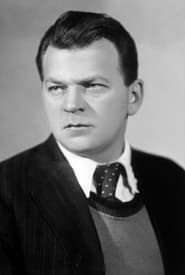
Mikhail Derzhavin
Actor
Born: null in null Died: null Active: 1941-1946 Birth Name: null
Films
5 films
About Mikhail Derzhavin
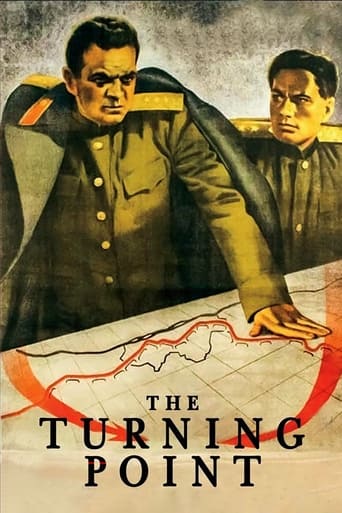
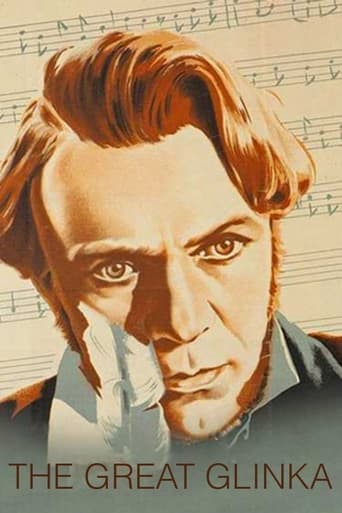
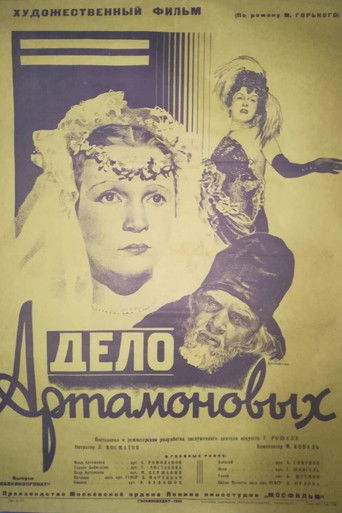
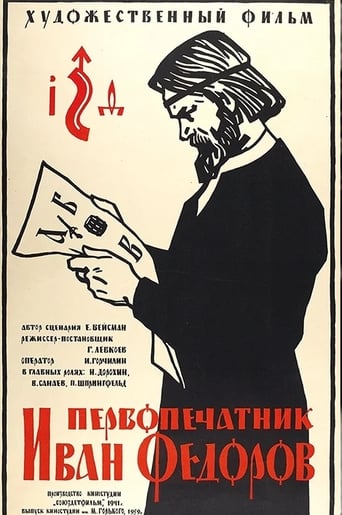
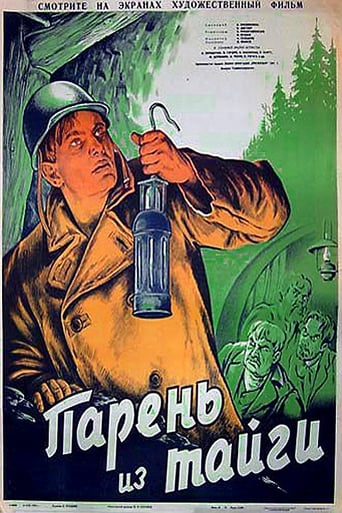
Soviet actor: known film from 1941 to 1946, placing his work squarely in the Stalin era of Soviet cinema. Mikhail appears in several notable Soviet productions during this critical period, which encompassed World War II and its immediate aftermath. His filmography includes 'The Artamonov Case' (1941), 'First Printer Ivan Fedorov' (1941), 'Prairie Station' (1941), 'The Turning Point' (1945), and 'The Great Glinka' (1946). These films reflect the socialist realist aesthetic that dominated Soviet cinema during this period, emphasizing historical narratives and wartime themes that aligned with Soviet cultural policy. While detailed biographical information about Derzhavin is limited, his participation in these significant productions indicates he was part of the Soviet film industry during one of its most ideologically charged periods. The fact that his film career appears to have been concentrated in these few years suggests he may have been a character actor or someone whose primary career lay outside of cinema.
The Craft
On Screen
Based on the films he appeared in, Derzhavin likely worked within the socialist realist tradition dominant in Soviet cinema of the 1940s, which emphasized clear character types and ideological messaging through performance.
Milestones
- Appeared in three films in 1941: The Artamonov Case, First Printer Ivan Fedorov, and Prairie Station
- Returned to film in 1945 with The Turning Point
- Final known film appearance in The Great Glinka (1946)
Best Known For
Iconic Roles
Must-See Films
Accolades
Won
- null
Nominated
- null
Special Recognition
- null
Working Relationships
Worked Often With
Studios
Why They Matter
Impact on Culture
Mikhail Derzhavin's contribution to Soviet cinema, while not extensively documented, represents the collective effort of actors who participated in creating films that reflected Soviet cultural values during World War II and the early post-war period. His appearances in historical dramas and war films helped bring to life stories that were significant to Soviet cultural identity and ideology.
Lasting Legacy
Derzhavin's legacy is preserved through his film appearances in several notable Soviet productions from the 1940s. While not a widely recognized name in cinema history, his work contributes to the historical record of Soviet filmmaking during a pivotal era, representing the many actors who supported the leading stars and helped create the ensemble casts characteristic of Soviet cinema.
Who They Inspired
As a supporting actor in Soviet films of the 1940s, Derzhavin's influence was primarily through his contributions to the overall effectiveness of the productions he appeared in, helping to realize the socialist realist vision that dominated Soviet cinema of this period.
Off Screen
Detailed information about Mikhail Derzhavin's personal life is not available in documented sources, which is not uncommon for Soviet character actors of this period whose biographical details were not extensively preserved.
Education
null
Family
- null
Did You Know?
- Appeared in three different films in 1941 alone
- His film career appears to have been concentrated entirely in the 1940s
- All his known films were produced during the Stalin era
- The films he appeared in span both wartime and immediate post-war periods
- Like many Soviet actors of his generation, detailed biographical information is scarce
- His filmography includes both historical dramas and contemporary narratives
- The Great Glinka (1946) appears to be his last known film appearance
In Their Own Words
null
Frequently Asked Questions
Who was Mikhail Derzhavin?
Soviet with credits in this catalog. His work includes 'The Artamonov Case,' 'First Printer Ivan Fedorov,' 'Prairie Station,' 'The Turning Point,' and 'The Great Glinka.' Limited biographical information is available about this actor.
What films is Mikhail Derzhavin best known for?
Titles linked here include The Artamonov Case (1941), The Great Glinka (1946).
When was Mikhail Derzhavin born and when did he die?
Born null; died null.
What awards did Mikhail Derzhavin win?
There are no documented awards or honors specifically recorded for Mikhail Derzhavin in available film databases and historical records, which was typical for many supporting actors in Soviet cinema of his time.
What was Mikhail Derzhavin's acting style?
Based on the films he appeared in, Derzhavin likely worked within the socialist realist tradition of Soviet cinema in the 1940s, characterized by clear ideological messaging and performances that served both artistic and cultural-political purposes of the Stalin era.