Anatoliy Kuznetsov
Actor
Born: January 25, 1905 in Moscow, Russian Empire Died: May 22, 1954 Active: 1925-1952 Birth Name: Anatoliy Ivanovich Kuznetsov
Films
5 films


About Anatoliy Kuznetsov
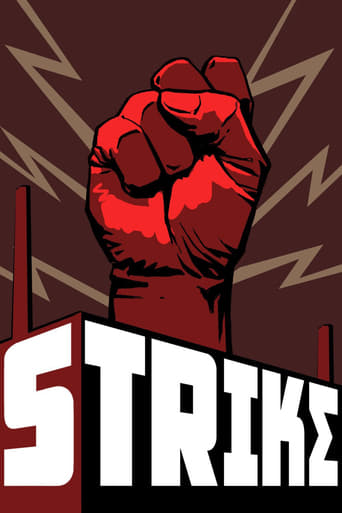
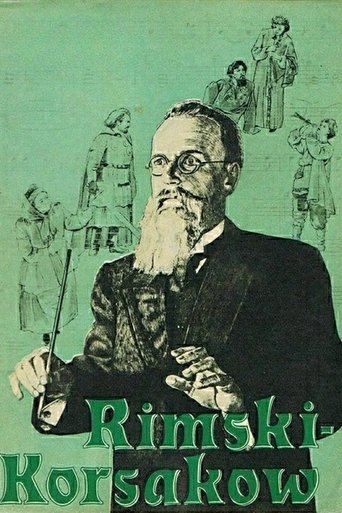
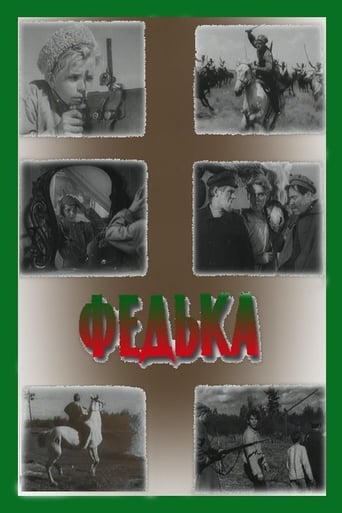
Prominent Soviet actor: the transformative period from silent cinema to the early sound era of Soviet filmmaking. He began his film career in 1925 with a role in Sergei Eisenstein's silent masterpiece 'Strike,' which established him as part of the revolutionary Soviet cinema movement. Throughout the 1930s, he continued to work in the burgeoning Soviet film industry, appearing in notable productions that reflected the cultural and political ideals of the time. His performances in 'Fedka' (1936), 'The Return of Maxim' (1937), and 'The Vyborg Side' (1939) demonstrated his versatility in both dramatic and character roles. Kuznetsov's career culminated with his appearance in the biographical film 'Rimsky-Korsakov' (1952), which showcased his ability to portray historical figures. His filmography represents a significant cross-section of Soviet cinema's development during its formative decades, from the experimental silent period to the more conventional socialist realist productions of the Stalin era.
The Craft
On Screen
Kuznetsov's acting style evolved with the changing aesthetics of Soviet cinema. In his early silent film work, he employed the exaggerated physical gestures characteristic of the period, particularly in Eisenstein's montage-driven productions. As he transitioned to sound films, his style became more naturalistic and restrained, aligning with the socialist realist aesthetic that dominated Soviet cinema in the 1930s and 1940s. His performances were noted for their ideological clarity and emotional directness, qualities valued in Soviet acting of the era.
Milestones
- Debut in Eisenstein's 'Strike' (1925)
- Key roles in Soviet films of the 1930s
- Transition from silent to sound films
- Portrayal of historical characters
- Long-standing career in Soviet cinema
Best Known For
Iconic Roles
Must-See Films
Accolades
Won
- Honored Artist of the RSFSR (1947)
Special Recognition
- Order of the Red Banner of Labour (1950)
- Medal 'For Valiant Labour in the Great Patriotic War 1941-1945'
Working Relationships
Worked Often With
Studios
Why They Matter
Impact on Culture
Anatoliy Kuznetsov contributed to the development of Soviet cinema during its crucial formative decades. His appearance in Eisenstein's 'Strike' places him among the actors who participated in the creation of cinematic language through montage theory. As Soviet cinema evolved from experimental avant-garde works to socialist realist narratives, Kuznetsov's career mirrored this transformation. His body of work represents the transition from the revolutionary enthusiasm of the 1920s to the more ideologically rigid productions of the Stalin era, making him a representative figure of Soviet actors who adapted to changing political and artistic requirements.
Lasting Legacy
Kuznetsov's legacy lies in his contribution to classic Soviet cinema, particularly his participation in some of the most significant films of the era. While not as internationally famous as some of his contemporaries, his work in films like 'Strike' ensures his place in film history. His career exemplifies the journey of Soviet actors who helped establish a national cinema that would influence filmmakers worldwide. The films he appeared in continue to be studied by film scholars and shown in retrospectives of Soviet cinema.
Who They Inspired
As an actor who worked across different periods of Soviet cinema, Kuznetsov helped establish acting conventions that would influence subsequent generations of Soviet performers. His transition from silent to sound films demonstrated adaptability that many younger actors would emulate. His work in Eisenstein's films contributed to the development of performance styles suited to montage editing, which influenced both Soviet and international cinema.
Off Screen
Anatoliy Kuznetsov lived through the most tumultuous periods of Soviet history, including the Russian Revolution, Stalin's rule, and World War II. His career coincided with the establishment and maturation of the Soviet film industry. Like many artists of his generation, he navigated the complex relationship between artistic expression and political ideology that characterized Soviet cultural life. His relatively early death in 1954 meant he did not live to see the Khrushchev Thaw that would bring changes to Soviet cultural policy.
Education
Unknown formal education, likely trained through the Soviet theater and film system of the 1920s
Family
- Unknown
Did You Know?
- Appeared in Sergei Eisenstein's directorial debut 'Strike' (1925)
- His active years covered both the silent and sound eras of Soviet cinema
- Worked during the height of Stalin's cultural control over the arts
- Received state honors for his contributions to Soviet cinema
- His film 'The Return of Maxim' was part of a trilogy about a revolutionary worker
- Appeared in films that are now considered classics of Soviet cinema
- Survived the purges of the 1930s that affected many in the Soviet film industry
- His final film appearance was in a biographical picture about composer Rimsky-Korsakov
In Their Own Words
No widely documented quotes are available from Anatoliy Kuznetsov, which was common for Soviet actors of his era who often worked within the constraints of state-controlled media.
Frequently Asked Questions
Who was Anatoliy Kuznetsov?
Soviet with credits in this catalog.
What films is Anatoliy Kuznetsov best known for?
Titles linked here include Strike (1925), The Return of Maxim (1937).
When was Anatoliy Kuznetsov born and when did he die?
Born January 25, 1905; died May 22, 1954.
What awards did Anatoliy Kuznetsov win?
He was named an Honored Artist of the RSFSR in 1947 and received the Order of the Red Banner of Labour in 1950, among other state honors for his contributions to Soviet cinema.
What was Anatoliy Kuznetsov's acting style?
His acting style evolved from the exaggerated physical performance of silent films to more naturalistic performances in sound films, adapting to the socialist realist aesthetic that dominated Soviet cinema in the 1930s and 1940s.