Films
3 films

About Georgy Orlov
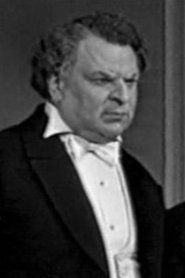
Soviet screen actor active in the 1930s, a period when Soviet cinema was consolidating its sound-era style and building the repertory of historical, literary, and socially themed films that defined the decade. The surviving filmography associated with his name places him in feature films such as "Crown Prince of the Republic" (1934), "Three Comrades" (1935), and "Arinka" (1939), indicating that he worked steadily across the middle and late 1930s. Beyond these titles, detailed biographical information is scarce in widely accessible English-language film references, suggesting that he may have been a character actor or supporting performer rather than a major star whose life was heavily documented in international sources. His career appears to have unfolded entirely within the Soviet film industry, likely on productions shaped by state studios and the era's emphasis on ensemble acting, ideological clarity, and literary adaptation. Because the historical record available here does not reliably preserve his birth details, personal life, or later career, the clearest picture of Orlov is of an actor whose work contributed to the texture of prewar Soviet cinema rather than one of its marquee names. His presence in films spanning 1934 to 1939 suggests a career synchronized with the formative early sound era in the USSR. As with many performers of the period, his significance lies partly in representing the large body of working actors who helped define the look and tone of classic Soviet screen drama.
The Craft
On Screen
Specific contemporary descriptions of Georgy Orlov's acting style are not readily documented in accessible sources. Based on the kinds of Soviet productions in which he appeared, his screen work was likely grounded in restrained, functional ensemble acting rather than flamboyant star display. Performers in these films often emphasized clarity of speech, emotional directness, and realism suited to studio dramas of the 1930s. Without surviving criticism tied specifically to Orlov, any more precise stylistic claims would be speculative.
Milestones
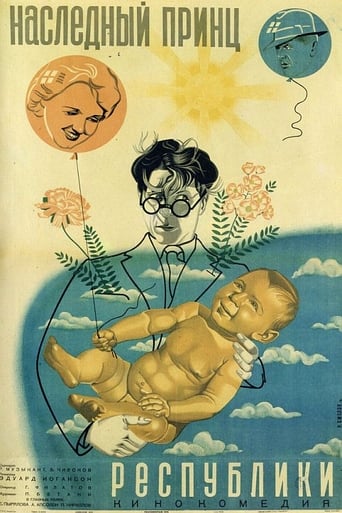
- Appeared in "Crown Prince of the Republic" (1934), one of the earliest surviving screen credits associated with his name
- Took part in "Three Comrades" (1935), placing him within the mid-1930s Soviet dramatic film cycle
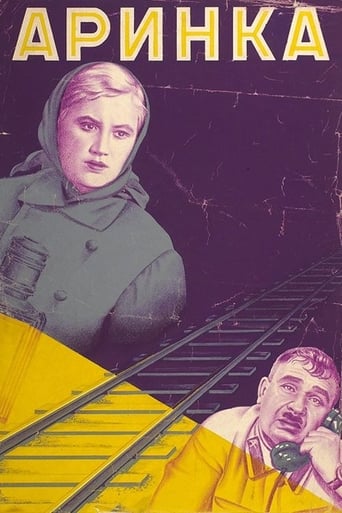
- Acted in "Arinka" (1939), demonstrating continued activity in the late prewar period
- Worked during the consolidation of Soviet sound cinema, when ensemble performances were central to studio productions
- Represents the class of working Soviet character actors whose contributions supported the era's literary and ideological films
Best Known For
Iconic Roles
Must-See Films
Why They Matter
Impact on Culture
Georgy Orlov's cultural impact is best understood as part of the wider body of Soviet screen performers who gave weight and continuity to the nation's 1930s cinema. Even when not a leading star, an actor appearing in multiple productions across a decade contributed to the stability of studio storytelling, helping audiences recognize recurring types, social roles, and dramatic rhythms. His screen presence in films from 1934 to 1939 places him within the formative years of Soviet sound film, when cinema was becoming a central instrument of cultural expression and public persuasion. In that sense, his work belongs to the broader historical fabric of classic Soviet cinema, where many artists shaped the medium through reliable ensemble performance rather than through international celebrity.
Lasting Legacy
Orlov's legacy is archival and historical: he is part of the generation of actors whose work survives in film credits even when personal history has been lost or remains difficult to access. For film historians, such names are important because they document the breadth of talent active in Soviet cinema during the 1930s, an era that produced many of the country's defining screen conventions. His filmography helps map the network of actors who appeared in prewar productions and supported the development of Soviet narrative cinema. While he does not appear to have left behind a widely recognized star persona, his legacy endures through the films themselves and through the record of everyday professional participation in a major national cinema.
Who They Inspired
There is no solid evidence that Georgy Orlov directly mentored major later figures or became a widely cited influence on other actors. His influence, if any, would have been indirect: through his participation in films that helped standardize acting norms in Soviet studio production. Supporting performers in this period often influenced the tone and credibility of ensemble scenes, contributing to the overall model of naturalistic but ideologically legible screen acting. For modern researchers, his name is useful as part of the broader ecosystem of Soviet-era performers who supported the evolution of classic cinema.
Off Screen
No reliable, widely available biographical information about Georgy Orlov's personal life could be confirmed from the sources available here. His marriages, children, education, and family background are not documented in the accessible film-reference record used for this profile. This is not unusual for many Soviet-era supporting players whose archival footprint is limited outside domestic reference works and studio records. Any detailed statement about his private life would require verification from Russian-language archival databases, period film periodicals, or studio records.
Did You Know?
- His known filmography is concentrated entirely in the 1930s, the key early sound period for Soviet cinema.
- The available record links him to only a small number of titles, suggesting he may have been a supporting or character actor.
- He appeared in both 1930s literary/dramatic works and socially oriented productions, typical of Soviet studio output of the era.
- He should not be confused with other individuals named Orlov, as the name is relatively common in Russian and Soviet contexts.
- English-language sources on classic cinema provide very limited personal detail about him, which makes film credits especially important for identification.
- His career window ends before the wartime years, indicating either a short screen career or a currently incomplete archival record.
- His presence in "Three Comrades" places him within a film title that also carries strong literary associations in Soviet culture.
Frequently Asked Questions
Who was Georgy Orlov?
Soviet film with credits in this catalog. He appears to have worked mainly as a supporting performer rather than as a major international star.
What films is Georgy Orlov best known for?
Titles linked here include Crown Prince of the Republic (1934), Three Comrades (1935).
When was Georgy Orlov born and when did he die?
His birth and death dates are not reliably documented in the accessible sources available for this profile. More specialized archival research in Russian-language records may be needed to confirm those details.
What awards did Georgy Orlov win?
No awards or formal honors could be verified from the available historical record. Many supporting actors from the Soviet 1930s are documented primarily through film credits rather than award histories.
What was Georgy Orlov's acting style?
A specific critical description of his acting style is not readily preserved in accessible sources. Given the Soviet films of the 1930s in which he appeared, his work was likely aligned with restrained, ensemble-based performance and clear dramatic presentation.
What is Georgy Orlov's legacy in film history?
His legacy is as part of the working body of Soviet cinema in the early sound era. Even if not a star, his credits help document the actors who contributed to the texture and reliability of 1930s Soviet screen drama.
Was Georgy Orlov a director as well as an actor?
There is no reliable evidence here that he worked as a director. The available information identifies him only as an actor.