Camilla Horn
Actor
Born: April 25, 1903 in Frankfurt am Main, German Empire Died: August 14, 1996 Active: 1925-1988 Birth Name: Camilla Martha Horn
Films
3 films
About Camilla Horn
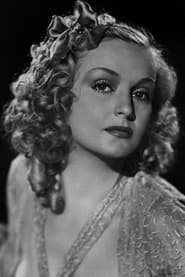
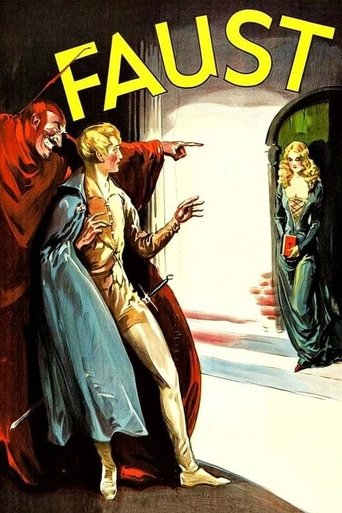
German actress who rose to international fame during the silent era, particularly known for her work in German Expressionist cinema. She began her career as a dancer before transitioning to acting, catching the attention of director F.W. Murnau who cast her in his films. Her breakthrough role came as Gretchen in Murnau's 'Faust' (1926), which established her as a major star in European cinema. Horn's ethereal beauty and expressive acting style made her particularly suited for the melodramatic and romantic roles popular in silent films. She successfully made the transition to sound films and worked in both German and international productions throughout the 1930s. During World War II, she continued acting in German films but her international career was disrupted. After the war, she made occasional appearances in films and television until her retirement, leaving behind a legacy as one of the faces of Weimar cinema.
The Craft
On Screen
Camilla Horn's acting style was characterized by emotional intensity and expressive subtlety, perfectly suited for German Expressionist cinema. She was known for her ability to convey complex emotions through her eyes and minimal gestures, making her particularly effective in silent films where facial expression was paramount. Her performances featured a delicate balance between vulnerability and strength, with a naturalistic approach that stood out even in the highly stylized world of Expressionist film.
Milestones
- Breakthrough role as Gretchen in 'Faust' (1926)
- International recognition in Hollywood films
- Successful transition from silent to sound films
- Six-decade career in European and international cinema
- German Film Award for Best Supporting Actress (1978)
Best Known For
Iconic Roles
Must-See Films
Accolades
Won
- German Film Award for Best Supporting Actress (1978)
Special Recognition
- Officer's Cross of the Order of Merit of the Federal Republic of Germany
Working Relationships
Worked Often With
Studios
Why They Matter
Impact on Culture
Camilla Horn represented the ideal of German feminine beauty during the Weimar Republic and became one of the few German actresses to achieve international stardom during the silent era. Her work in German Expressionist cinema helped define the aesthetic and emotional tone of this influential film movement. Her successful transition to Hollywood and international productions helped bridge German and American cinema during the formative years of global film culture, demonstrating that European talent could succeed in the American market while maintaining artistic integrity.
Lasting Legacy
Horn is remembered as one of the last living links to the golden age of German Expressionist cinema. Her performances in films like 'Faust' continue to be studied by film scholars as examples of the emotional depth and visual sophistication of silent film acting. Her career trajectory from German cinema to Hollywood and back exemplifies the international nature of film culture during the 1920s and 1930s, and her longevity in the business made her a bridge between different eras of filmmaking.
Who They Inspired
Horn's expressive acting style influenced subsequent generations of actors working in dramatic and romantic roles. Her ability to convey complex emotions through subtle facial expressions and body language set a standard for film acting that transcended the silent-to-sound transition. Her international career path paved the way for other European actors seeking success in Hollywood, proving that language barriers could be overcome through universal emotional expression.
Off Screen
Camilla Horn married Hungarian actor and director Géza von Bolváry in 1929, though their marriage ended in divorce in 1935. She never remarried and had no children. During World War II, she faced challenges due to her international connections but managed to continue working in German cinema. After retiring from acting, she lived quietly in Gilching, Germany, where she spent her final years away from the public eye.
Education
Attended ballet school in Frankfurt before transitioning to acting
Family
- Géza von Bolváry (1929-1935)
Did You Know?
- She was discovered by F.W. Murnau while working as a dancer
- She was considered for the role of Brigitte Helm in 'Metropolis' but didn't get it
- She spoke multiple languages fluently, which helped her international career
- She was one of the few German actresses to maintain an active career during the Nazi era without being a party member
- Her performance in 'Faust' was so acclaimed that it led to a Hollywood contract
- She continued acting well into her 80s, appearing in television productions
- She was offered roles in several major Hollywood productions but chose to return to Germany
- She worked with some of the greatest directors of her era including Murnau, Lubitsch, and Pabst
- Her beauty was often compared to that of Greta Garbo and Marlene Dietrich
- She was one of the last surviving stars of German silent cinema
In Their Own Words
In silent films, the eyes must do the talking. Every glance, every flutter of the eyelids tells a story.
Murnau taught me that acting is not about showing emotions, but about feeling them and letting them shine through.
Frequently Asked Questions
Who was Camilla Horn?
German actress who achieved international fame during the silent era, particularly known for her roles in German Expressionist films. She was discovered by director F.W. Murnau and became one of the iconic faces of Weimar cinema before transitioning to Hollywood films in the late 1920s.
What films is Camilla Horn best known for?
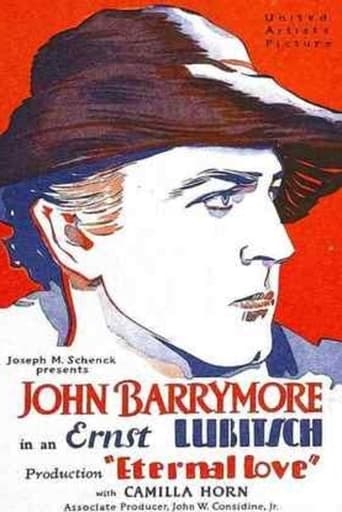
Titles linked here include Faust (1926), Eternal Love (1929).
When was Camilla Horn born and when did she die?
Born April 25, 1903; died August 14, 1996.
What awards did Camilla Horn win?
Camilla Horn received the German Film Award for Best Supporting Actress in 1978 and was honored with the Officer's Cross of the Order of Merit of the Federal Republic of Germany for her contributions to German culture and cinema.
What was Camilla Horn's acting style?
Camilla Horn's acting style was characterized by emotional intensity and expressive subtlety, perfectly suited for German Expressionist cinema. She was known for her ability to convey complex emotions through her eyes and minimal gestures, making her particularly effective in silent films where facial expression was paramount.
How did Camilla Horn transition from silent to sound films?
Camilla Horn successfully made the transition to sound films in the late 1920s and early 1930s, working in both German and international productions. Her multilingual abilities and established star status helped her maintain her career through this technological change in cinema.
What was Camilla Horn's relationship with director F.W. Murnau?
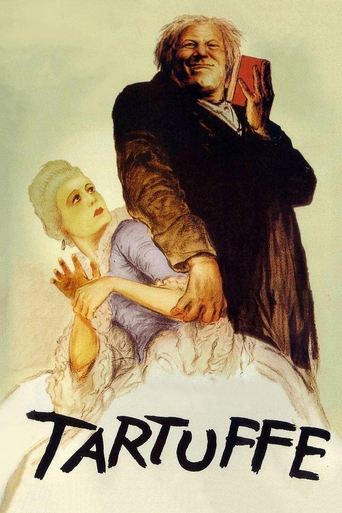
F.W. Murnau discovered Camilla Horn while she was working as a dancer and became her mentor, casting her in 'Tartuffe' (1925) and the breakthrough role of Gretchen in 'Faust' (1926). Their collaboration was crucial to launching her international career and establishing her as a major star of German cinema.