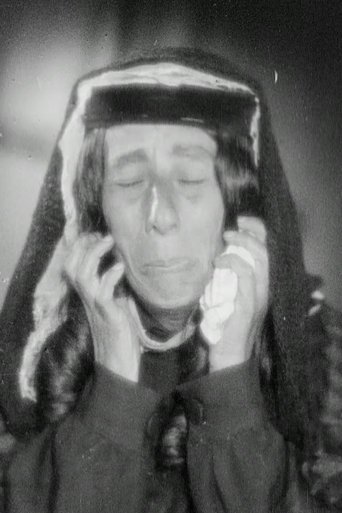

Mikhail Gelovani
Actor
Born: January 6, 1893 in Lasuria, Kutais Governorate, Russian Empire (now Georgia) Died: December 21, 1956 Active: 1924-1956 Birth Name: Mikhail Georgievich Gelovani
Films
6 films
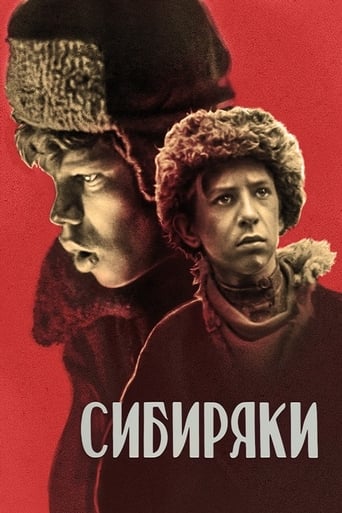
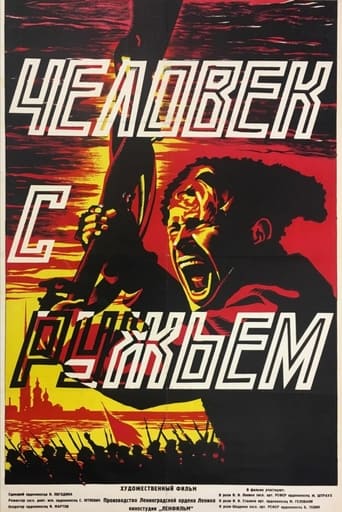
About Mikhail Gelovani
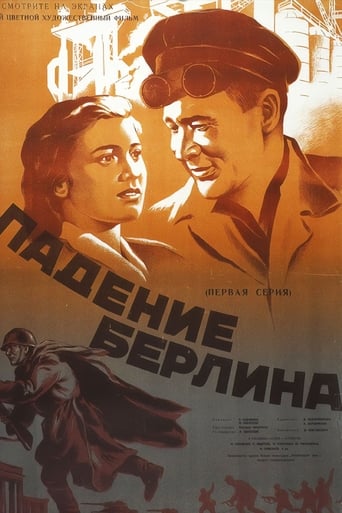
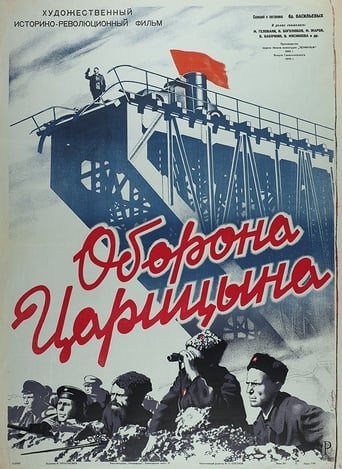
Soviet actor of Georgian origin who achieved status for his portrayals of Joseph Stalin in numerous Soviet films. Born in 1893 in the Georgian village of Lasuria, he began his theatrical career in 1913 with the Tiflis Drama Studio, where he honed his craft before transitioning to cinema in the late 1920s. Gelovani's breakthrough came with his uncanny resemblance to Stalin, which led to his casting as the Soviet leader in multiple propaganda films during the Stalin era. His most celebrated performances include roles in 'The Man with the Gun' (1938), 'Defense of Tsaritsyn' (1942), and the epic 'The Fall of Berlin' (1949), which cemented his reputation as Stalin's official cinematic embodiment. After Stalin's death in 1953 and the subsequent denunciation of his cult of personality, Gelovani's career declined dramatically, and he struggled to find roles in the new political climate. Despite this setback, his contributions to Soviet cinema were recognized with prestigious awards, including multiple Stalin Prizes. Gelovani passed away in Moscow in 1956, leaving behind a complex legacy as both a talented actor and a symbol of Soviet propaganda cinema.
The Craft
On Screen
Gelovani developed a distinctive method acting approach for portraying historical figures, particularly Stalin. He studied Stalin's mannerisms, speech patterns, and physical characteristics extensively, creating an uncanny resemblance that went beyond mere physical similarity. His performances were characterized by a commanding presence, deliberate movements, and a deep, resonant voice that captured the authoritative persona Stalin projected. Gelovani's style blended theatrical gravitas with cinematic naturalism, making his portrayals both imposing and believable to Soviet audiences of the era.
Milestones
- First theatrical debut in 1913
- Film debut in 'Out of the Way!' (1931)
- Breakthrough role as Stalin in 'The Man with the Gun' (1938)
- Awarded Stalin Prize for 'Defense of Tsaritsyn' (1942)
- Starring role in 'The Fall of Berlin' (1949)
- Received title of People's Artist of the USSR (1950)
Best Known For
Iconic Roles
Must-See Films
Accolades
Won
- Stalin Prize (1941)
- Stalin Prize (1942)
- Stalin Prize (1947)
- Stalin Prize (1949)
- Stalin Prize (1950)
- Order of Lenin
- Order of the Red Banner of Labour
Special Recognition
- People's Artist of the USSR (1950)
- People's Artist of the Georgian SSR (1943)
- Honored Artist of the RSFSR
Working Relationships
Worked Often With
Studios
Why They Matter
Impact on Culture
Mikhail Gelovani's portrayals of Joseph Stalin had a profound impact on Soviet culture and cinema, effectively creating the visual template for how Stalin was perceived by millions of Soviet citizens. His performances contributed to the cult of personality surrounding Stalin during the 1930s and 1940s, making the leader seem both accessible and godlike. Gelovani's work in propaganda films like 'The Fall of Berlin' helped shape historical memory and political ideology for generations of Soviet viewers. After Stalin's death, Gelovani's films became controversial artifacts of a bygone era, yet they remain important historical documents of Soviet cinema and political culture.
Lasting Legacy
Gelovani's legacy is complex and multifaceted, representing both artistic achievement and political propaganda. As an actor, he demonstrated remarkable skill in historical characterization, particularly in his portrayal of Stalin, which remains. His films serve as valuable historical documents that provide insight into Soviet political culture and the use of cinema as propaganda. Despite being largely forgotten outside of film history circles, Gelovani influenced how historical figures were portrayed in Soviet cinema and set a standard for political biographical films. His career also serves as a cautionary tale about the dangers of becoming too closely associated with a political regime.
Who They Inspired
Gelovani influenced subsequent generations of Soviet actors who portrayed historical figures, establishing a template for combining physical resemblance with psychological depth. His method approach to playing Stalin influenced how other actors approached political biographical roles in Soviet cinema. The success of his portrayals led to the establishment of a genre of historical biographical films in Soviet cinema that continued for decades. His work also demonstrated the power of cinema in shaping political perception, influencing both Soviet and international understanding of how film can be used for political purposes.
Off Screen
Gelovani married actress Tamara Makarova, with whom he had a son, Georgy Gelovani, who also became an actor. The family lived in Moscow during the height of his career, where they were part of the Soviet cultural elite. His personal life was deeply intertwined with his professional persona, as his resemblance to Stalin brought both privilege and pressure. After Stalin's death, Gelovani faced personal and professional challenges, experiencing the dramatic shift in political climate that affected his family's status.
Education
Tiflis Drama Studio (graduated 1913), Moscow Art Theatre training (additional studies)
Family
- Tamara Makarova (1930s-1956)
Did You Know?
- Was the only actor authorized to portray Stalin in Soviet films during Stalin's lifetime
- His physical resemblance to Stalin was so striking that people often mistook him for the leader in public
- Stalin personally approved Gelovani for the role after seeing his screen test
- Had to learn Stalin's Georgian accent and mannerisms from secret police recordings
- His salary for Stalin roles was among the highest in Soviet cinema
- After Stalin's death, most of his Stalin films were withdrawn from circulation
- Was once arrested by secret police who mistook him for a Stalin impersonator mocking the leader
- His son Georgy also became an actor but deliberately avoided political roles
- Spent months studying Stalin's personal archives and watching newsreel footage
- Was known to remain in character even between takes on film sets
- Received personal letters from Stalin praising his performances
In Their Own Words
When you play a man like Stalin, you don't just act him—you must become him in spirit and soul
Cinema is the most powerful weapon we have for shaping the minds of our people
Every gesture, every word must serve the greater purpose of our socialist reality
To portray our great leader is not just an artistic task, but a sacred duty
The camera never lies, but the artist must reveal deeper truths
Frequently Asked Questions
Who was Mikhail Gelovani?
Prominent Soviet with credits in this catalog. He was considered the official cinematic embodiment of Stalin and received numerous awards for these performances.
What films is Mikhail Gelovani best known for?
Titles linked here include The Fall of Berlin (1949), Defense of Tsaritsyn (1942).
When was Mikhail Gelovani born and when did he die?
Born January 6, 1893; died December 21, 1956.
What awards did Mikhail Gelovani win?
Gelovani received multiple Stalin Prizes (1941, 1942, 1947, 1949, 1950), was named People's Artist of the USSR in 1950, and received prestigious orders including the Order of Lenin and Order of the Red Banner of Labour for his contributions to Soviet cinema.
What was Mikhail Gelovani's acting style?
Gelovani employed a method acting approach for his historical portrayals, particularly Stalin. He extensively studied his subject's mannerisms, speech patterns, and physical characteristics, creating performances that blended theatrical gravitas with cinematic naturalism, making his portrayals both imposing and believable.
How did Stalin's death affect Gelovani's career?
Stalin's death in 1953 and subsequent denunciation of his cult of personality devastated Gelovani's career. His films were withdrawn from circulation, and he struggled to find roles in the new political climate, effectively ending his status as a leading Soviet actor.
Did Gelovani have any family in the film industry?
Yes, Gelovani was married to actress Tamara Makarova, and their son Georgy Gelovani also became an actor, though he deliberately avoided political roles unlike his father's career path.