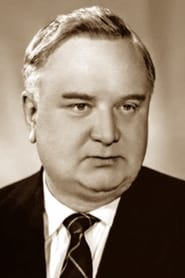
Viktor Khokhryakov
Actor
Born: July 26, 1913 in Ryazan, Russian Empire Died: September 16, 1986 Active: 1937-1986 Birth Name: Viktor Ivanovich Khokhryakov
Films
4 films

About Viktor Khokhryakov
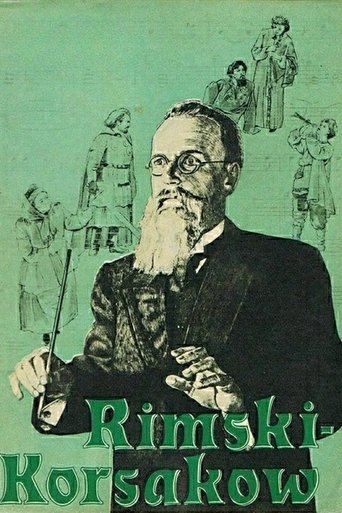
Viktor Ivanovich Khokhryakov — Soviet actor and theater director whose over four decades, leaving an indelible mark on Russian performing arts. Born in 1913 in Ryazan, he began his theatrical journey at the Moscow Art Theatre School, studying under the Konstantin Stanislavski himself. Khokhryakov's breakthrough came when he joined the Moscow Art Theatre company in 1937, where he developed his reputation as a versatile character actor capable of both dramatic and comic roles. During World War II, he performed for frontline troops, demonstrating his commitment to using art as a means of national morale. In 1950, he became the artistic director of the Lenkom Theatre in Moscow, transforming it into one of the Soviet Union's most innovative theatrical spaces. His film career, though secondary to his stage work, included memorable performances in classics such as 'Life in Bloom' (1948) and 'Rimsky-Korsakov' (1952). Khokhryakov's final years were marked by his continued dedication to theatrical innovation and mentorship of younger actors until his death in 1986.
The Craft
On Screen
Khokhryakov was known for his methodical approach to character development, drawing heavily from Stanislavski's system. His performances were characterized by psychological depth, precise emotional control, and an ability to seamlessly transition between dramatic intensity and subtle comedy. He had a distinctive voice and commanding stage presence that allowed him to portray both historical figures and contemporary characters with equal authenticity.
Milestones
- Graduated from Moscow Art Theatre School (1937)
- Joined Moscow Art Theatre company (1937)
- Appointed artistic director of Lenkom Theatre (1950)
- Named People's Artist of the USSR (1965)
- Received Lenin Prize (1966)
- Performed for frontline troops during WWII
- Directed over 50 theatrical productions
- Mentored generations of Soviet actors
Best Known For
Iconic Roles
Must-See Films
Accolades
Won
- People's Artist of the USSR (1965)
- Lenin Prize (1966)
- Order of Lenin (1973)
- Order of the Red Banner of Labour (1963)
- Stalin Prize (1951)
- State Prize of the RSFSR (1971)
Nominated
- Multiple nominations for State Prize recognition
- Considered for leading roles in major Soviet productions
Special Recognition
- Honored Artist of the RSFSR (1947)
- People's Artist of the RSFSR (1953)
- People's Artist of the USSR (1965)
- Lenin Prize laureate
- Stanislavski Gold Medal (1978)
Working Relationships
Worked Often With
Studios
Why They Matter
Impact on Culture
Viktor Khokhryakov played a crucial role in preserving and evolving the Stanislavski tradition in Soviet theater. His leadership at Lenkom Theatre helped establish it as a platform for innovative theatrical experimentation during a period of strict cultural control. He was instrumental in bridging classical Russian theater traditions with contemporary Soviet themes, making theater accessible and relevant to new generations. His performances in historical films helped shape Soviet cultural memory and national identity.
Lasting Legacy
Khokhryakov's legacy endures through the generations of actors he trained and the theatrical traditions he helped preserve. The Lenkom Theatre remains one of Moscow's most prestigious venues, in part due to the foundation he built. His approach to character acting continues to be studied in Russian acting schools, and his film performances are considered classics of Soviet cinema. The annual Khokhryakov Theater Festival was established in his honor to recognize excellence in Russian theater.
Who They Inspired
Khokhryakov influenced Soviet theater by demonstrating how classical techniques could be applied to contemporary material without losing artistic integrity. His mentoring style emphasized psychological authenticity over technical perfection, influencing a generation of Russian actors. His work in film helped establish a more naturalistic acting style in Soviet cinema, moving away from the theatrical conventions of earlier periods. Many of his students became leading figures in post-Soviet Russian theater and film.
Off Screen
Viktor Khokhryakov was known as a deeply private individual who dedicated most of his life to his art. He married actress Valentina Khokhryakova, with whom he often shared the stage. The couple had one son, Andrei, who also pursued a career in the arts. Khokhryakov was known for his intellectual pursuits, maintaining an extensive library and engaging in philosophical discussions with fellow artists. He remained committed to his principles throughout his life, even during periods of political pressure in the Soviet cultural sphere.
Education
Moscow Art Theatre School (graduated 1937), studied under Konstantin Stanislavski and Vsevolod Meyerhold
Family
- Valentina Khokhryakova (married 1940-1986)
Did You Know?
- Was one of the few Soviet artists allowed to travel abroad for cultural exchanges
- Maintained a personal correspondence with several Western theater directors
- Spoke fluent English and French, rare for Soviet artists of his generation
- Was offered the position of artistic director at the Bolshoi Theatre but declined
- His personal library contained over 10,000 books on theater and philosophy
- Performed in over 200 theatrical productions during his career
- Was known for his photographic memory and could recall entire plays from memory
- Survived the Stalin purges despite his association with Meyerhold
- His final performance was in 'Stolen Sun' (1978) when he was 65 years old
- The main stage at Lenkom Theatre was renamed in his honor in 1987
In Their Own Words
The theater is not a building, but a living organism that breathes with the soul of its people
To act is not to pretend, but to discover the truth within yourself and share it with others
Stanislavski taught us that the greatest special effect is the human heart
In every role, I search not for the character, but for the humanity that connects us all
The stage is a mirror, but it reflects not what we are, but what we could be
Frequently Asked Questions
Who was Viktor Khokhryakov?
Renowned Soviet actor and theater on YTB.my. He was named People's Artist of the USSR, the highest artistic honor in the Soviet Union.
What films is Viktor Khokhryakov best known for?
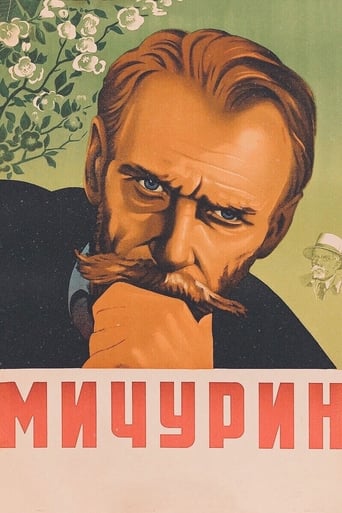
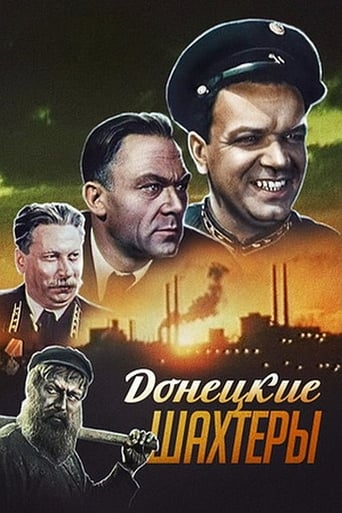
Titles linked here include Life in Bloom (1948), The Miners of Donetsk (1951).
When was Viktor Khokhryakov born and when did he die?
Born July 26, 1913; died September 16, 1986.
What awards did Viktor Khokhryakov win?
Khokhryakov received numerous prestigious awards including the title of People's Artist of the USSR (1965), the Lenin Prize (1966), the Stalin Prize (1951), and multiple Orders of Lenin and the Red Banner of Labour for his contributions to Soviet art and culture.
What was Viktor Khokhryakov's acting style?
Khokhryakov's acting style was deeply influenced by the Stanislavski system, characterized by psychological depth, emotional authenticity, and meticulous character development. He was known for his ability to portray both historical figures and contemporary characters with equal realism and conviction.
How did Viktor Khokhryakov influence Soviet theater?
Khokhryakov revolutionized Soviet theater by preserving classical traditions while embracing innovation at Lenkom Theatre. He mentored generations of actors, championed contemporary playwrights, and maintained artistic integrity during politically challenging times, leaving a lasting impact on Russian performing arts.
What was Viktor Khokhryakov's role during World War II?
During World War II, Khokhryakov performed with theater troupes at the front lines, entertaining Soviet troops and boosting morale. These experiences deeply influenced his artistic perspective and commitment to theater as a force for social unity and national resilience.
How is Viktor Khokhryakov remembered today?
Khokhryakov is remembered as. His teachings continue to influence Russian acting schools, and his film performances are studied as classics of Soviet cinema.