Anatoli Goryunov
Actor
Born: January 31, 1900 in Moscow, Russian Empire Died: April 21, 1939 Active: 1930-1939 Birth Name: Anatoli Alexandrovich Goryunov
Films
7 films
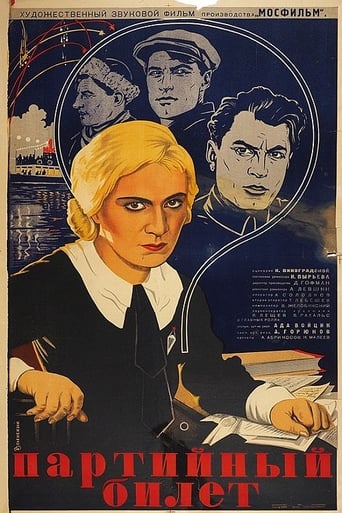
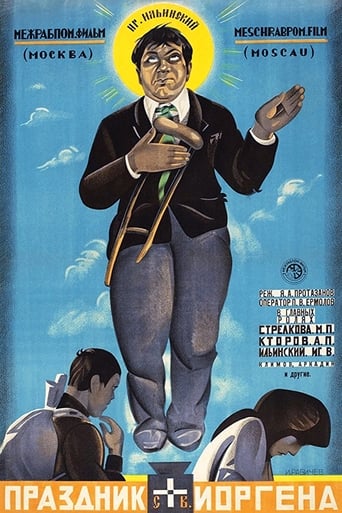

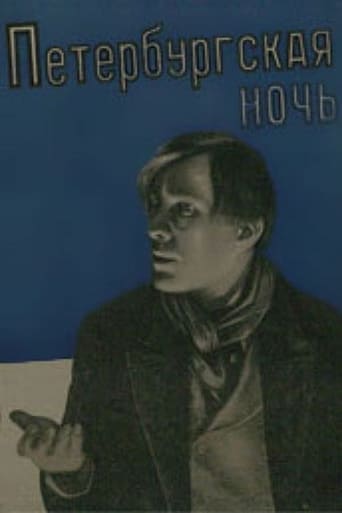
About Anatoli Goryunov
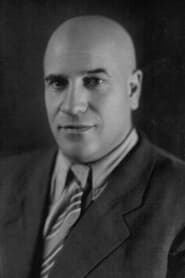
Prominent Soviet actor who rose to prominence during the early sound era of Soviet cinema in the 1930s. Born in Moscow in 1900, he developed his craft during a transformative period in Russian film history, transitioning from silent films to talkies. Goryunov became particularly known for his versatile performances in both comedies and dramatic roles, showcasing remarkable range and depth as an actor. His career, though tragically cut short by his early death at age 39, left a significant mark on Soviet cinema during its formative years. He worked with some of the most important Soviet directors of his time and appeared in several landmark films that defined the aesthetic of 1930s Soviet cinema. His performances were characterized by a naturalistic style that helped bridge the theatrical acting traditions of the silent era with the more nuanced requirements of sound cinema. Despite his relatively brief career, Goryunov's work continues to be studied and appreciated by film historians as representative of the golden age of Soviet cinema.
The Craft
On Screen
Goryunov was known for his naturalistic approach to acting, which was relatively innovative for Soviet cinema of the 1930s. He possessed a remarkable ability to seamlessly transition between comedic timing and dramatic intensity, often within the same performance. His technique involved subtle facial expressions and body language that conveyed complex emotions without the exaggerated gestures common in earlier Soviet film acting. Goryunov's voice work in early sound films was particularly praised for its clarity and emotional resonance, helping to establish standards for vocal performance in Soviet cinema. He often brought a sense of everyday authenticity to his roles, making even his most dramatic characters feel relatable and human.
Milestones
- Breakthrough role in St. Jorgen's Day (1930) which established him as a leading comic actor
- Critically acclaimed performance in Boule de Suif (1934) demonstrating his dramatic range
- Memorable supporting role in Three Comrades (1935) which became one of his most internationally recognized performances
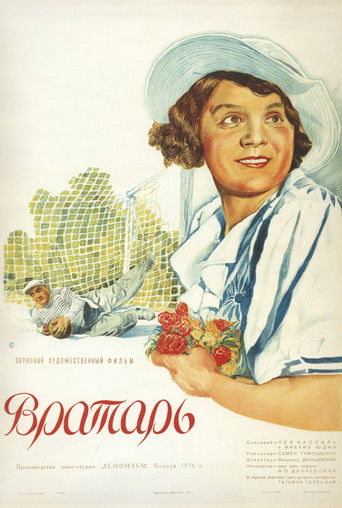
- Lead role in The Goalkeeper (1936) which became a classic of Soviet sports cinema
- Final film appearance in Anna (1936), which showcased his mature dramatic abilities
Best Known For
Iconic Roles
Must-See Films
Accolades
Special Recognition
- Honored Artist of the RSFSR (1935)
Working Relationships
Worked Often With
Studios
Why They Matter
Impact on Culture
Anatoli Goryunov played a significant role in the development of naturalistic acting in Soviet cinema during the transition from silent films to talkies. His performances helped establish a new standard for subtlety and emotional authenticity in Soviet film acting, moving away from the more theatrical styles of the silent era. Goryunov's work in films like 'Boule de Suif' and 'Anna' demonstrated how Soviet cinema could address complex human emotions while still adhering to the artistic principles of socialist realism. His approach to character development influenced a generation of Soviet actors who followed, contributing to the evolution of a distinct Soviet acting style that balanced technical skill with emotional truth. Goryunov's films continue to be studied in film schools across Russia and the former Soviet republics as examples of the artistic achievements of 1930s Soviet cinema.
Lasting Legacy
Despite his relatively brief career, Anatoli Goryunov's legacy in Soviet cinema is substantial and enduring. His performances in the 1930s helped define the aesthetic of Soviet sound film during its formative years, particularly in establishing naturalistic acting techniques that would influence subsequent generations of Soviet actors. Goryunov's work is frequently cited by film historians as representing the artistic peak of Soviet cinema before the stricter ideological constraints of the late 1930s and 1940s. His films remain part of the canon of classic Soviet cinema and are regularly screened at retrospectives and film festivals dedicated to vintage Russian films. The Moscow Art Theatre, where he trained, continues to reference his techniques in its acting curriculum, and several prominent Russian actors have cited Goryunov as an influence on their own approach to film performance.
Who They Inspired
Goryunov's naturalistic acting style significantly influenced the development of Soviet film performance techniques during the 1930s and beyond. His approach to blending comedy and drama inspired actors such as Innokenty Smoktunovsky and Oleg Yankovsky, who later became icons of Soviet cinema. Directors who worked with Goryunov often praised his ability to bring psychological depth to his characters, a quality they sought in other actors for subsequent projects. His techniques for voice work in early sound films became part of the standard curriculum at Soviet film schools. International filmmakers who studied Soviet cinema during the mid-20th century noted Goryunov's performances as examples of how to achieve emotional authenticity within the constraints of state-controlled cinema. Several prominent Russian actors of the post-Soviet era have acknowledged studying Goryunov's film performances as part of their training.
Off Screen
Anatoli Goryunov led a relatively private life despite his growing fame in Soviet cinema. He married fellow actress Elena Goryunova in 1927, and the couple had one son, Vladimir, who later became a theater director. Goryunov was known among his colleagues for his dedication to his craft and his willingness to help younger actors develop their skills. He maintained close friendships with several prominent Soviet filmmakers and was respected for his intellectual approach to acting. His death at age 39 was a shock to the Soviet film community and cut short what many believed would be a long and influential career.
Education
Graduated from the Moscow Art Theatre School in 1923, where he studied under influential theater director Konstantin Stanislavski
Family
- Elena Goryunova (1927-1939)
Did You Know?
- Was one of the first Soviet actors to successfully transition from silent films to talkies
- His performance in 'St. Jorgen's Day' was so popular that audiences would sometimes quote his lines in the streets
- Studied under both Stanislavski and Meyerhold, two of the most influential theater directors of the 20th century
- Despite his short career, appeared in over 20 films between 1930 and 1939
- Was known for his extensive preparation for roles, often spending months researching characters before filming began
- His death at age 39 was reportedly due to complications from pneumonia, though some sources suggest heart problems
- Several of his films were temporarily banned during the Stalin era but were later rehabilitated and are now considered classics
- His son Vladimir became a prominent theater director and helped preserve his father's legacy through archival work
- Was known among colleagues for his photographic memory, which allowed him to recall long passages of dialogue with ease
- Despite his fame, never owned a car and preferred to use Moscow's public transportation
In Their Own Words
Acting is not about pretending to be someone else, but about finding the part of yourself that connects with the character.
In comedy, timing is everything. In drama, truth is everything. The challenge is to find both in the same performance.
The transition from silent to sound film taught us that words are only part of communication; the eyes still tell the real story.
Every character, no matter how small, deserves the same respect and preparation. There are no small roles, only small actors.
Soviet cinema has a unique responsibility: to entertain while educating, to move while enlightening. This is not a burden but a privilege.
Frequently Asked Questions
Who was Anatoli Goryunov?
Prominent Soviet with credits in this catalog. He was one of the first Soviet actors to successfully transition from silent films to talkies and appeared in several classic Soviet films before his untimely death at age 39.
What films is Anatoli Goryunov best known for?
Titles linked here include St. Jorgen's Day (1930), Boule de Suif (1934).
When was Anatoli Goryunov born and when did he die?
Born January 31, 1900; died April 21, 1939.
What awards did Anatoli Goryunov win?
Goryunov was named an Honored Artist of the RSFSR in 1935, which was one of the highest cultural honors in the Soviet Union. While he didn't receive many formal awards during his lifetime, his contributions to Soviet cinema have been recognized posthumously through film retrospectives and academic study.
What was Anatoli Goryunov's acting style?
Goryunov was known for his naturalistic approach to acting, which was innovative for Soviet cinema of the 1930s. He employed subtle facial expressions and body language rather than the exaggerated gestures common in earlier Soviet film acting, and he was particularly praised for his voice work in early sound films.
Where did Anatoli Goryunov study acting?
Goryunov graduated from the Moscow Art Theatre School in 1923, where he studied under the influential theater directors Konstantin Stanislavski and Vsevolod Meyerhold. This training under two of the most important theater figures of the 20th century greatly influenced his approach to film acting.
How did Anatoli Goryunov influence Soviet cinema?
Goryunov helped establish naturalistic acting techniques in Soviet sound cinema, moving away from theatrical styles of the silent era. His performances influenced subsequent generations of Soviet actors and contributed to the development of a distinct Soviet acting style that balanced technical skill with emotional authenticity within the framework of socialist realism.