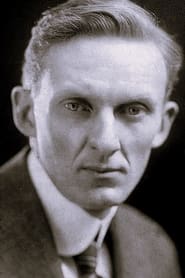
Erville Alderson
Actor
Born: September 11, 1882 in Kansas City, Missouri, USA Died: August 4, 1957 Active: 1923-1928
Films
3 films

About Erville Alderson
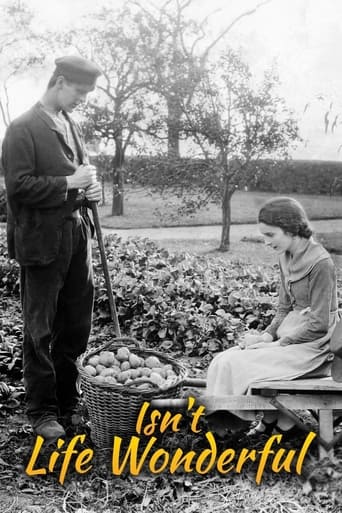
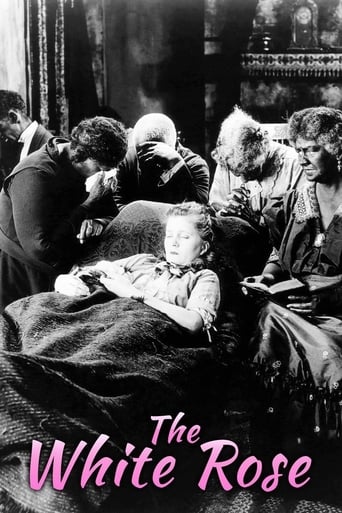
Made his mark during the silent film era of the 1920s. Born in Kansas City, Missouri, Alderson began his film career in the early 1920s, quickly establishing himself as a reliable supporting actor in some of the era's most significant productions. He worked extensively with director D.W. Griffith, appearing in several of his films including the epic historical drama 'America' (1924). Alderson also collaborated with other notable directors of the time, including a memorable role in Ernst Lubitsch's 'The White Rose' (1923). His performance in Griffith's 'Isn't Life Wonderful' (1924) showcased his ability to convey deep emotion through the subtle techniques required by silent cinema. Despite his relatively brief film career, Alderson's contributions to early cinema have been preserved through these important works that continue to be studied by film historians. His approximately five years, but his performances in these significant films have ensured his place in the annals of silent film history.
The Craft
On Screen
Erville Alderson specialized in character roles during the silent era, utilizing subtle facial expressions and body language to convey emotion. His style was typical of the period's character actors who needed to communicate complex emotions without dialogue. Alderson demonstrated particular skill in portraying authority figures and common people with equal authenticity, adapting his performance to suit both dramatic and lighter roles.
Milestones
- Breakthrough role in Ernst Lubitsch's 'The White Rose' (1923)
- Collaboration with D.W. Griffith on multiple films
- Notable performance in 'Isn't Life Wonderful' (1924)
- Role in the historical epic 'America' (1924)
- Final film appearance in 'The Battle of the Sexes' (1928)
Best Known For
Iconic Roles
Must-See Films
Working Relationships
Worked Often With
Studios
Why They Matter
Impact on Culture
Erville Alderson's contributions to silent cinema, while not widely recognized by the general public, represent the essential foundation of character acting in early Hollywood. His work with directors like D.W. Griffith helped establish the template for supporting roles in narrative cinema. Through his performances in films that are now considered classics of the silent era, Alderson participated in the evolution of cinematic storytelling during its formative years.
Lasting Legacy
Erville Alderson's legacy lies in his participation in several historically significant silent films that continue to be studied and preserved by film historians and archives. His performances serve as examples of the character acting craft during the transition from theatrical to cinematic acting styles. While he never achieved star status, his work in films by directors like Griffith and Lubitsch ensures his place in the historical record of American cinema's development.
Who They Inspired
As a character actor during the silent era, Alderson's influence was primarily through his contributions to the ensemble casts that helped define early narrative cinema. His work demonstrated how supporting actors could enhance the overall impact of a film without dominating the screen, a principle that continues to guide character actors today.
Off Screen
Erville Alderson lived a relatively private life away from the Hollywood spotlight. After his brief film career ended in the late 1920s, he largely disappeared from public view. He spent his later years away from the entertainment industry, maintaining a low profile until his death in 1957 at the age of 74.
Did You Know?
- Born in Kansas City, Missouri, in 1882
- Worked extensively with director D.W. Griffith during the mid-1920s
- Appeared in Ernst Lubitsch's American production 'The White Rose'
- His film career was relatively brief, spanning only about five years
- Participated in the transition from short films to feature-length productions
- His final film appearance was in Griffith's 'The Battle of the Sexes' (1928)
- Died in Los Angeles, California, in 1957 at age 74
- Never made the transition to sound films
- Represented the typical character actor of the silent era who supported star performers
- His films are now preserved in various film archives and occasionally screened at classic film festivals
Frequently Asked Questions
Who was Erville Alderson?
American character actor during the silent film era of the 1920s who worked with notable on YTB.my.W. Griffith and Ernst Lubitsch. He appeared in several historically significant films but had a relatively brief career spanning approximately five years.
What films is Erville Alderson best known for?
Titles linked here include The White Rose (1923), Isn't Life Wonderful (1924).
When was Erville Alderson born and when did he die?
Born September 11, 1882; died August 4, 1957.
What awards did Erville Alderson win?
Erville Alderson did not receive any major awards or nominations during his career, which was common for character actors during the silent era before the establishment of many formal acting awards.
What was Erville Alderson's acting style?
Alderson specialized in character acting during the silent era, using subtle facial expressions and body language to convey emotion. He was skilled at portraying both authority figures and common people with authenticity, adapting his performance style to suit dramatic and lighter roles.
Did Erville Alderson transition to sound films?
No, Erville Alderson did not make the transition to sound films. His last appearance was in 1928's 'The Battle of the Sexes,' just as the sound era was beginning, and he retired from acting before sound films became dominant.
What directors did Erville Alderson work with?
Erville Alderson worked most extensively with director D.W. Griffith, appearing in multiple films including 'Isn't Life Wonderful,' 'America,' 'The Sorrows of Satan,' and 'The Battle of the Sexes.' He also collaborated with Ernst Lubitsch on 'The White Rose'.