
Pavel Volkov
Actor
Born: June 14, 1897 in Moscow, Russian Empire Died: December 8, 1959 Active: 1935-1959 Birth Name: Pavel Vladimirovich Volkov
Films
7 films
About Pavel Volkov
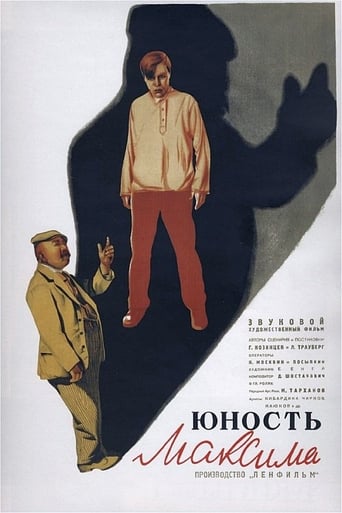
Pavel Vladimirovich Volkov — Soviet character actor whose the crucial decades of Soviet cinema from the 1930s through the 1950s. Born in 1897, he began his acting career on the stage before transitioning to film during the golden age of Soviet socialist realism cinema. Volkov developed a reputation for portraying authentic working-class characters, often playing peasants, soldiers, and ordinary Soviet citizens with remarkable depth and sincerity. His breakthrough role came in 'The Youth of Maxim' (1935), which established him as a reliable character actor in the Soviet film industry. Throughout his career, he collaborated with prominent Soviet directors including Grigori Kozintsev, Leonid Trauberg, and Vsevolod Pudovkin, becoming a familiar face to Soviet audiences. Volkov's performances were characterized by their naturalistic approach and emotional authenticity, embodying the ideals of Soviet cinema while maintaining artistic integrity. He continued acting until his death in 1959, leaving behind a legacy of over 50 film appearances that documented the evolution of Soviet cinema.
The Craft
On Screen
Volkov was known for his naturalistic and understated acting style, which contrasted with the more theatrical approach common in early Soviet cinema. He specialized in creating authentic, believable characters through subtle facial expressions, body language, and a deep understanding of human psychology. His performances were marked by their emotional honesty and ability to convey complex inner states without excessive dramatic gestures. Volkov's approach embodied the socialist realist ideal while maintaining artistic subtlety and depth.
Milestones
- Breakthrough role in 'The Youth of Maxim' (1935)
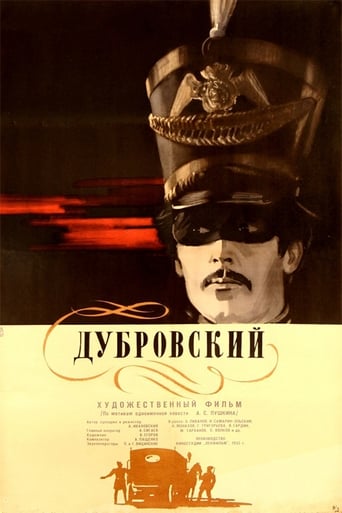
- Memorable performance in 'Dubrovskiy' (1936)
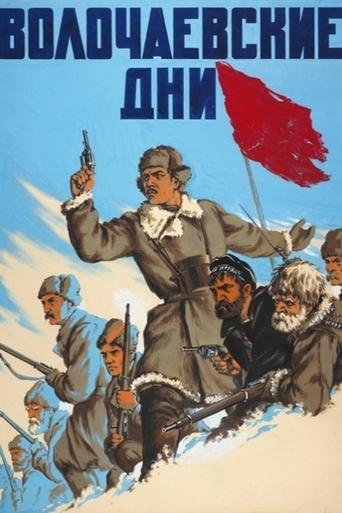
- Key role in the historical epic 'The Defense of Volotchayevsk' (1937)
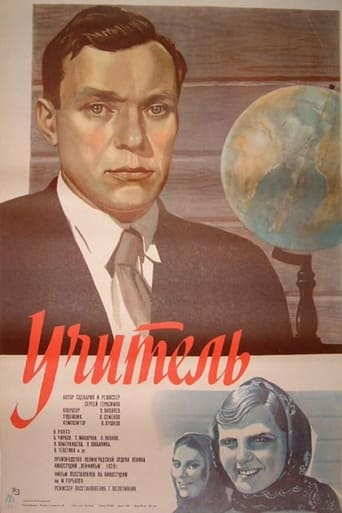
- Critically acclaimed performance in 'The New Teacher' (1939)
- Post-war success in 'The Great Glinka' (1946)
- Final film appearance in 'The Unforgettable Year 1919' (1951)
Best Known For
Iconic Roles
Must-See Films
Accolades
Won
- Honored Artist of the RSFSR (1947)
- Order of the Red Banner of Labour (1950)
- Stalin Prize nomination for 'The Defense of Volotchayevsk' (1938)
Nominated
- Stalin Prize nomination for Best Actor (1938)
- All-Union Film Festival recognition for 'The New Teacher' (1939)
Special Recognition
- Honored Artist of the Russian Soviet Federative Socialist Republic
- Veteran of Labor award
- Moscow Theater Society recognition
Working Relationships
Worked Often With
Studios
Why They Matter
Impact on Culture
Pavel Volkov played a significant role in shaping the archetype of the Soviet everyman in cinema during the Stalin era. His portrayals of ordinary Soviet citizens helped establish the visual and emotional language of socialist realism in film, influencing generations of Soviet actors. Volkov's work contributed to the creation of a national cinema that both entertained and educated Soviet audiences about socialist ideals. His performances in historical films like 'The Defense of Volotchayevsk' helped shape collective memory of the Russian Revolution and Civil War. Volkov's naturalistic acting style influenced the movement away from theatricality toward more realistic performances in Soviet cinema.
Lasting Legacy
Pavel Volkov is remembered as one of Soviet cinema's most reliable character actors, whose face became synonymous with the Soviet working class. His extensive filmography serves as a valuable historical document of Soviet life and values during the mid-20th century. Volkov's approach to character acting influenced subsequent generations of Soviet performers, particularly in the realm of realistic, understated performances. His work continues to be studied in Russian film schools as an example of successful character acting within the constraints of socialist realism. Several of his films remain classics of Soviet cinema and are regularly shown in retrospectives of Russian film history.
Who They Inspired
Volkov influenced Soviet cinema by demonstrating how character actors could maintain artistic integrity while working within the ideological framework of socialist realism. His naturalistic approach paved the way for the more psychologically complex performances that emerged in Soviet cinema during the Khrushchev Thaw. Younger actors studied his technique for creating authentic characters with minimal dialogue and maximum emotional impact. His success proved that character actors could achieve recognition and respect in Soviet cinema, encouraging others to pursue similar career paths.
Off Screen
Pavel Volkov was known as a private individual who maintained a modest lifestyle despite his film success. He married fellow actress Maria Ivanova in 1924, and their marriage lasted until his death. The couple had two children, both of whom pursued careers in the arts. Volkov was deeply committed to the ideals of Soviet socialism and often participated in cultural delegations to other socialist countries. He was known among colleagues for his professionalism and dedication to his craft, often spending hours perfecting even minor roles.
Education
Graduated from the Moscow Art Theatre School in 1920, studied under Konstantin Stanislavski's method
Family
- Maria Ivanova (1924-1959)
Did You Know?
- Volkov began his career as a stage actor before transitioning to film at age 38
- He was known for his method of spending weeks living in villages to prepare for peasant roles
- Volkov appeared in over 50 films during his 24-year film career
- He was a close friend of poet Vladimir Mayakovsky in his early years
- During WWII, Volkov performed for frontline troops and was wounded during a performance
- He refused to join the Communist Party until 1948, despite pressure from studio officials
- Volkov was known for his photographic memory and could recall entire scripts after one reading
- He taught acting at the Gerasimov Institute of Cinematography (VGIK) from 1947-1955
- His final film was released posthumously in 1960
- Volkov — avid chess player and often played with fellow actors between takes
In Their Own Words
The actor must disappear so that the character may live. This is the highest art of cinema.
In every Soviet citizen, I see a hero waiting to be discovered.
The stage teaches you to project, but cinema teaches you to listen.
To play a peasant, you must first understand the earth beneath his feet.
Acting is not about becoming someone else, but about revealing the someone else within yourself.
Frequently Asked Questions
Who was Pavel Volkov?
Prominent Soviet character with credits in this catalog. He appeared in over 50 films and was honored as an Artist of the RSFSR for his contributions to Soviet film art.
What films is Pavel Volkov best known for?
Titles linked here include The Youth of Maxim (1935), Dubrovskiy (1936).
When was Pavel Volkov born and when did he die?
Born June 14, 1897; died December 8, 1959.
What awards did Pavel Volkov win?
Volkov was named Honored Artist of the RSFSR in 1947 and received the Order of the Red Banner of Labour in 1950. He was also nominated for the Stalin Prize for his performance in 'The Defense of Volotchayevsk' in 1938.
What was Pavel Volkov's acting style?
Volkov was known for his naturalistic and understated acting style, which emphasized authenticity and emotional honesty over theatricality. He specialized in creating believable characters through subtle expressions and deep psychological understanding, embodying socialist realist ideals while maintaining artistic integrity.
Did Pavel Volkov work with any famous directors?
Yes, Volkov collaborated with many prominent Soviet directors including Grigori Kozintsev and Leonid Trauberg (the 'Kozintsev-Trauberg duo'), Vsevolod Pudovkin, and Mikhail Romm. These collaborations resulted in some of the most significant films of Soviet cinema.
What was Pavel Volkov's legacy in Soviet cinema?
Volkov's legacy lies in his contribution to establishing the archetype of the Soviet everyman in cinema and his influence on naturalistic acting in Soviet film. His extensive filmography serves as a historical document of Soviet life and values, and his techniques continue to be studied in Russian film schools today.