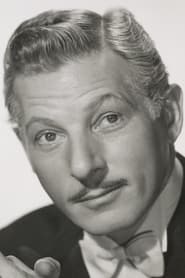
Danny Kaye
Actor
Born: January 18, 1911 in Brooklyn, New York, USA Died: March 3, 1987 Active: 1933-1986 Birth Name: David Daniel Kaminsky
Films
1 film
About Danny Kaye
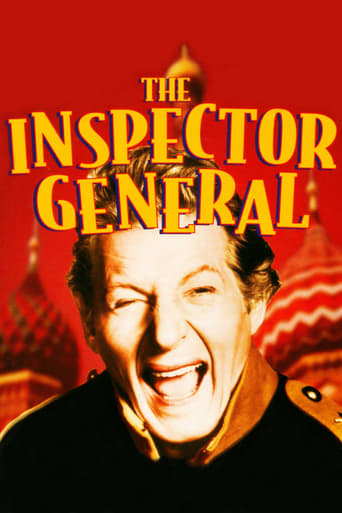
Danny Kaye, born David Daniel Kaminsky, was versatile entertainers of the Golden Age of Hollywood, renowned for his unique blend of comedy, singing, dancing, and pantomime. He began his career in the Borscht Belt circuit as a teen, developing his signature rapid-fire patter and physical comedy style that would become his trademark. His breakthrough came with the Broadway show 'Lady in the Dark' in 1940, which led to a contract with Samuel Goldwyn and his film debut in 'Up in Arms' (1944). Throughout the 1940s and 1950s, Kaye became one of Hollywood's highest-paid stars, starring in beloved classics like 'The Secret Life of Walter Mitty' (1947), 'The Inspector General' (1949), and 'White Christmas' (1954). His career extended beyond film into television with 'The Danny Kaye Show' (1963-1967) and extensive work as a UNICEF Goodwill Ambassador, becoming one of the first celebrities to hold such a position. Kaye's ability to perform complex tongue-twisting songs, his athletic physical comedy, and his genuine warmth made him a beloved figure worldwide until his death in 1987.
The Craft
On Screen
Danny Kaye's acting style was characterized by his extraordinary physical comedy, rapid-fire delivery of tongue-twisting songs and patter, and ability to seamlessly transition between multiple personas within a single performance. His comedy was both sophisticated and accessible, combining slapstick elements with witty wordplay and cultural references. Kaye was known for his expressive face, athletic dance moves, and the ability to perform complex musical numbers while maintaining comedic timing. His style often incorporated elements of pantomime and vaudeville, creating a unique theatrical approach that translated well to film.
Milestones
- Broadway debut in 'The Straw Hat Revue' (1939)
- Breakthrough in 'Lady in the Dark' (1940)
- First film 'Up in Arms' (1944)
- Golden Globe for 'Hans Christian Andersen' (1952)
- Honorary Academy Award (1955)
- Peabody Award for television work (1956)
- UNICEF Goodwill Ambassador (1954-1987)
- Kennedy Center Honors (1982)
Best Known For
Iconic Roles
Must-See Films
Accolades
Won
- Golden Globe Award for Best Actor - Hans Christian Andersen (1952)
- Honorary Academy Award for his unique talents and service to the Academy (1955)
- Peabody Award for television excellence (1956)
- Jean Hersholt Humanitarian Award (posthumous, 1987)
- Cecil B. DeMille Award (Golden Globes, 1982)
Nominated
- Academy Award nomination for Best Actor - The Five Pennies (1959)
- Golden Globe nominations for Best Actor - The Court Jester (1956), Merry Andrew (1958)
- Emmy nominations for The Danny Kaye Show (1964, 1965, 1966)
Special Recognition
- Hollywood Walk of Fame star (1960)
- Kennedy Center Honors (1982)
- UNICEF's Danny Kaye Award established in his honor
- American National Theatre and Academy's National Medal of Arts (1985)
- Inducted into the International Clown Hall of Fame (1990)
Working Relationships
Worked Often With
Studios
Why They Matter
Impact on Culture
Danny Kaye's impact on American culture extended far beyond his film career, as he helped define the multi-talented entertainer archetype that would influence generations of performers. His unique ability to combine comedy, music, and dance in family-friendly entertainment made him. Kaye broke new ground as one of the first major celebrities to dedicate significant time to humanitarian work, particularly through his role with UNICEF, where he helped raise millions of dollars and awareness for children's welfare worldwide. His television show 'The Danny Kaye Show' set new standards for variety programming, and his performances helped introduce American audiences to international music and culture. Kaye's films, particularly holiday classics like 'White Christmas,' became cultural touchstones that continue to be celebrated annually.
Lasting Legacy
Danny Kaye's legacy endures through his timeless film performances that continue to entertain new generations, his work in celebrity humanitarianism that inspired countless others, and his influence on the art of comedic performance. His ability to appeal to both children and adults without compromising artistic integrity set a standard for family entertainment. The Danny Kaye Award for UNICEF continues his humanitarian mission, and his films remain staples of classic film programming and holiday traditions. Kaye's innovative approach to musical comedy, particularly his mastery of tongue-twisting songs and physical comedy, influenced performers from Dick Van Dyke to Robin Williams. His work helped bridge the gap between vaudeville-style entertainment and modern film comedy, preserving classic comedic techniques while adapting them for contemporary audiences.
Who They Inspired
Danny Kaye's influence on entertainment is profound, particularly in the realm of musical comedy and family entertainment. His rapid-fire delivery style and physical comedy techniques have been studied and emulated by countless performers, including Robin Williams, who cited Kaye as a major influence. The way Kaye seamlessly integrated singing, dancing, and comedy in his performances set a template for later entertainers like Dick Van Dyke and Neil Patrick Harris. His humanitarian work through UNICEF established a blueprint for celebrity activism that would be followed by figures like Audrey Hepburn and Angelina Jolie. In the realm of television variety shows, 'The Danny Kaye Show' influenced programs hosted by Carol Burnett and others. Kaye's ability to perform in multiple languages and his international appeal helped pave the way for more globally-minded entertainment in Hollywood.
Off Screen
Danny Kaye was married to Sylvia Fine from 1940 until his death in 1987, a partnership that was both personal and professional. Fine was a talented composer and lyricist who wrote many of Kaye's signature songs and managed his career. They had one daughter, Dena Kaye, born in 1946. Despite being one of Hollywood's biggest stars, Kaye was known for his relatively private personal life and dedication to humanitarian work. He was an accomplished pilot and conductor, and his passion for helping children through UNICEF became a defining aspect of his later life.
Education
Attended Thomas Jefferson High School in Brooklyn, left before graduation to pursue entertainment career; studied at the Educational Alliance and took various acting and dance classes in New York
Family
- Sylvia Fine (1940-1987)
Did You Know?
- Could speak and sing in multiple languages, including Russian, which he learned phonetically for roles
- Was an accomplished pilot who owned several aircraft and flew himself to performances
- Conducted major orchestras including the New York Philharmonic despite having no formal training
- Held the record for most UNICEF fundraising concerts performed by a single artist
- Was left-handed but learned to play instruments right-handed for film roles
- His trademark tongue-twisting song 'Tchaikovsky' was written by wife Sylvia Fine and named 88 Russian composers in 39 seconds
- Was offered the role of the Cowardly Lion in 'The Wizard of Oz' but turned it down
- Owned a Chinese restaurant called 'Danny Kaye's' in Beverly Hills
- Was a passionate chef who hosted cooking shows before they became popular
- Received four honorary degrees despite never attending college
- Was the first celebrity to serve as a UNICEF Goodwill Ambassador
- His daughter Dena appeared briefly in 'The Five Pennies' as a child
In Their Own Words
Life is a great big canvas, and you should throw all the paint on it you can.
To travel is to discover that everyone is wrong about other countries.
I wasn't born a fool. It took work to get this way.
The greatest problem with communication is the illusion that it has been accomplished.
I believe in living each day as if it were my last, because one of these days I'll be right.
Frequently Asked Questions
Who was Danny Kaye?
Beloved American entertainer of the Golden Age of Hollywood, renowned for his unique combination of comedy, singing, dancing, and acting. Born David Daniel Kaminsky, he became.' Beyond entertainment, he was a humanitarian who served as one of UNICEF's first celebrity Goodwill Ambassadors.
What films is Danny Kaye best known for?
Titles linked here include The Inspector General (1949), The Secret Life of Walter Mitty (1947).
When was Danny Kaye born and when did he die?
Born January 18, 1911; died March 3, 1987.
What awards did Danny Kaye win?
Danny Kaye won a Golden Globe for 'Hans Christian Andersen' (1952), received an Honorary Academy Award for his unique talents (1955), won a Peabody Award for his television work (1956), and received the Jean Hersholt Humanitarian Award posthumously in 1987. He was also honored with the Kennedy Center Honors in 1982 and has a star on the Hollywood Walk of Fame.
What was Danny Kaye's acting style?
Danny Kaye's acting style was characterized by extraordinary physical comedy, rapid-fire delivery of tongue-twisting songs, and seamless transitions between multiple personas. His performances combined sophisticated wordplay with athletic dance moves and expressive facial comedy, drawing from vaudeville and pantomime traditions while creating a uniquely theatrical approach perfect for film musicals.
Was Danny Kaye married and did he have children?
Danny Kaye was married to Sylvia Fine from 1940 until his death in 1987. Fine was a talented composer who wrote many of his signature songs and managed his career. They had one daughter, Dena Kaye, born in 1946, who became a writer and television producer.
What was Danny Kaye's connection to UNICEF?
Danny Kaye was one of the first and most dedicated UNICEF Goodwill Ambassadors, serving from 1954 until his death in 1987. He traveled extensively to raise awareness and funds for children's welfare worldwide, conducting orchestras in benefit concerts and using his celebrity status to advocate for children's rights. His work established a blueprint for celebrity humanitarianism that continues today.