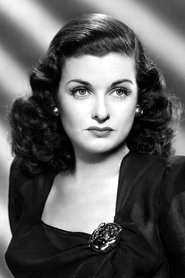
Joan Bennett
Actor
Born: February 27, 1910 in Palisades, New Jersey, USA Died: December 7, 1990 Active: 1929-1982 Birth Name: Joan Geraldine Bennett
Films
4 films
About Joan Bennett
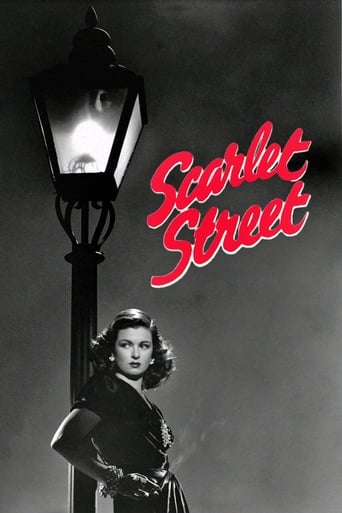
American actress: three decades, from the silent era through the Golden Age of Hollywood. Born into a prominent acting family, she made her film debut in 1929 and quickly established herself as a versatile performer, transitioning seamlessly from silent films to talkies. Bennett's career reached its zenith in the 1940s when she became a leading lady in film noir, particularly through her collaborations with director Fritz Lang in films like 'The Woman in the Window' and 'Scarlet Street.' Her transformation from a blonde ingenue to a sophisticated brunette in the mid-1940s revitalized her career and made her recognizable faces of film noir. After a personal scandal in 1951 involving her husband shooting her agent, her film career declined, though she successfully transitioned to television with the popular gothic soap opera 'Dark Shadows' in the 1960s. Bennett appeared in over 70 films throughout her career, showcasing remarkable range from light comedies to dark psychological thrillers. Her final film appearance was in 1982, marking the end of a remarkable journey through Hollywood's changing landscape.
The Craft
On Screen
Bennett was known for her naturalistic acting style that evolved with the changing times of cinema. In her early blonde period, she embodied the effervescent, sophisticated comedy style popular in the 1930s. After her transformation to brunette, she developed a more nuanced, psychologically complex approach perfect for film noir, often playing femmes fatales with underlying vulnerability. Her screen presence combined elegance with an underlying tension that made her particularly effective in suspenseful roles.
Milestones
- Transition from silent films to talkies in the late 1920s
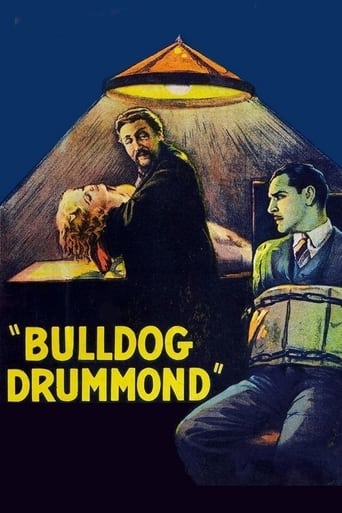
- Breakthrough role in 'Bulldog Drummond' (1929)
- Iconic transformation from blonde to brunette in 1949
- Collaboration with director Fritz Lang on multiple film noirs
- Star of the gothic soap opera 'Dark Shadows' (1966-1971)
- Hollywood Walk of Fame star dedication in 1960
Best Known For
Iconic Roles
Must-See Films
Accolades
Won
- Hollywood Walk of Fame Star (1960)
- TV Land Award for Favorite Madam (2004, posthumous for 'Dark Shadows')
Nominated
- Emmy Award nomination for Outstanding Continued Performance by an Actress in a Leading Role (1968, for 'Dark Shadows')
Special Recognition
- Star on the Hollywood Walk of Fame at 6310 Hollywood Blvd
- Inducted into the New Jersey Hall of Fame (2011, posthumous)
Working Relationships
Worked Often With
Studios
Why They Matter
Impact on Culture
Joan Bennett significantly influenced the film noir genre through her iconic portrayals of complex, morally ambiguous women. Her transformation from blonde to brunette in 1949 became a cultural phenomenon, demonstrating how physical transformation could revitalize an actress's career and public image. As Elizabeth Collins Stoddard in 'Dark Shadows,' she became a pioneer in television gothic drama, helping establish the template for supernatural soap operas that would follow for decades. Bennett's career trajectory also reflected the changing roles of women in Hollywood, from the glamorous ingenue of the 1930s to the sophisticated, independent woman of the 1940s and 1950s.
Lasting Legacy
Joan Bennett's legacy endures through her influential work in film noir and her groundbreaking role in television's 'Dark Shadows.' She is remembered as. Her collaboration with Fritz Lang produced some of the most significant American film noirs of the 1940s. The scandal that rocked her personal life in 1951 also became part of Hollywood lore, illustrating the intense public scrutiny faced by stars of that era. Today, film scholars and classic cinema enthusiasts continue to celebrate Bennett's contributions to American cinema, particularly her ability to embody the complexity of modern womanhood on screen.
Who They Inspired
Bennett influenced subsequent generations of actresses through her demonstration of career longevity and adaptability. Her success in transitioning from film to television in the 1960s provided a model for other aging film stars. Her portrayals in film noir influenced later actresses playing femme fatale roles, particularly in how she combined glamour with psychological depth. The character of Elizabeth Collins Stoddard became an archetype for the sophisticated, mysterious matriarch in gothic television dramas, influencing shows like 'Twin Peaks' and 'American Horror Story.'
Off Screen
Joan Bennett was married three times and had four children. Her first marriage to Gene Markey lasted from 1926 to 1930. She married film producer Walter Wanger in 1940, with whom she had two daughters. This marriage ended in scandal in 1951 when Wanger shot Bennett's agent, Jennings Lang, after discovering their affair. Despite the incident, they reconciled and remained married until 1965. Her third marriage was to David Wilde in 1978, which lasted until her death. Bennett was also the sister of actresses Constance and Barbara Bennett, continuing a family legacy in entertainment.
Education
Studied at Miss Porter's School in Farmington, Connecticut; attended Chapin School in New York City
Family
- Gene Markey (1926-1930)
- Walter Wanger (1940-1965)
- David Wilde (1978-1990)
Did You Know?
- Was part of three generations of actresses in her family - mother Adrienne Morrison, sisters Constance and Barbara, and daughter Shelley
- Changed from blonde to brunette in 1949 on the advice of husband Walter Wanger, which revitalized her career
- The 1951 scandal where her husband shot her agent became one of Hollywood's most notorious incidents
- Was originally considered for the role of Scarlett O'Hara in 'Gone with the Wind'
- Spoke fluent French and often entertained French dignitaries with her husband
- Was a licensed pilot and enjoyed flying in her personal time
- Her distinctive voice made her popular in radio dramas during the 1940s
- Was a close friend of Bette Davis, though they never appeared in a film together
- Turned down the lead role in 'Laura' (1944), which went to Gene Tierney
- Was an accomplished painter and her artwork was exhibited in Los Angeles galleries
In Their Own Words
I've been very lucky. I've had a wonderful career and I've worked with some of the greatest people in the business.
Being a brunette changed my whole career. Suddenly I wasn't the pretty blonde anymore, I was the mysterious woman.
Film noir was perfect for me because it allowed women to be complex, not just good or bad, but somewhere in between.
Television saved my career when film roles became scarce. 'Dark Shadows' gave me a whole new audience.
The scandal nearly destroyed me, but Walter and I worked through it. Love can survive anything if you both want it to.
Frequently Asked Questions
Who was Joan Bennett?
Prominent American actress who starred in films from the silent era through the Golden Age of Hollywood, known for her work in film noir and later for her role in the TV series 'Dark Shadows.' She appeared in over 70 films and was part of the famous Bennett acting family.
What films is Joan Bennett best known for?
Titles linked here include Scarlet Street (1945), The Woman in the Window (1944).
When was Joan Bennett born and when did she die?
Born February 27, 1910; died December 7, 1990.
What awards did Joan Bennett win?
While Bennett never received an Academy Award nomination, she earned a star on the Hollywood Walk of Fame in 1960 and received an Emmy nomination for her work on 'Dark Shadows' in 1968. She was posthumously inducted into the New Jersey Hall of Fame in 2011.
What was Joan Bennett's acting style?
Bennett's acting style evolved from the effervescent blonde ingenue of the 1930s to the sophisticated, psychologically complex brunette of film noir. She was known for her naturalistic approach and ability to convey underlying vulnerability beneath glamorous exteriors, making her particularly effective in suspenseful roles.
Why did Joan Bennett change from blonde to brunette?
Bennett transformed from blonde to brunette in 1949 on the advice of her husband Walter Wanger, who felt it would make her stand out from other blonde actresses. The change revitalized her career and led to her most successful period in film noir.
What was the 1951 scandal involving Joan Bennett?
In 1951, Bennett's husband Walter Wanger shot her agent Jennings Lang in a jealous rage after discovering their affair. Wanger served four months in prison, and while the scandal damaged Bennett's film career, she and Wanger eventually reconciled and remained married until 1965.