Films
1 film
About Stan Levitt
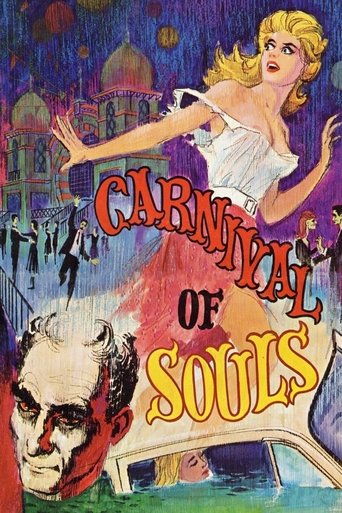
American actor: brief film career is primarily remembered for his appearance in the cult classic horror film 'Carnival of Souls' (1962). His role in the film, though small, contributed to the eerie atmosphere that has made the movie a enduring favorite among horror enthusiasts. Levitt's performance came during the early 1960s, a transitional period in American cinema when independent productions were gaining traction. His work in 'Carnival of Souls' represents his only known film credit, making him a one-film actor in the classic cinema canon. The film itself was produced on a modest budget in Kansas and has since gained recognition as a significant work of psychological horror. Levitt's contribution, though limited to this single production, places him within the history of American independent cinema.
The Craft
On Screen
Based on his appearance in 'Carnival of Souls', Levitt demonstrated a naturalistic acting style typical of the early 1960s independent film movement, contributing to the film's documentary-like feel and unsettling atmosphere.
Milestones
- Appeared in the cult classic 'Carnival of Souls' (1962)
Best Known For
Iconic Roles
Must-See Films
Working Relationships
Worked Often With
Why They Matter
Impact on Culture
Stan Levitt's cultural impact is primarily tied to his participation in 'Carnival of Souls', a film that has gained significant cult status over the decades. Though his role was minor, he contributed to a film that has influenced generations of horror filmmakers and become a touchstone of psychological horror cinema. The film's distinctive atmosphere and unsettling narrative have made it a subject of academic study and film appreciation, with Levitt being part of this enduring legacy.
Lasting Legacy
Stan Levitt's legacy exists as part of the ensemble that created 'Carnival of Souls',. While his individual contribution was small, the film itself has been referenced and homaged by numerous filmmakers, including George A. Romero and David Lynch. His participation in this landmark of cult cinema ensures his place in film history, however minor.
Who They Inspired
As a supporting actor in a single influential film, Stan Levitt's direct influence on other actors or filmmakers is difficult to trace, though his work contributed to the overall impact of 'Carnival of Souls' on the horror genre and independent filmmaking.
Off Screen
Very little information is available about Stan Levitt's personal life, as he was not a prominent public figure and had a very brief film career.
Did You Know?
- 'Carnival of Souls' was filmed on location in Salt Lake City, Utah, and at the Saltair amusement pavilion
- The film was made on a budget of only $33,000 but has since become
- Stan Levitt was one of many local Utah actors cast in the production
- The film was not successful upon its initial release but gained cult status through late-night television screenings
- Director Herk Harvey also played the main antagonist 'The Man' in the film
- The film's distinctive organ score was composed by Gene Moore and became one of its most memorable elements
- 'Carnival of Souls' has been preserved in the National Film Registry for its cultural significance
Frequently Asked Questions
Who was Stan Levitt?
American with credits in this catalog. His career appears to have been limited to this single film role, making him a one-film actor who contributed to a significant work of independent cinema.
What films is Stan Levitt best known for?
Titles linked here include Carnival of Souls (1962).
When was Stan Levitt born and when did he die?
Specific birth and death dates for Stan Levitt are not publicly available, as he was not a prominent public figure and had a very brief film career limited to 1962.
What awards did Stan Levitt win?
Stan Levitt did not receive any known awards or nominations for his work, as his film career consisted of a minor role in a single independent production.
What was Stan Levitt's acting style?
Based on his performance in 'Carnival of Souls', Levitt employed a naturalistic acting style that contributed to the film's documentary-like feel and unsettling atmosphere, typical of early 1960s independent American cinema.