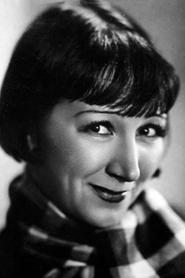
Rina Zelyonaya
Actor
Born: November 7, 1901 in Tsarskoye Selo, Russian Empire (now Pushkin, Saint Petersburg, Russia) Died: April 1, 1991 Active: 1920s-1980s Birth Name: Raya Alexandrovna Zelenaya
Films
3 films
About Rina Zelyonaya
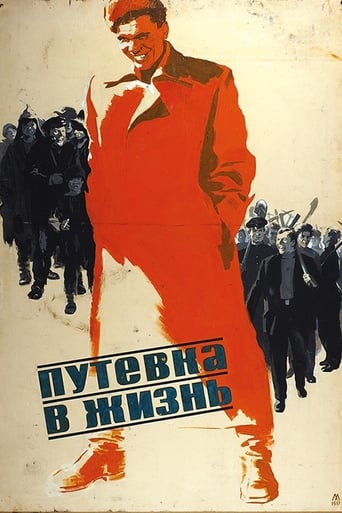
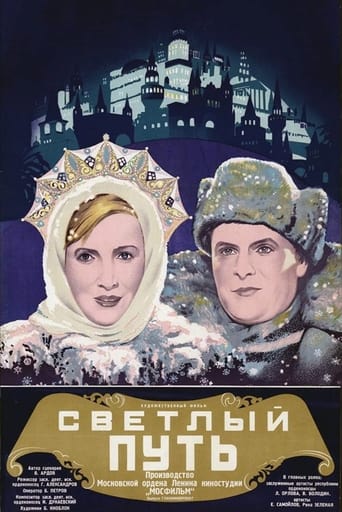
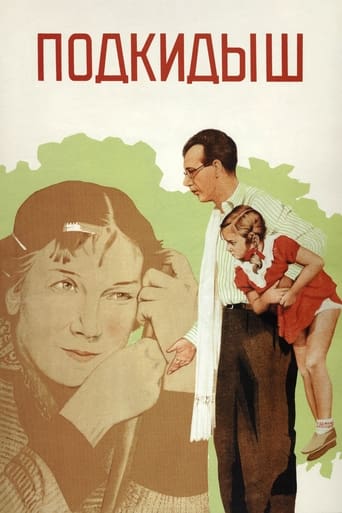
Rina Zelyonaya, born Raya Alexandrovna Zelenaya, was a celebrated Soviet actress whose over five decades from the 1920s through the 1980s. She began her artistic journey in theater before transitioning to cinema, where she quickly established herself as one of Soviet cinema's most distinctive character actresses. Zelyonaya gained particular fame for her comedic roles and eccentric characterizations, becoming instantly recognizable to Soviet audiences with her unique appearance and timing. Her breakthrough came with her role in the acclaimed film 'Road to Life' (1931), which established her as a significant talent in the emerging Soviet film industry. Throughout the 1930s and 1940s, she appeared in numerous films that would become classics of Soviet cinema, including 'The Foundling' (1939) and 'The Shining Path' (1940). Her contributions to Soviet arts were formally recognized when she was honored as a People's Artist of the RSFSR in 1969, the highest artistic distinction in the Russian Soviet Federative Socialist Republic. Zelyonaya continued performing well into her later years, maintaining her popularity across multiple generations of Soviet viewers until her death in 1991 at age 89.
The Craft
On Screen
Zelyonaya was renowned for her distinctive comedic style, characterized by her ability to create memorable eccentric characters through physical comedy, expressive facial features, and impeccable timing. She specialized in playing quirky, often matronly figures who combined humor with underlying warmth and humanity. Her performances were marked by a naturalistic approach that made even her most exaggerated characters feel authentic and relatable to Soviet audiences.
Milestones
- Theater debut in the 1920s
- Film breakthrough in 'Road to Life' (1931)
- Starring role in 'The Foundling' (1939)
- Critical acclaim for 'The Shining Path' (1940)
- Honored as People's Artist of the RSFSR (1969)
- Decades-long career in both theater and film
- Recognition as one of Soviet cinema's premier character actresses
Best Known For
Iconic Roles
Must-See Films
Accolades
Won
- People's Artist of the RSFSR (1969)
- Order of the Badge of Honor
- Honored Artist of the RSFSR
Nominated
- Various Soviet film festival recognitions
Special Recognition
- People's Artist of the RSFSR (1969)
- Honored Artist of the RSFSR
- Order of the Badge of Honor
- Recognition as a figure in Soviet theater and cinema
Working Relationships
Worked Often With
Studios
Why They Matter
Impact on Culture
Rina Zelyonaya significantly influenced Soviet popular culture through her memorable character performances that became embedded in the collective memory of Soviet audiences. Her work helped establish the archetype of the eccentric but lovable character actress in Soviet cinema, paving the way for future generations of performers. She represented the ideal of the dedicated Soviet artist who could combine popular appeal with artistic integrity, contributing to the development of a uniquely Soviet approach to character acting. Her films continue to be studied as examples of classic Soviet cinema, and her performances are analyzed for their technical skill and cultural significance.
Lasting Legacy
Rina Zelyonaya's legacy endures through her extensive filmography and her impact on Soviet theatrical traditions. She is remembered as. Her performances continue to be appreciated by film historians and classic cinema enthusiasts, serving as important examples of Soviet acting techniques and comedic styles. The honors she received, particularly her designation as a People's Artist, reflect the high esteem in which she was held by both the Soviet state and the public.
Who They Inspired
Zelyonaya influenced subsequent generations of Soviet and Russian actors through her distinctive approach to character comedy and her dedication to the craft of acting. Her ability to create fully realized eccentric characters set a standard for character acting in Soviet cinema. Many later Soviet actresses cited her work as an inspiration for developing their own unique character portrayals. Her techniques for combining humor with genuine emotion became part of the standard toolkit for Soviet comedic performers.
Off Screen
Rina Zelyonaya married fellow actor Nikolai Khoshchinsky, with whom she shared both personal and professional life. Their marriage was notable in Soviet theatrical circles as both were respected performers. The couple had one daughter together, who also pursued a career in the arts. Zelyonaya was known for her dedication to her craft and maintained a relatively private personal life despite her public fame. She was deeply committed to Soviet theater and film culture throughout her life, often mentoring younger performers and contributing to the artistic community.
Education
Studied at theatrical institutes in the Soviet Union, though specific educational institutions are not widely documented in available sources
Family
- Nikolai Khoshchinsky
Did You Know?
- Her stage name 'Rina' was a variation of her birth name 'Raya'
- She was particularly known for her distinctive facial expressions and comedic timing
- Despite her fame, she remained humble and dedicated to her craft throughout her career
- She continued performing well into her 80s, demonstrating remarkable longevity in her career
- Her films were regularly shown on Soviet television, making her a household name
- She was one of the few actresses who successfully transitioned from silent films to talkies in Soviet cinema
- Her role in 'Road to Life' was particularly significant as it was one of the first Soviet sound films to gain international recognition
- She was known for her professionalism and reliability on set, often being called upon for difficult character roles
- Her distinctive appearance made her
- She often played characters who were older than her actual age, demonstrating her versatility as an actress
In Their Own Words
Acting is not just playing a role, it's becoming someone else completely
In comedy, timing is everything - a second too early or too late and the magic is lost
The best characters are those who make people laugh while also touching their hearts
Frequently Asked Questions
Who was Rina Zelyonaya?
Celebrated Soviet actress known for her distinctive comedic character roles in both theater and film from the 1920s through the 1980s. She became.
What films is Rina Zelyonaya best known for?
Titles linked here include Road to Life (1931), The Foundling (1939).
When was Rina Zelyonaya born and when did she die?
Born November 7, 1901; died April 1, 1991.
What awards did Rina Zelyonaya win?
Rina Zelyonaya received several prestigious honors, including being named a People's Artist of the RSFSR in 1969, the highest artistic distinction in the Russian Soviet Federative Socialist Republic. She also was honored as an Honored Artist of the RSFSR and received the Order of the Badge of Honor for her contributions to Soviet culture.
What was Rina Zelyonaya's acting style?
Rina Zelyonaya was renowned for her distinctive comedic style, characterized by eccentric character portrayals, expressive facial features, and impeccable comedic timing. She specialized in creating memorable quirky characters who combined humor with genuine warmth and humanity, making her performances both entertaining and emotionally resonant.
How did Rina Zelyonaya influence Soviet cinema?
Rina Zelyonaya significantly influenced Soviet cinema by helping establish the archetype of the eccentric character actress and setting standards for comedic performance. Her work contributed to the development of Soviet comedy cinema and influenced subsequent generations of actors who sought to combine popular appeal with artistic integrity in their character portrayals.