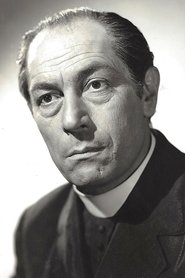
Frank Puglia
Actor
Born: March 9, 1898 in Linguaglossa, Sicily, Italy Died: October 25, 1975 Active: 1921-1968 Birth Name: Francesco Puglia
Films
5 films


About Frank Puglia
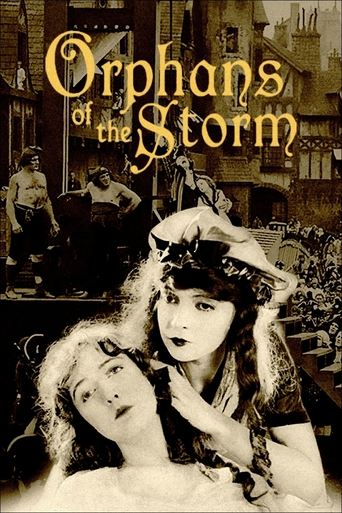
Italian-American character actor: over five decades, beginning in the silent era and continuing through the Golden Age of Hollywood. Born in Sicily, Italy, he immigrated to the United States as a child and began his acting career in silent films, making his debut in D.W. Griffith's 'Orphans of the Storm' (1921). Puglia quickly established himself as a versatile character actor, though he was often typecast in ethnic roles, particularly Italian, Spanish, or other Mediterranean characters. Throughout the 1930s and 1940s, he appeared in more than 200 films, working with major studios including MGM, Warner Bros., and Paramount Pictures. His distinctive appearance and accent made him a recognizable presence in Hollywood, often playing villains, authority figures, or comic relief characters. Despite being frequently typecast, Puglia brought depth and nuance to his roles, earning respect from directors and fellow actors. His career continued into the 1960s with appearances in television series, cementing his legacy as one of Hollywood's most prolific character actors. Puglia's journey from a Sicilian immigrant to a successful Hollywood actor exemplifies the American dream and the important role ethnic actors played in shaping classic cinema.
The Craft
On Screen
Puglia was known for his authentic ethnic portrayals and distinctive accent, which he used to great effect in character roles. His acting style combined theatrical gravitas with naturalistic emotion, allowing him to excel in both dramatic and comic roles. He had a commanding presence that made him effective as authority figures, yet could also convey vulnerability and warmth when required. His ability to switch between languages and dialects made him invaluable in international productions and films requiring authentic ethnic representation.
Milestones
- Film debut in D.W. Griffith's 'Orphans of the Storm' (1921)
- Transition from silent films to talkies
- Appeared in over 200 films during his career
- Memorable role as the Indian guide in 'Jungle Book' (1942)
- Frequent collaboration with major Hollywood directors
- Successful transition to television in the 1950s-60s
Best Known For
Iconic Roles
Must-See Films
Accolades
Special Recognition
- Hollywood Walk of Fame Star (located at 6284 Hollywood Boulevard)
Working Relationships
Worked Often With
Studios
Why They Matter
Impact on Culture
Frank Puglia played a significant role in representing Italian and Mediterranean characters in American cinema during a period when ethnic representation was limited. His career helped pave the way for other Italian-American actors in Hollywood, demonstrating that ethnic actors could have long, successful careers in mainstream American films. Puglia's work contributed to the gradual diversification of Hollywood casting, though he was still constrained by the era's typecasting practices. His presence in major films helped normalize the inclusion of ethnic characters in American cinema, particularly during the studio system era.
Lasting Legacy
Frank Puglia's legacy endures as one of Hollywood's most prolific and recognizable character actors from the Golden Age. With over 200 film appearances, he created a template for ethnic character actors that would influence generations of performers. His ability to maintain a steady career across multiple decades, from silent films through the television era, demonstrates remarkable adaptability and professionalism. Puglia's work continues to be studied by film historians interested in ethnic representation in classic Hollywood cinema, and his performances remain beloved by classic film enthusiasts who appreciate the craft of character acting.
Who They Inspired
Puglia influenced subsequent generations of ethnic character actors by demonstrating that it was possible to build a substantial career playing authentic ethnic roles without compromising one's cultural identity. His success showed studios that audiences would accept and appreciate authentic ethnic performances, gradually opening doors for more diverse casting. Younger Italian-American actors often cited Puglia as an inspiration for maintaining cultural authenticity while achieving mainstream success in Hollywood.
Off Screen
Frank Puglia married his wife Irene in the 1920s, and they remained together until his death in 1975. The couple had one son, Frank Puglia Jr., who also pursued a career in entertainment. Despite his busy acting schedule, Puglia maintained strong family ties and was known for his generosity within the Italian-American community in Hollywood. He was fluent in both Italian and English, which helped him maintain connections to his heritage while successfully assimilating into American culture. Puglia was also known for his professionalism and reliability on set, making him a favorite among directors who needed dependable character actors.
Education
Limited formal education; learned acting through practical experience in silent films and theater productions
Family
- Irene Puglia (1920s-1975)
Did You Know?
- Born Francesco Puglia in Sicily, he shortened his name to Frank for American audiences
- Appeared in over 200 films during his 47-year career
- Was frequently typecast as Italian, Spanish, or other Mediterranean characters
- Spoke fluent Italian, English, and Spanish, making him valuable for international productions
- Often played villains or authority figures due to his commanding presence
- Worked with virtually every major studio during Hollywood's Golden Age
- Made a successful transition from silent films to talkies
- Was a member of the Screen Actors Guild from its early years
- Received a star on the Hollywood Walk of Fame for his contributions to film
- Continued acting well into his 60s, appearing in television series in the 1960s
In Their Own Words
As an actor, you must be true to your character, no matter how small the role
Being typecast is not always bad - it means you're good at something people want to see
I never minded playing the villain - someone has to make the hero look good
From Sicily to Hollywood, it's been quite a journey, but I wouldn't change a thing
Frequently Asked Questions
Who was Frank Puglia?
Screen credits include over 200 films from the silent era through the Golden Age of Hollywood. Born in Sicily in 1898, he became known for playing ethnic characters, particularly Italian and Spanish roles, in major Hollywood productions.
What films is Frank Puglia best known for?
Titles linked here include Orphans of the Storm (1921), Jungle Book (1942).
When was Frank Puglia born and when did he die?
Born March 9, 1898; died October 25, 1975.
What awards did Frank Puglia win?
While Frank Puglia did not receive major acting awards during his lifetime, he was honored with a star on the Hollywood Walk of Fame for his contributions to the film industry. His recognition came primarily through the respect of his peers and his prolific career as a character actor.
What was Frank Puglia's acting style?
Puglia was known for his authentic ethnic portrayals, distinctive accent, and commanding presence. He excelled at playing authority figures and villains, bringing theatrical gravitas combined with naturalistic emotion to his roles. His ability to speak multiple languages and dialects made him invaluable for ethnic character roles.
How did Frank Puglia influence Hollywood?
Puglia helped pave the way for Italian-American actors in Hollywood, demonstrating that ethnic performers could have substantial careers in mainstream cinema. His success showed studios that audiences appreciated authentic ethnic performances, gradually contributing to more diverse casting practices in Hollywood films.
Did Frank Puglia work with famous directors?
Yes, Frank Puglia worked with many legendary directors including D.W. Griffith (who gave him his first role), Cecil B. DeMille, Michael Curtiz, and others. His versatility and professionalism made him a favorite among directors who needed reliable ethnic character actors.