Films
2 films
About Maria Alba
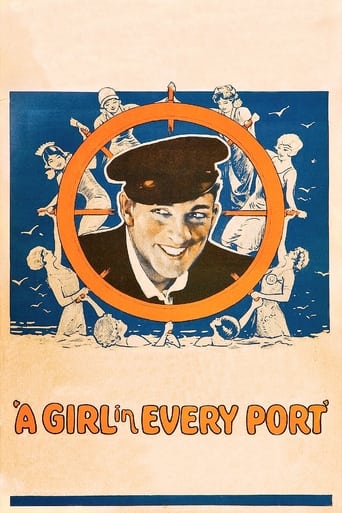
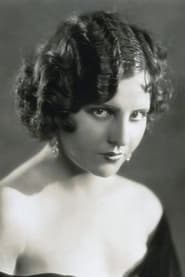
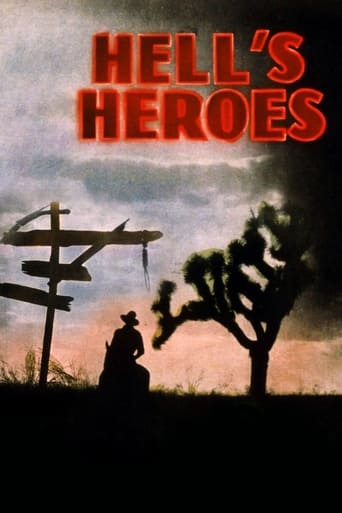
Made a brief but memorable mark in Hollywood at the end of the 1920s. She is best remembered today for appearing in Raoul Walsh's desert saga A Girl in Every Port (1928) and for her role in the John Ford western Hell's Heroes (1930), two films that place her squarely in the transition from silent cinema to talkies. Like many European actresses brought into American productions during the 1920s, she was cast largely for her striking screen presence and exoticized romantic image rather than for a long-running star persona built through publicity and repeated leading roles. Her surviving filmography is small, suggesting that her career in U.S. Pictures was short-lived and that she did not remain a major studio player into the sound era. Because of this, much of her life after her film work is obscure in standard reference sources, and there is limited public documentation about her personal life. Even so, her appearances in two historically significant films ensure that she remains a recognizable name to scholars and enthusiasts of classic Hollywood and early sound westerns. Her career is a good example of the many international performers who briefly circulated through American cinema during the silent-to-sound transition and then receded from the historical record.
The Craft
On Screen
Based on the limited surviving record of her work, Maria Alba appears to have fit the late silent-era mold of a screen actress valued for expressive facial presence, poise, and photogenic appeal. In the silent period and early sound transition, performers like her were often cast in roles that relied on visual charisma and a convincing screen persona more than heavily written dialogue scenes. Her parts in major studio films suggest a style suited to atmosphere, romantic interest, or colorful supporting presence rather than broad theatrical display. Because so few performances are extant in the public consciousness, her technique is best characterized as economical, decorative, and effective within ensemble storytelling.
Milestones
- Appeared in Raoul Walsh's A Girl in Every Port (1928), a key late-silent-era film starring Victor McLaglen and Louise Brooks.
- Appeared in John Ford's Hell's Heroes (1930), one of the notable early sound westerns and a transitional film in Ford's career.
- Worked in Hollywood during the late silent to early talkie transition, a period when many European performers were introduced to American audiences.
- Established a screen identity associated with compact but distinctive supporting and featured roles in major studio productions.
Best Known For
Iconic Roles
Must-See Films
Working Relationships
Worked Often With
Studios
Why They Matter
Impact on Culture
Maria Alba's cultural impact lies less in celebrity than in representation: she is part of the wave of international performers who helped give late silent-era Hollywood a cosmopolitan look and feel. Her presence in A Girl in Every Port and Hell's Heroes connects her to two important traditions in American cinema, the rough-hewn masculine adventure film and the evolving western. Even with a small body of work, she contributes to the historical texture of studio-era filmmaking, especially the way studios used European actresses to broaden the romantic and visual appeal of their productions. For historians, she is valuable as a reminder that classic cinema was built not only by major stars but also by short-lived screen presences whose images still survive in key films.
Lasting Legacy
Maria Alba's lasting legacy is largely archival and historical rather than star-driven. She remains a name of interest because her film appearances intersect with important directors and transitional moments in American film history, particularly the move from silent cinema to early sound filmmaking. Her brief career illustrates how many actors of the era were visible in a few notable pictures but disappeared from the mainstream record soon afterward. For modern viewers and researchers, she stands as a representative of the many under-documented performers whose contributions still matter to the overall history of classic Hollywood.
Who They Inspired
There is no strong evidence that Maria Alba directly influenced later generations of actors in a documented, personal sense. Her influence is better understood indirectly, through the kind of casting tradition she represents: the use of continental, particularly Spanish or broader European, actresses in supporting and romantic roles in American genre films. In that sense, she participated in a model of screen femininity that continued throughout classic Hollywood, where visual allure and international mystique were often part of an actress's appeal. Her work also belongs to the broader lineage of silent-era performers who had to adapt, or whose careers ended, during the sound transition.
Off Screen
Very little reliable public information survives about Maria Alba's personal life, family background, or later years. Unlike major stars of the period, she does not appear to have left behind a widely documented private life in standard film reference sources. As a result, details about marriages, children, and post-career activities are not readily confirmed from accessible classic-cinema records. Her obscurity outside of her film appearances is typical of many working actors from the silent era whose careers were brief and whose personal histories were not extensively publicized.
Did You Know?
- She is Maria Alba appeared in two historically important films made at the end of the silent era and the beginning of the sound era.
- A Girl in Every Port (1928) is often discussed as one of Raoul Walsh's key late-silent films.
- Hell's Heroes (1930) is notable as an early sound western directed by John Ford.
- Her available screen record is extremely small, which makes her a classic example of a fleeting studio-era performer.
- She appears to have been Spanish-born, making her part of the international talent pool that Hollywood drew on in the 1920s.
- Because her career was brief, there is relatively little surviving biographical information compared with more famous contemporaries.
- Her filmography is especially useful to historians because it links her to two major directors of American genre cinema.
Frequently Asked Questions
Who was Maria Alba?
Spanish-born actress who worked briefly in Hollywood during the late silent and early sound era. She is best remembered for appearances in A Girl in Every Port (1928) and Hell's Heroes (1930), both of which are significant films from the period.
What films is Maria Alba best known for?
Titles linked here include A Girl in Every Port (1928), Hell's Heroes (1930).
When was Maria Alba born and when did she die?
Her exact birth and death dates are not readily confirmed in standard accessible film references. Because of that, both dates are best treated as unavailable unless new archival documentation is found.
What awards did Maria Alba win?
No awards or major nominations are documented for Maria Alba in the surviving classic-cinema record. Her importance is historical and filmographic rather than award-based.
What was Maria Alba's acting style?
Her screen work suggests a late silent-era style emphasizing poise, expressive presence, and visual appeal. She seems to have been cast in roles that benefited from atmosphere and screen charisma rather than highly theatrical dialogue performance.
What is Maria Alba's legacy in film history?
Her legacy lies in her place within the transition from silent films to early talkies and her association with major directors like Raoul Walsh and John Ford. She also represents the many under-documented international performers whose work helped shape classic Hollywood.