Fano Messan
Actor
- Born
- February 18, 1902, Tarbes, France
- Died
- February 11, 1998
- Active
- 1918-1934
Films 1
About Fano Messan
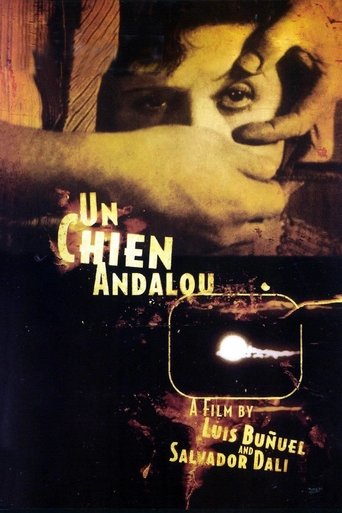
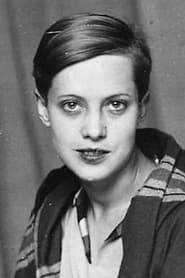
Fano Messan was a multifaceted French artist, sculptor, and model who became an indelible figure in the Parisian avant-garde scene of the 1920s. Born in Tarbes, she moved to Paris as a teenager to pursue sculpture, famously disguising herself as a man to gain entry into male-only workshops, including that of the Martel brothers. Her striking androgynous appearance and bold fashion choices—often wearing suits and ties—made her a favorite subject for legendary photographers like Man Ray and painters such as Kees van Dongen. While primarily a visual artist, she earned cinematic immortality through her uncredited but pivotal role as the 'Androgynous Young Woman' in Luis Buñuel and Salvador Dalí’s surrealist masterpiece 'Un Chien Andalou' (1929). In the film, her character’s interaction with a severed hand and subsequent death in a street accident serve as some of the most analyzed sequences in film history. Messan continued her artistic practice for several decades, exhibiting at the Salon d'Automne and receiving critical acclaim for her modernist sculptures before fading from the public eye. She lived a long life, passing away in 1998 at the age of 95, leaving behind a legacy as a pioneer of gender-fluid expression in the early 20th-century art world.
More about Fano Messan
On screen
Non-professional, naturalistic, and physical; her performance relied heavily on her unique androgynous presence and the surrealist direction of Luis Buñuel.
Impact on culture
Fano Messan's impact lies in her early and fearless exploration of androgyny and gender fluidity. By appearing in 'Un Chien Andalou' as an ambiguous figure, she helped define the visual language of Surrealism, which sought to blur the lines between reality, dreams, and identity. Her presence in the film has been the subject of decades of psychoanalytic and feminist film theory, particularly regarding her character's symbolic role in the film's exploration of repression and desire. Beyond the screen, she was a living embodiment of the 'New Woman' of the 1920s, using her own body and fashion as a canvas for artistic rebellion.
Lasting legacy
Though her filmography is limited to a single appearance, she remains one of the most recognizable faces of the silent era's avant-garde movement. In the art world, she is remembered as a pioneering female sculptor who mastered modern materials like concrete. Her legacy was revitalized in the 21st century as art historians and film scholars began to re-examine the contributions of women to the Surrealist movement, moving her from the status of a 'muse' to that of a significant creator in her own right.
Who they inspired
She influenced the Surrealist circle's perception of gender and was a direct inspiration for the works of Man Ray and Kees van Dongen. Her androgynous aesthetic prefigured later cultural icons of gender-bending performance in cinema and fashion.
Off screen
Messan was a central figure in the bohemian Montparnasse district of Paris. She was known for her 'garçonne' style, frequently appearing in public and at art exhibitions dressed in masculine attire, which challenged the gender norms of the interwar period.
Education
École supérieure des beaux-arts de Toulouse; Industrial Technical School of Toulouse.
Career milestones
- Portrayed the iconic androgynous figure in the seminal surrealist film 'Un Chien Andalou' (1929).
- Exhibited the sculpture 'Androgyne' at the 1925 Salon d'Automne at the Grand Palais.
- Apprenticed in the prestigious sculpture studio of Jan and Joël Martel by posing as a man.
- Subject of a famous 1928 portrait by surrealist photographer Man Ray.
- Featured in a major 1929 portrait by the Fauvist painter Kees van Dongen.
- Commissioned to create decorative bas-reliefs for the Grand Hôtel in Aix-les-Bains and the Tabarin Ballroom in Geneva.
Iconic roles
- The Androgynous Young Woman in 'Un Chien Andalou' (1929)
Must-see films
- Un Chien Andalou (1929)
Special recognition
- Recognized by art critic Marcel Zahar in 1934 as one of the most promising young sculptors of her generation.
- Her work 'The Couple' (c. 1930) was rediscovered and sold for a significant sum at auction in 2023, renewing interest in her career.
Worked often with
- Luis Buñuel
- Salvador Dalí
- Man Ray
- Jan and Joël Martel
- Kees van Dongen
Studios
- Studio des Ursulines
- Les Grands Films Classiques
Did you know?
- She had to pretend to be a man to be allowed to work in sculpture workshops in Paris because women were often excluded from the craft at the time.
- In 1924, a Chicago Tribune journalist wrote an article titled 'The Latin Quarter has fun trying to determine the sex of Fano Messan.'
- Unlike her 'Un Chien Andalou' co-stars Pierre Batcheff and Simone Mareuil, who both tragically committed suicide, Messan lived a long life, reaching the age of 95.
- She was a skilled practitioner of 'mise au point,' a technical sculpture method she learned in Toulouse.
- Her portrait by Kees van Dongen sold for €165,000 at an auction in 2011.
- She famously kept her hair in a very short 'bob' or masculine cut, which was considered highly provocative in the early 1920s.
- She created a bronze bust of the painter Kees van Dongen in exchange for him painting her portrait.
Questions and answers
Who was Fano Messan?
Fano Messan was a French sculptor and artist who is best known for her role as the androgynous woman in the 1929 surrealist film 'Un Chien Andalou'. She was a prominent figure in the Paris art scene of the 1920s and was famous for her gender-defying fashion and collaborations with artists like Man Ray.
What is Fano Messan's most famous film?
Her only and most famous film is 'Un Chien Andalou' (1929), directed by Luis Buñuel and Salvador Dalí. Despite having no other film credits, her performance in this short film is considered a landmark of avant-garde cinema.
Was Fano Messan a professional actor?
No, she was primarily a sculptor and artist. She was cast by Buñuel because of her striking androgynous look, which fit the dreamlike and subversive themes of the surrealist movement.
When did Fano Messan die?
Fano Messan died on February 11, 1998, in Juvignac, France, at the age of 95. She outlived almost all of her contemporaries from the 1920s surrealist circle.
Why is Fano Messan important to film history?
She is important for representing gender ambiguity in early cinema. Her character in 'Un Chien Andalou' is central to the film's exploration of the subconscious, and she remains a key symbol of the intersection between the visual arts and early experimental film.