Solomon Mikhoels
Actor
Born: March 16, 1890 in Dvinsk, Russian Empire (now Daugavpils, Latvia) Died: January 12, 1948 Active: 1918-1948 Birth Name: Shloyme Mikhoels
Films
3 films
About Solomon Mikhoels
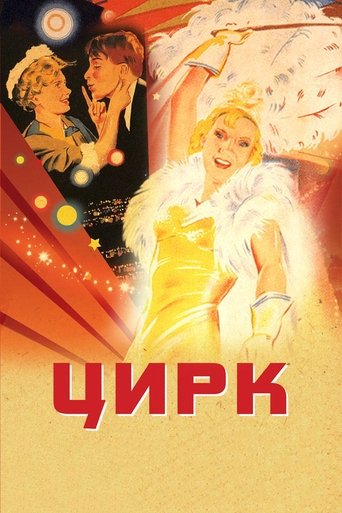
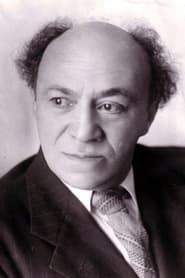
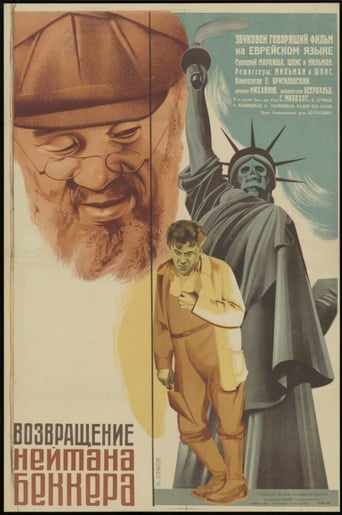
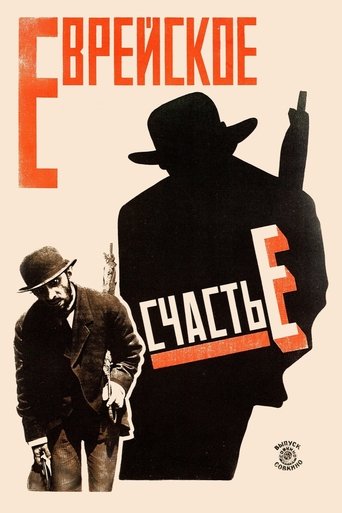
Towering figure in Soviet Jewish theater and cinema, born Shloyme Mikhoels in Dvinsk (now Daugavpils, Latvia) in 1890. He rose to prominence as the artistic director of the Moscow State Jewish Theater (GOSET) from 1928 until his death, transforming it into a cultural institution of international renown. Mikhoels made his mark in silent cinema with his breakthrough role in 'Jewish Luck' (1925), where he portrayed the character Benya Krik with remarkable depth and charisma. His film career continued into the early sound era with notable performances in 'The Return of Nathan Becker' (1932) and the Soviet classic 'Circus' (1936). Beyond his artistic achievements, Mikhoels served as a cultural ambassador, leading the Jewish Anti-Fascist Committee during World War II and meeting with international leaders including Albert Einstein and Charlie Chaplin. His career and life were tragically cut short in 1948 when he was murdered by Soviet secret police as part of Stalin's growing anti-Semitic campaign, making him a martyr for Jewish cultural preservation in the Soviet Union.
The Craft
On Screen
Mikhoels was known for his powerful, expressive acting style that combined elements of traditional Jewish theater with modern theatrical techniques. His performances were characterized by deep emotional resonance, physical expressiveness, and an ability to convey complex psychological states through subtle gestures and vocal modulation. On stage, he commanded attention with his commanding presence and ability to seamlessly transition between comedy and tragedy, often incorporating elements of Jewish folklore and cultural traditions into his characterizations.
Milestones
- Artistic Director of Moscow State Jewish Theater (GOSET) from 1928-1948
- Breakthrough film role in 'Jewish Luck' (1925)
- Leader of the Jewish Anti-Fascist Committee during WWII
- International cultural ambassador meeting with world leaders
- Recipient of the Order of Lenin and People's Artist of the USSR
Best Known For
Iconic Roles
Must-See Films
Accolades
Won
- People's Artist of the USSR (1939)
- Order of Lenin (1939)
- Order of the Red Banner of Labour (1937)
- Stalin Prize (1946, posthumously revoked)
Nominated
- Multiple Soviet state award nominations for theatrical achievements
Special Recognition
- Honored Artist of the RSFSR (1935)
- Moscow State Jewish Theater renamed in his honor (1948-1949)
Working Relationships
Worked Often With
Studios
Why They Matter
Impact on Culture
Solomon Mikhoels had a profound impact on both Soviet cinema and Jewish cultural preservation during a period of intense political pressure. His work in films like 'Jewish Luck' helped establish a distinctive Soviet Jewish cinema that balanced cultural specificity with universal themes. As director of GOSET, he created a cultural institution that preserved Yiddish language and Jewish artistic traditions while adapting them to Soviet ideological requirements. His leadership of the Jewish Anti-Fascist Committee during WWII demonstrated how cultural figures could serve as diplomatic bridges between the Soviet Union and international Jewish communities, though this very role ultimately contributed to his downfall during the post-war anti-Semitic campaigns.
Lasting Legacy
Mikhoels' legacy endures as a symbol of artistic integrity and cultural resistance in the face of political oppression. His murder in 1948 marked the beginning of Stalin's campaign against Jewish cultural institutions, making his death a pivotal moment in Soviet Jewish history. The Moscow State Jewish Theater continued to bear his name briefly before being closed by authorities, and his theatrical innovations influenced subsequent generations of Soviet and international theater artists. In post-Soviet Russia and independent Jewish communities worldwide, Mikhoels is remembered as a martyr for cultural freedom and artistic expression, with streets, theaters, and cultural institutions named in his honor.
Who They Inspired
Mikhoels influenced countless actors and directors through his synthesis of traditional Jewish theatrical forms with modern theatrical techniques. His approach to character development and ensemble acting became a model for minority theater productions throughout the Soviet Union. International theater companies studying Jewish performance traditions often reference Mikhoels' work as a bridge between folk theater and modern stagecraft. His films, particularly 'Jewish Luck,' influenced subsequent Soviet cinema dealing with ethnic and cultural themes, demonstrating how specific cultural stories could achieve universal appeal.
Off Screen
Mikhoels was deeply committed to Jewish cultural preservation and education throughout his life. He was married to Sarra Mikhoels and had two children, including his daughter Natalia who later became a prominent theater critic. Despite his high profile in Soviet cultural circles, he maintained strong connections to Jewish religious and cultural traditions, often hosting cultural gatherings at his Moscow home that brought together intellectuals, artists, and religious leaders.
Education
Graduated from Petrograd Drama School (1918), studied under Vsevolod Meyerhold and other prominent theatrical figures of the early Soviet period
Family
- Sarra Mikhoels (married 1916 until his death in 1948)
Did You Know?
- His birth name Shloyme means Solomon in Hebrew
- He spoke fluent Yiddish, Russian, and Hebrew
- During WWII, he toured the United States and Canada raising funds for the Soviet war effort
- His murder was disguised as a car accident until Khrushchev's de-Stalinization revelations
- Charlie Chaplin considered him one of the greatest actors he had ever seen
- He was a cousin of the famous physicist Lev Landau
- His daughter Natalia's testimony helped reveal the truth about his death
- GOSET under his direction premiered over 80 new plays
- He was one of the few Soviet cultural figures allowed to travel abroad during the 1930s
- His performance style influenced the method acting movement through his emphasis on psychological realism
In Their Own Words
The stage is not merely entertainment; it is the soul of our people expressed in light and shadow
When we perform, we carry thousands of years of Jewish history on our shoulders
Art must serve the people, but it must never become their servant
In every character I play, I carry a piece of my grandfather's stories
The theater is our last fortress against those who would erase our memory
Frequently Asked Questions
Who was Solomon Mikhoels?
Renowned Soviet Jewish actor and theater on YTB.my. He was a major cultural figure who preserved Jewish theatrical traditions while working within the Soviet system until his murder by Soviet authorities in 1948.
What films is Solomon Mikhoels best known for?
Titles linked here include Jewish Luck (1925), The Return of Nathan Becker (1932).
When was Solomon Mikhoels born and when did he die?
Born March 16, 1890; died January 12, 1948.
What awards did Solomon Mikhoels win?
Mikhoels received several of the Soviet Union's highest cultural honors, including People's Artist of the USSR (1939), the Order of Lenin (1939), and the Order of the Red Banner of Labour (1937). He was also awarded the Stalin Prize in 1946, though this was posthumously revoked after his death during the anti-Semitic purges.
What was Solomon Mikhoels' acting style?
Mikhoels was known for his powerful, emotionally resonant acting style that combined traditional Jewish theatrical techniques with modern psychological realism. His performances featured deep emotional depth, physical expressiveness, and an ability to convey complex cultural themes through subtle character work, making him.