
Saturday's Lesson
"A man dressed as the devil scares the gang into minding their mothers"
Keys: Space play/pause · ←/→ 10s · F fullscreen · M mute · </> speed
About this film
A man dressed as the devil scares the gang into minding their mothers.
Cast & crew
More films like this
More Comedy films
View all →







More from Robert F. McGowan
View all →

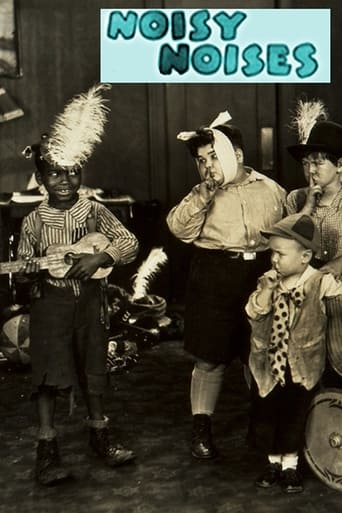
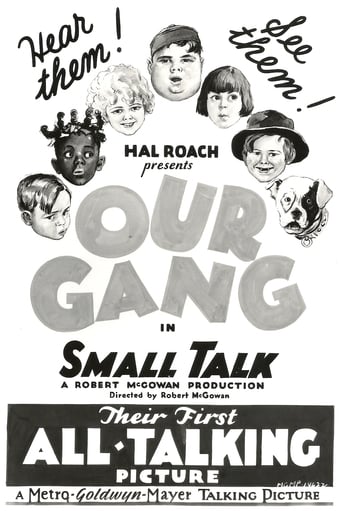
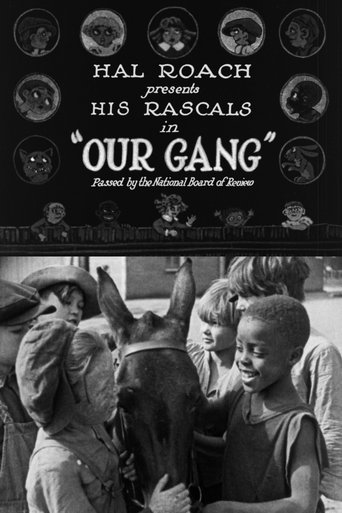
More about this film
About the production
Release dateJuly 6, 1929
BudgetApproximately $30,000
ProductionHal Roach Studios, Metro-Goldwyn-Mayer (MGM)
Filmed inHal Roach Studios, Culver City, California, Culver City backlot
This film was produced during the critical transition period between silent films and 'talkies.' While primarily a silent short with synchronized music and sound effects, it utilized the Western Electric sound-on-film system. Robert F. McGowan, the long-time director of the series, was known for his ability to coax natural performances out of children by making the set feel like a playground. The 'devil' costume used in the film was a recycled prop from the Hal Roach wardrobe department, modified to look more menacing for the child actors to ensure their reactions of fear were genuine.
Themes
Parental AuthorityChildhood RebellionFear as a TeacherConsequences of DisobedienceThe Power of Imagination
Themes & topics
devil costumebarnchoresscare comedymoral lessonSaturday morningchildhood mischief
Historical background
Released in 1929 during the late silent period, Saturday's Lesson reached audiences when exhibitors were still defining programming conventions. The narrative hook—A man dressed as the devil scares the gang into minding their mothers—reflects what contemporary producers thought would draw viewers.
Why this film matters
Saturday's Lesson remains discussed by archivists tracing how screen stories of its period represented work, desire, conflict, and social order. Its central situation—A man dressed as the devil scares the gang into minding their mothers—still prompts questions about genre conventions and audience expectations.
Making of
The production of 'Saturday's Lesson' was marked by the typical chaotic but creative atmosphere of the Hal Roach Studios. Director Robert F. McGowan often used 'off-camera' cues to get reactions from the children, sometimes using toys or even small firecrackers to startle them for the 'scare' scenes. The barn set was a permanent fixture on the Roach lot, frequently redressed for various shorts. Because this was a late-period silent, the crew had to be much quieter on set than in previous years to accommodate the new synchronized sound recording equipment that was being tested simultaneously for future 'talkie' episodes.
What critics said
Trade and newspaper notices for Saturday's Lesson generally emphasized casting, spectacle, and program fit rather than extended aesthetic argument. Retrospective screenings and archival notes continue to shape how viewers evaluate Saturday's Lesson today.
Did you know?
- This was the 88th Our Gang short produced and one of the final entries in the silent era of the franchise.
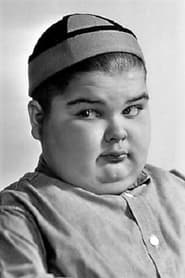
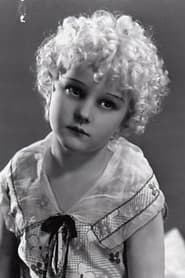
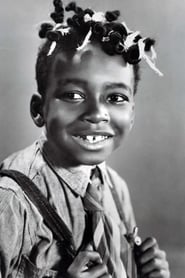
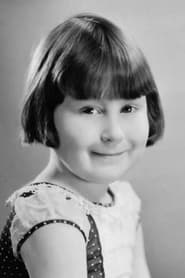
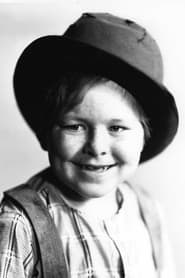
- The film features the iconic 'classic' lineup of the gang, including Joe Cobb, Jean Darling, and Allen 'Farina' Hoskins.
- The actor playing the 'Devil' is uncredited, but it is widely believed to be a studio stuntman or bit player frequently used by Hal Roach.
- Joe Cobb was nearing the end of his tenure with the gang at this time, as he was outgrowing the 'fat kid' role that made him famous.
- The film uses 'scare comedy,' a popular sub-genre of the 1920s that relied on characters being frightened by seemingly supernatural elements.
- Wheeler & Woolsey, a famous comedy duo, were filming on the adjacent lot during the production of this short.
- The title card 'Saturday's Lesson' refers to the common trope of children losing their weekend freedom due to misbehavior.
- Jean Darling later recalled that the devil costume was actually quite frightening to the younger children on set, even when the cameras weren't rolling.
Visual style
The film was shot by Art Lloyd, a mainstay of the Hal Roach Studios. The cinematography is characterized by high-key lighting for the outdoor scenes and moody, shadow-heavy lighting inside the barn to enhance the 'spooky' atmosphere. The use of medium shots allows the audience to see the expressive facial reactions of the children, which was the hallmark of the series' success.
Innovations
The film utilized the Western Electric sound-on-film process for its synchronized score, which was a significant technical step up from the older 'Vitaphone' sound-on-disc method. This allowed for better synchronization between the visual gags and the musical cues.
Music
The film featured a synchronized orchestral score provided by the MGM music department. It included whimsical, fast-paced themes for the chase sequences and low, ominous brass notes for the appearance of the devil. There is no spoken dialogue, but sound effects like crashing wood and thumping footsteps were synchronized to the action.
Famous quotes
Intertitle: 'Saturday morning—when a boy's mind turns to everything except work.'
Intertitle: 'If you don't behave, the Old Boy himself will come and get you!'
Memorable scenes
- The scene where the gang first enters the dark barn and sees the glowing eyes of the 'devil' in the corner.
- Joe Cobb's frantic attempt to squeeze through a small window to escape the barn.
- The final montage of the children working with exaggerated enthusiasm to prove they have been reformed.
What audiences thought
Audiences in 1929 greeted the film with enthusiasm, as the Our Gang shorts were staple attractions in movie palaces across the country. Children especially identified with the gang's desire to play on a Saturday instead of doing chores. The film remained a favorite in the Our Gang library when it was later packaged for television in the 1950s.
Film connections
Influenced by
- The 'Our Gang' formula established by Hal Roach in 1922
- Buster Keaton's use of physical space and props
- Victorian-era moral fables for children
This film influenced
- The Little Rascals (1994 remake)
- Home Alone (thematic elements of children outsmarting/fearing adults)
- Later Our Gang talkies like 'The Lucky Corner'
Film restoration
The film is preserved in the archives of the Library of Congress and the UCLA Film & Television Archive. It has been restored and released as part of comprehensive Our Gang DVD collections.
Where to watch
- Available on 'The Little Rascals: The Classic Flagg Collection' DVD
- Streaming on specialized classic film platforms like Turner Classic Movies (periodically)
- Public domain archives and YouTube