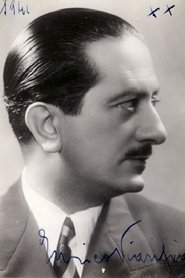
Enrico Guazzoni
Director
Born: September 18, 1876 in Rome, Italy Died: September 24, 1949 Active: 1908-1928
Films
7 films
About Enrico Guazzoni
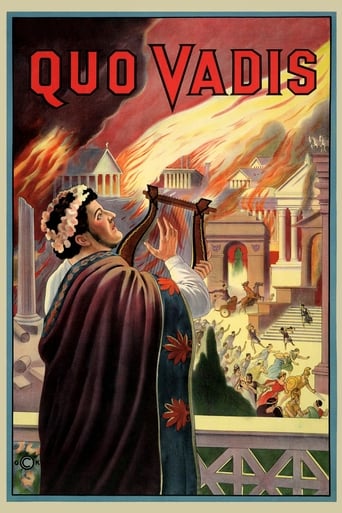
Italian film director who emerged as figures in the golden age of Italian silent cinema. He began his career in the early 1910s and quickly established himself excelled in historical spectacles and epic productions. Guazzoni's most celebrated works include the 'Quo Vadis?' (1913), which set new standards for cinematic grandeur and influenced international filmmaking. His films were characterized by their massive scale, elaborate sets, thousands of extras, and sophisticated visual storytelling techniques that pushed the boundaries of early cinema. Guazzoni worked primarily for the Italian film company Cines, where he developed his reputation for bringing historical and literary classics to the screen with unprecedented visual splendor. His career flourished during World War I, but like many European directors, his prominence waned with the rise of American cinema in the 1920s. Despite his relatively brief period of major activity, Guazzoni's contributions to the development of the historical epic genre on cinema history.
The Craft
Behind the Camera
Guazzoni was known for his grandiose, operatic directing style that emphasized visual spectacle and dramatic tableaux. His approach involved meticulously choreographed crowd scenes, elaborate set designs, and a painterly composition that drew from classical art and theater traditions. He pioneered techniques for managing thousands of extras and creating convincing historical environments on an unprecedented scale. Guazzoni's pacing was deliberate and theatrical, allowing for the full impact of his visual compositions while maintaining narrative clarity through expressive acting and intertitles.
Milestones
- Directed 'Quo Vadis?' (1913),
- Pioneered the use of massive crowd scenes and elaborate sets in silent cinema
- Adapted classical literature and historical subjects for the screen
- Helped establish Italian cinema's international reputation in the 1910s
- Worked with major Italian production company Cines during their peak years
Best Known For
Must-See Films
Accolades
Special Recognition
- Recognized as a figure in Italian cinema history
- Films preserved in the Cineteca Nazionale collection
- Cited as an influence on later historical epic directors
Working Relationships
Worked Often With
Studios
Why They Matter
Impact on Culture
Enrico Guazzoni played a crucial role in establishing Italian cinema as a major international force during the silent era. His historical epics, particularly 'Quo Vadis?', demonstrated that cinema could rival theater and opera in terms of artistic ambition and cultural significance. Guazzoni's films helped define the visual language of the historical epic genre, influencing filmmakers across Europe and America. His work contributed to Italy's reputation as a producer of lavish, artistically ambitious films that attracted international audiences and critical acclaim. The success of his spectacles encouraged other studios to invest in large-scale productions, elevating the artistic and commercial aspirations of the entire film industry.
Lasting Legacy
Guazzoni's legacy endures through his influence on the historical epic genre and his contributions to the visual vocabulary of cinema. His techniques for staging massive crowd scenes and creating convincing historical environments became standard practices in epic filmmaking. While many of his films have been lost, surviving works like 'Quo Vadis?' continue to be studied by film historians as examples of early cinema's artistic potential. Guazzoni is remembered as a key figure in the first golden age of Italian cinema, alongside contemporaries like Giovanni Pastrone and Luigi Maggi. His approach to adapting classical literature for the screen paved the way for later directors like Cecil B. DeMille and David Lean.
Who They Inspired
Guazzoni's grandiose visual style and approach to historical subjects directly influenced the development of the epic genre in international cinema. His work on 'Quo Vadis?' particularly impressed American filmmakers and contributed to the growing interest in biblical and historical epics in Hollywood. Directors such as D.W. Griffith studied Italian epics including Guazzoni's films when preparing for 'Intolerance' (1916). His techniques for managing large casts and creating spectacular set pieces became part of the standard toolkit for epic filmmakers throughout the 20th century. Even modern directors of historical films owe a debt to Guazzoni's work in establishing the visual and narrative conventions of the genre.
Off Screen
Enrico Guazzoni was born and raised in Rome, where he developed a deep appreciation for classical history and art that would later influence his filmmaking. He began his career as a painter and theater director before transitioning to the emerging medium of cinema. Guazzoni was part of the vibrant artistic community in Rome during the early 20th century, which included many pioneers of Italian cinema. His personal life remained relatively private, with most public attention focused on his professional achievements and contributions to the art of filmmaking.
Education
Studied art and painting in Rome before entering the film industry
Family
- Information not available
Did You Know?
- 'Quo Vadis?' (1913) was
- The film featured over 5,000 extras and massive sets that included a reconstructed ancient Rome
- Guazzoni's version of 'Quo Vadis?' predated the famous 1951 Hollywood version by nearly 40 years
- His films were particularly popular in the United States, helping establish Italian cinema's international reputation
- Many of Guazzoni's films have been lost due to the deterioration of nitrate film stock
- He was one of the first directors to use location shooting for historical authenticity
- Guazzoni's background in painting influenced his highly composed visual style
- His films often featured elaborate costume designs that were historically researched
- The success of his epics helped establish Rome as a major center of film production
- Guazzoni worked during what is now considered the first golden age of Italian cinema (1914-1920)
In Their Own Words
Information not available - Guazzoni was primarily a visual director and left few recorded statements
Frequently Asked Questions
Who was Enrico Guazzoni?
Influential Italian on YTB.my. He was a figure in early Italian cinema who helped establish the country's reputation for producing lavish, ambitious films in the 1910s.
What films is Enrico Guazzoni best known for?
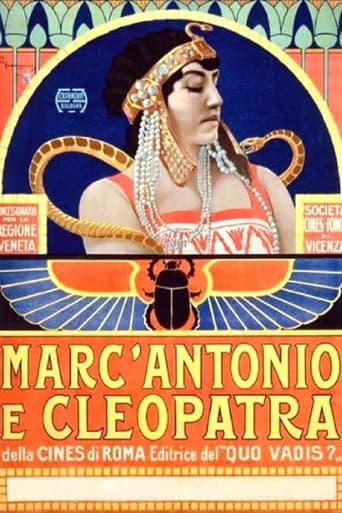
Titles linked here include Quo Vadis? (1913), Marc Antony and Cleopatra (1913).
When was Enrico Guazzoni born and when did he die?
Born September 18, 1876; died September 24, 1949.
What awards did Enrico Guazzoni win?
During Guazzoni's active period in the 1910s, formal film awards were not yet established. His recognition came primarily through critical acclaim and commercial success. He is now remembered as a figure in film history rather than as an award winner.
What was Enrico Guazzoni's directing style?
Guazzoni's directing style was characterized by grand spectacle, elaborate visual compositions, and theatrical staging. He was known for managing massive crowd scenes, creating historically detailed sets, and adapting classical literature with operatic grandeur that emphasized visual impact over intimate character development.