
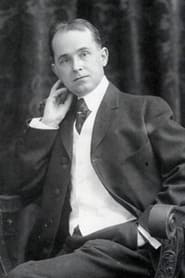
Winsor McCay
Actor & Director
Born: September 26, 1867 in Spring Lake, Michigan, USA Died: July 26, 1934 Active: 1911-1921 Birth Name: Zenas Winsor McCay
Films
7 films
About Winsor McCay
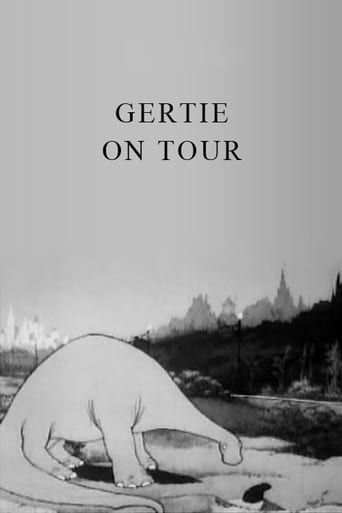
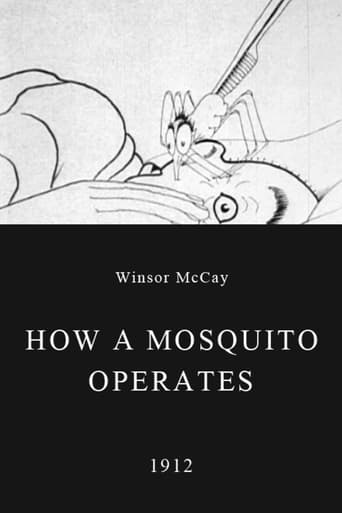
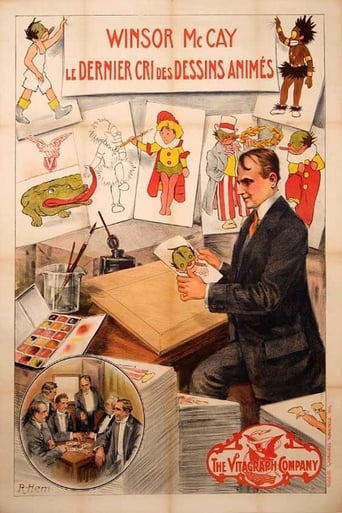
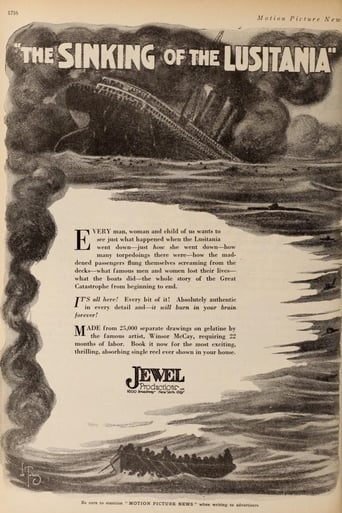
American animator and cartoonist: revolutionary work laid the foundation for modern animation. Born Zenas Winsor McCay, he began his career as a prolific newspaper cartoonist, creating the beloved comic strip 'Little Nemo in Slumberland' in 1905. Transitioning from print to film, McCay created some of the earliest animated masterpieces, including 'Little Nemo' (1911), which showcased unprecedented technical innovation. His 1914 masterpiece 'Gertie the Dinosaur' introduced character animation with personality and emotion, establishing principles still used today. McCay's most ambitious work, 'The Sinking of the Lusitania' (1918), was a powerful propaganda piece that demonstrated animation's potential for serious storytelling. Despite working independently without studio support, McCay's meticulous hand-drawn animations set technical and artistic standards that wouldn't be surpassed for decades. His the crucial early years of animation, bridging the gap between simple novelty and sophisticated art form.
The Craft
On Screen
McCay appeared in his films primarily as an introduction device, presenting himself as the creator of the animation. In 'Gertie the Dinosaur,' he would perform live on stage, seemingly interacting with the animated dinosaur through carefully timed commands and gestures. His on-screen presence was formal and professorial, emphasizing his role as an inventor and showman rather than a traditional actor.
Behind the Camera
McCay's directing approach was characterized by meticulous attention to detail and technical innovation. He employed a frame-by-frame animation technique that created fluid movement unprecedented for his time. His visual storytelling emphasized character development and emotional expression, particularly evident in Gertie's personality. McCay's compositions were theatrical and carefully staged, reflecting his background in illustration and vaudeville performance.
Milestones
- Created the comic strip 'Little Nemo in Slumberland' (1905)
- Produced 'Little Nemo' (1911), first animated film with detailed character animation
- Created 'Gertie the Dinosaur' (1914), first animated film with character personality
- Made 'The Sinking of the Lusitania' (1918), first animated documentary
- Developed keyframe animation techniques still used today
- Performed live with animated Gertie in vaudeville shows
- Created over 10,000 individual drawings for 'The Sinking of the Lusitania'
Best Known For
Iconic Roles
Must-See Films
Accolades
Won
- Inducted into the International Animated Film Association Hall of Fame (1972, posthumous)
- Winsor McCay Award for lifetime achievement named in his honor (ASIFA-Hollywood, 1972)
- National Film Registry selection for 'Gertie the Dinosaur' (1991, Library of Congress)
Nominated
- None available during his lifetime as animation awards did not exist in his era
Special Recognition
- ASIFA-Hollywood created the Winsor McCay Award in his honor for lifetime achievement in animation
- Disney Legend award (inducted 2017, posthumous)
- Will Eisner Award Hall of Fame (1996, posthumous)
- Society of Illustrators Hall of Fame (inducted 2014, posthumous)
Working Relationships
Worked Often With
Studios
Why They Matter
Impact on Culture
Winsor McCay fundamentally transformed animation from simple novelties into a legitimate artistic medium. His creation of Gertie the Dinosaur established the concept of animated characters with distinct personalities, paving the way for all future character animation. 'The Sinking of the Lusitania' demonstrated that animation could handle serious, dramatic subject matter, expanding the medium's potential beyond comedy and fantasy. McCay's innovations in keyframe animation, character design, and storytelling techniques became foundational principles that animators still study today. His work bridged the gap between Victorian illustration and modern cinema, influencing countless artists across multiple media.
Lasting Legacy
McCay's legacy endures through the continued relevance of his animation principles and the annual Winsor McCay Award, animation's highest honor. His techniques for creating fluid motion and expressive characters directly influenced the Golden Age of Hollywood animation, particularly at Disney and Warner Bros. The preservation of his films in the National Film Registry ensures his contributions remain accessible to new generations. Modern animators and studios regularly reference McCay's work as inspiration, with Pixar's 'John Carter' (2012) featuring an animated character named 'McCay' in his honor. His comic strip 'Little Nemo' continues to be adapted and reinterpreted, demonstrating the timelessness of his artistic vision.
Who They Inspired
Walt Disney frequently cited McCay as his greatest inspiration, calling him 'the father of animation.' Disney's early Mickey Mouse cartoons show clear influence from McCay's character animation techniques. Max Fleischer's Betty Boop and Popeye series incorporated McCay's fluid animation style. Contemporary animators like Hayao Miyazaki and John Lasseter have praised McCay's work for its artistic integrity and technical innovation. The entire field of character animation owes its existence to McCay's breakthrough in creating animated personalities that audiences could emotionally connect with.
Off Screen
McCay married Maude Leonore Dufour in 1891, and they had two children, Robert and Winsor 'Ray' McCay Jr. Despite his artistic success, McCay struggled financially throughout his career, partly due to his perfectionist approach and refusal to compromise artistic quality for commercial gain. His wife was supportive of his artistic endeavors, though she reportedly wished he would focus more on commercial illustration. McCay was known for his intense work ethic, often spending 16 hours a day at his drawing board.
Education
Self-taught artist; attended business college briefly but left to pursue art; studied at Ypsilanti State Normal School for a short period
Family
- Maude Leonore Dufour (1891-1934, until his death)
Did You Know?
- McCay claimed he could draw perfectly without looking at his paper
- He created over 10,000 individual drawings for 'The Sinking of the Lusitania'
- Gertie the Dinosaur was originally part of a vaudeville act where McCay would interact with the projected animation
- McCay worked as a chalk talk artist in circuses before becoming a cartoonist
- He was reportedly paid $1,000 per week by Hearst, equivalent to over $25,000 today
- McCay's son claimed his father could complete 700 drawings in a single day
- The original 'Gertie' film was 12 minutes long, though most versions today are truncated
- McCay never patented his animation techniques, believing they should be available to all artists
- He was colorblind, which may have influenced his distinctive black and white style
- McCay's last completed work was an animated advertisement for a laxative company
- His contemporary, Émile Cohl, was creating similar animations in France at the same time
- McCay's original animation cels were destroyed in a fire at his studio
In Their Own Words
Animation should be an art. What we are doing is merely moving drawings.
I have invented a new art form and I want to perfect it.
Any artist who makes a film must be prepared to work harder than he has ever worked before.
The secret of animation is to make the impossible seem possible.
I am not a businessman. I am an artist.
Frequently Asked Questions
Who was Winsor McCay?
American animator and cartoonist who created some of the first animated films, including 'Gertie the Dinosaur.' He revolutionized animation by introducing character personality and emotion, laying the foundation for modern animation techniques.
What films is Winsor McCay best known for?
Titles linked here include Gertie the Dinosaur (1914), The Sinking of the Lusitania (1918).
When was Winsor McCay born and when did he die?
Born September 26, 1867; died July 26, 1934.
What awards did Winsor McCay win?
During his lifetime, McCay received no formal awards as animation honors did not exist. Posthumously, he was inducted into multiple halls of fame, and ASIFA-Hollywood created the Winsor McCay Award in his honor, animation's highest lifetime achievement award.
What was Winsor McCay's animation style?
McCay's animation style was characterized by meticulous hand-drawn detail, fluid motion, and unprecedented character personality. He pioneered keyframe animation techniques and focused on creating emotional connections between animated characters and audiences.
How did McCay influence Walt Disney?
Walt Disney frequently cited McCay as his greatest inspiration, calling him 'the father of animation.' Disney adopted McCay's character animation principles and attention to personality development in his early Mickey Mouse cartoons.
Did Winsor McCay work for any major studios?
McCay remained primarily an independent filmmaker, never signing with major animation studios. He worked as a newspaper cartoonist for William Randolph Hearst while creating his animations independently, often against his employer's wishes.