

Oskar Marion
Actor
- Active
- 1920-1925
Films 3
About Oskar Marion
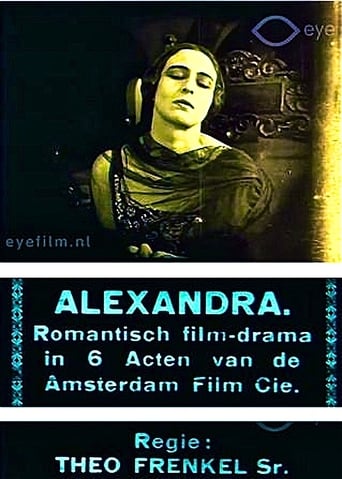
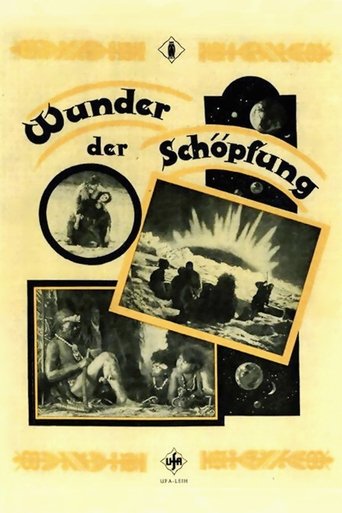
Oskar Marion was a German silent-era actor whose surviving screen record places him squarely in the years of Weimar cinema, when German film production was internationally influential and artistically ambitious. He is credited in at least a small number of surviving films from the early 1920s, including Johann Baptiste Lingg (1920), Alexandra (1922), and Fritz Lang's scientific spectacular Our Heavenly Bodies (1925). Beyond these credits, reliable biographical documentation about his private life, training, and later career is sparse, which is common for many performers from the silent period whose careers were lightly documented outside studio records and contemporary trade papers. What can be established is that Marion worked during a formative moment in European cinema, when actors often moved between costume dramas, melodramas, and prestige productions that depended heavily on expressive physical performance. His appearance in Our Heavenly Bodies is especially notable because that film is one of the era's best-known German popular-scientific features, combining entertainment with astronomical and cosmological imagery. Due to the limited surviving historical record, he remains a lesser-known but still tangible figure in silent-era film history, preserved primarily through his credited screen appearances.
More about Oskar Marion
On screen
No detailed contemporary acting analysis of Oskar Marion has survived in readily accessible reference sources, but his work would have followed the conventions of silent-era German performance. That style typically emphasized clear pantomime, expressive facial control, and precise body language to communicate emotion without spoken dialogue. His credited appearances suggest he likely functioned as a supporting screen presence rather than a star performer, contributing to ensemble scenes through disciplined, visually readable acting.
In film history
Oskar Marion's cultural impact is best understood as archival and historical rather than star-driven. He is part of the broad generation of performers whose work made the German silent film industry function at every level, from intimate drama to ambitious specialty pictures. His presence in Our Heavenly Bodies links him to one of the period's noteworthy attempts to bring scientific ideas to the screen in a visually compelling way, helping demonstrate how silent cinema could educate as well as entertain. Although he was not a celebrity whose name shaped public culture, his surviving credits contribute to the completeness of film history and help modern scholars reconstruct the personnel of early German production.
Later reputation
Marion's legacy lies in his place within the surviving record of Weimar-era film personnel, where many names are known only through credits and production documentation. For historians, such performers are important because they reveal the depth of talent that supported the major studios and directors of the period. His involvement in a Fritz Lang-associated production gives him a modest but lasting connection to one of cinema's most celebrated national film traditions. Even though he does not appear to have achieved enduring fame, his credits preserve a trace of the working actor's life in silent-era European cinema.
Influence
There is no evidence that Oskar Marion directly influenced later generations of performers in the way major stars or acting teachers did. However, as a participant in early German silent cinema, he was part of a performance culture that helped define the expressive techniques later associated with European screen acting. Supporting players like Marion contributed to the ensemble realism, visual clarity, and emotional readability that became hallmarks of the era's films. His indirect influence is therefore historical: he is one of the many actors whose collective work established the grammar of silent screen performance.
Off screen
No dependable biographical information about Oskar Marion's personal life, family background, marriages, or later years is readily documented in standard film references. He appears in the historical record primarily through film credits rather than through interviews, memoirs, or extensive press coverage. As a result, his off-screen life remains largely unknown to modern researchers, and any attempt to fill those gaps would risk speculation. This anonymity is typical of many silent-era supporting actors whose names survive in cast lists even when their private histories have not.
Credits
- Appeared in Johann Baptiste Lingg (1920), one of his earliest known screen credits in the German silent era
- Played a screen role in Alexandra (1922), extending his film work into the early Weimar period
- Was cast in Fritz Lang's Our Heavenly Bodies (1925), a notable and widely discussed German silent-era feature
- Worked during the peak years of German silent cinema, a period known for visual experimentation and ambitious production design
- Represents the kind of character and supporting performer whose work helped sustain the repertoire of early European studio filmmaking
Roles
- Role in Johann Baptiste Lingg (1920)
- Role in Alexandra (1922)
- Role in Our Heavenly Bodies (1925)
Films
- Johann Baptiste Lingg (1920)
- Alexandra (1922)
- Our Heavenly Bodies (1925)
Notes
- Oskar Marion is documented as a silent-era actor active only in the early 1920s in surviving film records.
- He appears in Our Heavenly Bodies (1925), a film remembered for its large-scale astronomical and cosmological imagery.
- His known filmography is very short in surviving reference sources, which makes him a comparatively obscure figure of the period.
- His career falls within the Weimar Republic years, one of the most artistically important eras in German cinema.
- No widely cited biographical details such as birth date, death date, or family background are readily established from standard film references.
- His surviving credits suggest he worked as a supporting performer rather than a top-billed star.
- Because many silent films and production documents were lost or incompletely preserved, performers like Marion are often known only through cast lists.
- His name is sometimes encountered in film databases rather than in mainstream film histories, reflecting the incomplete survival of silent-era records.
Questions
Who was Oskar Marion?
Oskar Marion was a German actor from the silent film era, active mainly in the early 1920s. He is known from surviving credits in films such as Johann Baptiste Lingg, Alexandra, and Our Heavenly Bodies.
What films is Oskar Marion best known for?
He is best known for Johann Baptiste Lingg (1920), Alexandra (1922), and Our Heavenly Bodies (1925). These are the principal surviving screen credits associated with his name in classic cinema references.
When was Oskar Marion born and when did he die?
His birth date and death date are not readily documented in standard accessible film references. At present, the most reliable information available is his active period in cinema, which ran from 1920 to 1925.
What awards did Oskar Marion win?
No awards or major honors are currently documented for Oskar Marion in the available historical record. This is not unusual for supporting performers from the silent era, especially those whose careers were lightly recorded.
What was Oskar Marion's acting style?
His acting would have followed silent-era German performance conventions, relying on expressive body language, facial expression, and visually clear gestures. No detailed reviews of his individual style are widely preserved, so this description is based on the broader acting practice of the period.
What is Oskar Marion's legacy in film history?
His legacy is primarily archival: he is one of the many working actors who helped build the body of silent German cinema. His credit in Our Heavenly Bodies also places him within a noteworthy Fritz Lang-associated production, giving him a modest but real place in classic film history.