
Sylvette Fillacier
Actor
- Born
- March 9, 1889, Mascara, French Algeria
- Died
- September 20, 1960
- Active
- 1910-1938
- Birth name
- Honorine Marie Fillacier
Films 1
About Sylvette Fillacier
Sylvette Fillacier, born Honorine Marie Fillacier, was a distinguished French actress whose career bridged the transition from the silent era to the early sound period of French cinema. Born in Mascara, French Algeria in 1889, she moved to Paris where she began her cinematic journey in 1910 under the direction of pioneers like Albert Capellani and Louis Feuillade. She became a recurring figure in the productions of the Gaumont Film Company, often appearing in short dramas and suspense films that defined the pre-war French film industry. Throughout the 1920s and 1930s, she evolved from a silent starlet into a respected character actress, known for her ability to portray complex maternal figures and working-class women. Her most enduring contribution came in the early 1930s with her role in the poetic realist masterpiece 'La Maternelle', where she played the neglectful mother of the young protagonist. Fillacier remained active in the industry until the late 1930s, concluding her career with notable appearances in films by directors like Pierre Chenal and Christian-Jaque.
More about Sylvette Fillacier
On screen
Fillacier was noted for her naturalistic and grounded acting style, which was particularly effective in the social dramas of the 1930s. In her early silent work, she possessed a expressive pantomime typical of the Gaumont school, but as she matured, she adopted a more subtle, psychological approach. Critics often praised her ability to bring depth to 'silhouette' roles—brief but impactful appearances that added texture to the film's environment.
Impact on culture
Sylvette Fillacier represents the essential 'bridge' generation of French actors who survived the radical shift from silent shorts to feature-length sound films. Her participation in 'La Maternelle' helped define the 'humanist' and 'progressive' streak of French cinema in the 1930s, which focused on the plight of the working class and the psychological reality of children. Her presence in the films of Louis Feuillade also links her to the birth of the crime thriller and serial genres that would eventually influence Hitchcock and the French New Wave.
Lasting legacy
Her legacy is preserved through her association with the most important directors of the French Golden Age. While not a 'star' in the modern sense of a leading lady, she is remembered as a vital character actress whose performances provided the social realism required for the poetic realist movement. Her personal papers and letters to Max Jacob remain a valuable resource for historians studying the intersection of cinema and literature in 20th-century France.
Who they inspired
She influenced the development of character acting in French cinema, moving away from the heightened theatricality of the 'Film d'Art' movement toward the more nuanced, gritty realism seen in the works of Jean Renoir and Marcel Carné.
Off screen
Sylvette Fillacier was a prominent figure in the Parisian intellectual and media circles of the interwar period. She was married to the influential French journalist and media tycoon Pierre Lazareff from 1933 to 1939. Beyond her marriage, she was a close confidante of the avant-garde poet Max Jacob; their extensive correspondence from 1914 to 1938 provides significant insight into the cultural life of Paris during those decades.
Education
Trained in the theatrical traditions of Paris before entering the film industry via the early studio systems of Pathé and Gaumont.
Career milestones
- Debuted in Albert Capellani's 'L'Évadé des Tuileries' in 1910
- Became a frequent collaborator with silent film master Louis Feuillade starting in 1912
- Successfully transitioned to sound cinema in the early 1930s
- Starred in the critically acclaimed 'La Maternelle' (1933), a cornerstone of French poetic realism
- Maintained a long-standing friendship and correspondence with the influential poet Max Jacob
- Appeared in the 1938 historical drama 'L'Affaire Lafarge', one of her final major screen roles
Iconic roles
- Mme. Coeuret in 'La Maternelle' (1933)
- Angèle in 'La Rue du pavé d'amour' (1923)
- Gitanette in 'Divine' (1935)
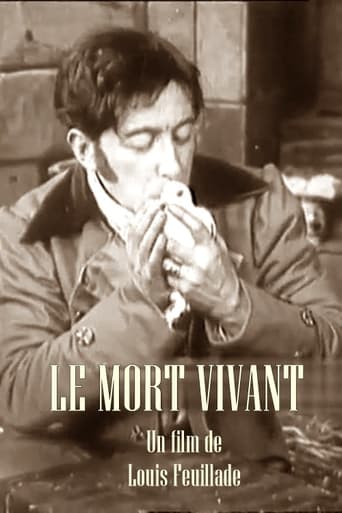
- The Mother in 'Le Mort vivant' (1912)
Must-see films
- La Maternelle (1933)
- Le Mort vivant (1912)
- L'Affaire Lafarge (1938)
- Le Voile du bonheur (1910)
- La Rue du pavé d'amour (1923)
- Le Chien jaune (1932)
Awards
- National Board of Review - Top Foreign Films (Cast of 'La Maternelle', 1933)
Special recognition
- Recognized in the 'Cinémathèque française' restorations for her contributions to early French cinema
- Subject of a dedicated correspondence archive published in the literary journal 'Europe'
Worked often with
- Louis Feuillade (Director)
- Henri Fescourt (Director)
- Albert Capellani (Director)
- Marie Epstein (Director)
- Jean Benoît-Lévy (Director)
Studios
- Gaumont Film Company
- Pathé Frères
- Majestic Film
Family
- Pierre Lazareff (1933-1939)
Did you know?
- She was born in Algeria, which was then a French territory, making her part of the early 'Pied-Noir' contribution to French arts.
- Her real name, Honorine, was rarely used in her professional life.
- She appeared in 'Le Mort vivant' (1912), which is considered an early example of the horror/suspense genre in France.
- Her marriage to Pierre Lazareff placed her at the center of the French press world, as he was the founder of 'France-Soir'.
- She is buried in the prestigious Montmartre Cemetery in Paris (16th division).
- The poet Max Jacob wrote to her for over 20 years, often discussing art, spirituality, and the theater.
- She was one of the few actresses to work with both the silent pioneer Albert Capellani and the sound-era innovator Pierre Chenal.
In their own words
The story she would be living was more important than the words. (Attributed to the direction style she embraced during 'La Maternelle')
Questions and answers
Who was Sylvette Fillacier?
Sylvette Fillacier was a French actress active during the silent and early sound eras of cinema. She is best known for her roles in early 20th-century French dramas and her work with legendary directors like Louis Feuillade and Marie Epstein.
What films is Sylvette Fillacier best known for?
She is most famous for her role as Mme. Coeuret in the poetic realist film 'La Maternelle' (1933). Other notable works include 'Le Mort vivant' (1912), 'Le Chien jaune' (1932), and 'L'Affaire Lafarge' (1938).
When was Sylvette Fillacier born and when did she die?
She was born on March 9, 1889, in Mascara, French Algeria, and passed away on September 20, 1960, in Paris, France.
Who was Sylvette Fillacier married to?
She was married to Pierre Lazareff, a famous French journalist and the founder of the newspaper 'France-Soir', from 1933 to 1939.
What was Sylvette Fillacier's acting style?
She was known for a naturalistic and versatile acting style. She transitioned from the expressive pantomime of silent films to a subtle, psychologically deep approach in the sound era, often playing complex maternal or working-class characters.
What is Sylvette Fillacier's legacy in film history?
Her legacy lies in her contribution to the development of French poetic realism and her work in the foundational years of the Gaumont studio. She is also remembered for her intellectual connections to the Parisian avant-garde, particularly her friendship with poet Max Jacob.