The Living Dead
“A haunting tale of the thin line between life and death.”
About The Living Dead
The film follows the tragic story of a young woman who is mistakenly declared dead after falling into a deep, cataleptic trance. Her grieving family and lover, played by René Navarre, prepare for her burial, unaware that she is still alive within her coffin. The narrative tension builds as the 'corpse' begins to stir just as the funeral rites are being performed, leading to a harrowing race against time to prevent a premature burial. Ultimately, the film explores the thin veil between life and death and the psychological horror of being trapped in a state of suspended animation while the world moves on to mourn you.
Cast & crew
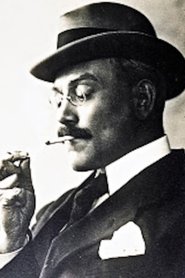
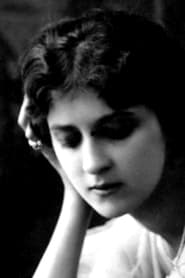
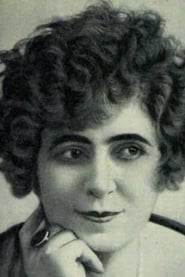
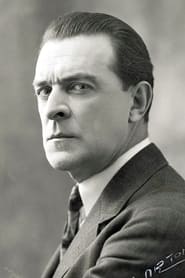


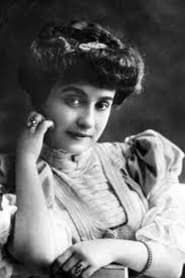
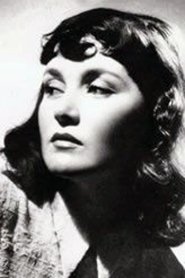
More films like this
More from Louis Feuillade
View all →
More about The Living Dead
Production
- Release date
- March 15, 1912
- Country
- France
- Production
- Société des Etablissements L. Gaumont
- Filmed in
- Paris, France, Gaumont Studios, Buttes-Chaumont, Paris
Produced during Louis Feuillade's prolific period as the artistic director at Gaumont, the film utilized the studio's state-of-the-art facilities in the Buttes-Chaumont district. The production relied heavily on naturalistic acting styles which Feuillade championed over the more theatrical 'Grand Guignol' style common in early silent horror. The film was part of a series of 'Scènes de la vie telle qu'elle est' (Scenes of Life as It Is), though it leaned more into the macabre than the strictly social dramas of that series.
Themes & topics
Historical background
In 1912, the French film industry, led by Gaumont and Pathé, was the most dominant in the world. This era marked the transition from short 'attraction' films to more complex narrative storytelling. The theme of catalepsy and premature burial reflected a genuine societal anxiety of the early 20th century, fueled by medical limitations in definitively declaring death. Furthermore, the film was produced just two years before the outbreak of World War I, capturing a sense of 'Belle Époque' elegance that would soon be shattered.
Why this film matters
The film is a significant precursor to the horror genre, specifically the sub-genre of psychological suspense. It demonstrates Louis Feuillade's ability to infuse everyday realism with a sense of the uncanny or the 'fantastique.' By moving away from the stage-bound aesthetics of Georges Méliès, Feuillade helped establish a more cinematic and grounded approach to macabre storytelling that influenced later French Impressionist cinema and even German Expressionism.
Making of
The production was managed with the efficiency typical of the Gaumont 'factory' system, where Feuillade oversaw multiple units simultaneously. The cast, including Renée Carl and René Navarre, were part of Feuillade's regular troupe of actors who lived and worked near the studio, allowing for rapid rehearsals and filming. Special attention was paid to the makeup of the 'living dead' woman to ensure she looked sufficiently pallid and death-like under the harsh studio lighting of the era. The set design for the wake was modeled after contemporary French bourgeois mourning customs to ground the supernatural-adjacent plot in reality.
What critics said
Upon its release, the film was praised for its dramatic tension and the convincing performances of its leads. Contemporary trade journals noted the 'chilling realism' of the burial scenes. Modern film historians view it as a vital stepping stone in Feuillade's career, showcasing his early mastery of pacing and his interest in the darker aspects of the human condition that would later define his masterpieces like 'Les Vampires'.
What audiences thought
Audiences in 1912 were reportedly enthralled by the film's suspenseful climax. The fear of being buried alive was a potent 'urban legend' of the time, making the film's subject matter deeply resonant and terrifying for the public. It was a popular entry in Gaumont's weekly program of short films.
Visual style
The cinematography is characterized by static shots with deep staging, a hallmark of the early Gaumont style. Feuillade used the architecture of the sets to create a sense of entrapment, particularly in the scenes featuring the coffin. The lighting is relatively flat, as was standard for the time, but the composition emphasizes the physical distance between the 'dead' woman and her oblivious mourners.
Innovations
The film is notable for its sophisticated use of cross-cutting to build tension between the preparations for the funeral and the woman's slow awakening. This editing technique was still being refined in 1912, and Feuillade was one of its early masters in Europe.
Music
As a silent film, there was no recorded soundtrack. It would have been accompanied by a live pianist or a small orchestra in larger theaters, likely playing somber classical pieces or standard 'suspense' cues from a photoplay music catalog.
Film restoration
The film is preserved in the Gaumont Pathé Archives and has been digitized as part of the Louis Feuillade retrospective collections.
Did you know?
- The film is an early example of the 'premature burial' trope, which was a common Victorian and Edwardian phobia.
- René Navarre, the lead actor, would go on to achieve international superstardom just one year later as the title character in Feuillade's 'Fantômas' serial.
- Yvette Andréyor was one of Feuillade's most frequent collaborators, appearing in dozens of his films including the 'Judex' serial.
- The film was released under the French title 'La morte vivante'.
- At the time of its release, the film was considered quite shocking for its realistic depiction of a funeral and a wake.
- Louis Feuillade directed over 60 films in 1912 alone, demonstrating the incredible speed of the Gaumont production house.
- The use of deep focus in some interior shots was a precursor to the sophisticated visual language Feuillade would perfect in his later crime serials.
Memorable scenes
- The scene where the protagonist's fingers twitch against the satin lining of the coffin while the priest recites prayers in the background.
- The frantic climax where the lover realizes the mistake and desperately tries to stop the pallbearers from sealing the tomb.
Influenced by
- The works of Edgar Allan Poe
- Grand Guignol theater
- Victorian gothic literature
This film influenced
- The Premature Burial (1962)
- Les Vampires (1915)
- The Vanishing (1988)
Where else to watch
- Gaumont Pathé Archives (Special Request)
- Selected Louis Feuillade DVD/Blu-ray collections
- Cinematheque Francaise screenings
Famous quotes
She is not dead, but sleeping! (Intertitle describing the doctor's eventual realization)