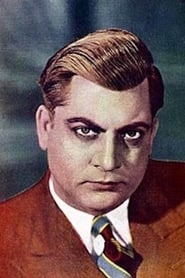
Chandramohan
Actor
Born: 1906 in Bombay, British India (now Mumbai, India) Died: March 12, 1949 Active: 1934-1949 Birth Name: Chandramohan Deshmukh
Films
6 films


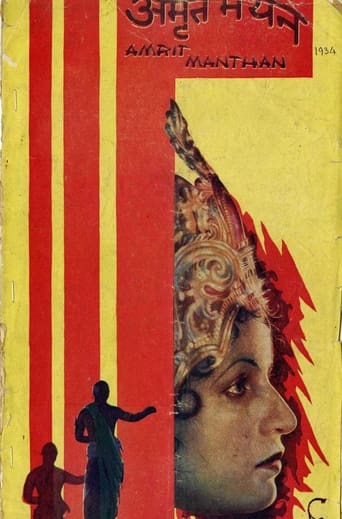
About Chandramohan
Chandramohan was among the leading actors of early Indian cinema, particularly renowned during the 1930s and 1940s. He began his career during the crucial transition period from silent films to talkies, quickly establishing himself as a versatile performer capable of playing both heroic and villainous roles with equal aplomb. Working primarily with Prabhat Studios, prestigious production houses of that era, Chandramohan became synonymous with powerful character portrayals and commanding screen presence. His performances in landmark films like Amrit Manthan (1934) and Pukar (1939) set new standards for acting in Indian cinema, bringing theatrical depth and emotional complexity to the silver screen. Despite his relatively short career, spanning just over a decade, he on the industry, becoming one of the highest-paid actors of his time. His untimely death in 1949 at the age of 43 cut short a brilliant career that had already contributed significantly to shaping the narrative of Indian cinema's golden era.
The Craft
On Screen
Chandramohan was known for his powerful screen presence and theatrical acting style, which was characteristic of the early talkies era. He possessed a commanding voice and expressive facial features that allowed him to portray complex emotions effectively. His performances often combined dramatic intensity with subtle nuances, making him particularly effective in both heroic and villainous roles. He had a distinctive baritone voice that became his trademark in the sound era, and his dialogue delivery was considered among the best of his generation.
Milestones
- Breakthrough role in Amrit Manthan (1934)
- Iconic performance in Pukar (1939)
- Memorable villain role in Roti (1942)
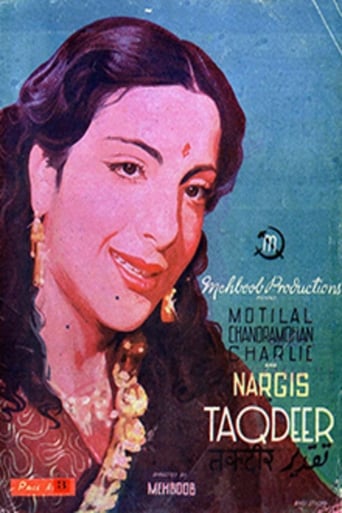
- Leading role in Taqdeer (1943)
- work in early talkies era
- Association with Prabhat Studios
- One of the highest-paid actors of 1930s-40s
Best Known For
Iconic Roles
Must-See Films
Accolades
Won
- No formal awards system existed in Indian cinema during his active period
Nominated
- No formal nomination system existed during his era
Special Recognition
- Recognized as one of the actors of Indian cinema
- Remembered as a legend of early Hindi cinema
- His films are preserved as classics of Indian film history
Working Relationships
Worked Often With
Studios
Why They Matter
Impact on Culture
Chandramohan played a crucial role in establishing the archetype of the character actor in Indian cinema, demonstrating that supporting roles could be as impactful as lead performances. His work helped legitimize acting as a serious profession in India during a time when performers were often looked down upon socially. He contributed significantly to the development of Hindi cinema's narrative style, particularly in historical and social drama genres. His performances in Prabhat Studios' productions helped establish the studio as a powerhouse of meaningful cinema that addressed social issues while maintaining entertainment value.
Lasting Legacy
Chandramohan's legacy endures through his classic films that continue to be studied and appreciated by film scholars and enthusiasts. He is remembered as one of the foundational actors who helped shape Indian cinema's transition from theatrical traditions to cinematic realism. His distinctive acting style influenced generations of character actors who followed, particularly in the realm of villainous and authoritative roles. Many of his films are considered landmarks in Indian film history and are preserved as important cultural artifacts.
Who They Inspired
Chandramohan influenced the approach to character acting in Indian cinema, demonstrating the importance of depth and nuance in supporting roles. His success paved the way for future character actors to gain recognition and respect in the industry. His work with directors like V. Shantaram helped establish new standards for film acting that balanced theatrical traditions with cinematic requirements. Younger actors of his era and subsequent generations looked to his performances as examples of how to bring gravitas and authenticity to complex characters.
Off Screen
Chandramohan led a relatively private personal life despite his immense popularity. He was known to be deeply committed to his craft and maintained professional relationships within the film industry. His early death at 43 was a significant loss to Indian cinema, and he was mourned by fans and colleagues alike. Details about his family life remain relatively scarce in historical records, as was common for actors of that era.
Education
Family
- Information not widely documented in historical records
Did You Know?
- One of the highest-paid actors of Indian cinema in the 1930s and 1940s
- His real name was Chandramohan Deshmukh
- Worked extensively with Prabhat Studios,
- Was particularly known for his powerful baritone voice which became his trademark in the talkies era
- Died at the relatively young age of 43, cutting short a brilliant career
- His film Pukar (1939) was
- Amrit Manthan (1934) was one of the earliest films to address social reform issues
- His performances often required him to play characters much older than his actual age
- Was part of the first generation of actors who successfully transitioned from silent films to talkies
- His films were known for their technical innovation and social relevance
In Their Own Words
No widely documented quotes are available from historical records
Frequently Asked Questions
Who was Chandramohan?
Chandramohan was. He was particularly known for his work with Prabhat Studios and his powerful performances in films like Amrit Manthan, Pukar, and Roti, establishing himself as one of the highest-paid actors of his era.
What films is Chandramohan best known for?
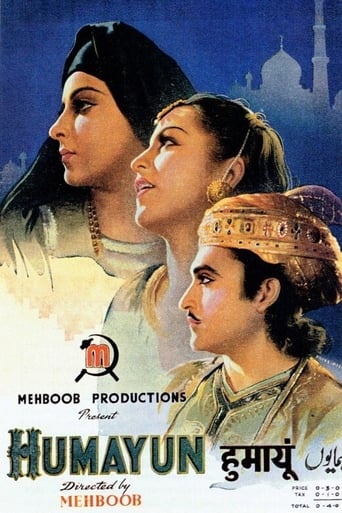
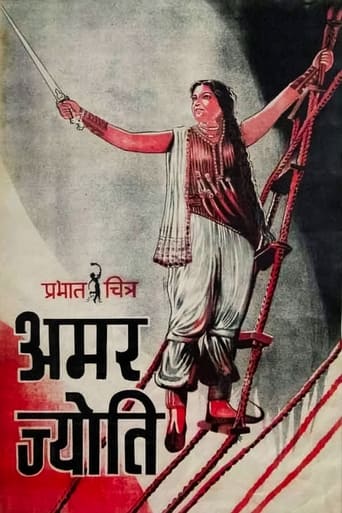
Titles linked here include Amrit Manthan (1934), Amar Jyoti (1936).
When was Chandramohan born and when did he die?
Born 1906; died March 12, 1949.
What awards did Chandramohan win?
Chandramohan worked during a period when formal award systems did not exist in Indian cinema. However, he was recognized as one of the actors of his time and his films are preserved as classics. He was considered one of the highest-paid and most respected actors of the 1930s and 1940s.
What was Chandramohan's acting style?
Chandramohan was known for his powerful theatrical acting style combined with a commanding screen presence. He possessed a distinctive baritone voice and expressive features that made him particularly effective in both heroic and villainous roles. His performances blended dramatic intensity with subtle nuances, setting standards for acting in early Indian cinema.