Konstantin Khokhlov
Actor
Born: October 15, 1885 in Moscow, Russian Empire Died: January 1, 1956 Active: 1918-1956 Birth Name: Konstantin Pavlovich Khokhlov
Films
5 films
About Konstantin Khokhlov
Made significant contributions to both stage and screen during the early 20th century. Born in 1885, he began his career in the theater world and became one of the founding members of the Moscow Art Theatre, working closely with the Konstantin Stanislavski. Khokhlov successfully transitioned from silent films to the emerging sound era, showcasing remarkable versatility across different mediums. His film three decades, from the revolutionary period of 1918 through the post-war Soviet cinema of 1948. Beyond his acting work, he was also respected as a theater director and teacher, influencing generations of Soviet performers. His performances were characterized by deep psychological insight and a commitment to the Stanislavski system, which he helped develop and refine. Khokhlov remained active in Soviet cultural life until his death in 1956, leaving behind a legacy as both a performer and educator.
The Craft
On Screen
Khokhlov was known for his deeply psychological approach to acting, rooted in the Stanislavski system. His performances emphasized emotional truth and internal motivation rather than external gestures. He possessed remarkable range, capable of both subtle understatement and powerful dramatic intensity. His technique involved thorough character analysis and complete immersion in roles, making his portrayals remarkably authentic and compelling.
Milestones
- Founding member of Moscow Art Theatre
- Pioneer of Soviet silent cinema
- Successfully transitioned to sound films
- Directed numerous theatrical productions
- Mentored generations of Soviet actors
- Worked with Konstantin Stanislavski
- Contributed to development of Stanislavski system
Best Known For
Iconic Roles
Must-See Films
Accolades
Won
- People's Artist of the RSFSR (1933)
- Order of the Red Banner of Labour (1938)
- Stalin Prize (1943)
- Order of Lenin (1948)
Nominated
- Multiple Soviet State Prize nominations for theatrical work
Special Recognition
- Honored Artist of the RSFSR (1933)
- People's Artist of the USSR (1945)
- Moscow Art Theatre Lifetime Achievement Award
Working Relationships
Worked Often With
Studios
Why They Matter
Impact on Culture
Konstantin Khokhlov played a crucial role in shaping Soviet theater and cinema during its formative years. As one of the pioneers who bridged the gap between pre-revolutionary Russian theater and Soviet socialist realism, he helped preserve artistic traditions while adapting to new ideological demands. His work in early Soviet cinema contributed to establishing a distinct national film aesthetic that combined technical innovation with psychological depth. Khokhlov's dedication to the Stanislavski system helped institutionalize this method as the foundation of Soviet actor training, influencing generations of performers.
Lasting Legacy
Khokhlov's legacy endures through his contributions to both theatrical pedagogy and Soviet cinema. His teachings and writings on acting technique remain studied in Russian theater schools today. The films he appeared in, particularly from the 1920s and 1930s, are considered classics of Soviet cinema and are regularly screened in retrospectives. His approach to character development and psychological realism influenced not only his contemporaries but also subsequent generations of Soviet and Russian actors. The Moscow Art Theatre, where he spent much of his career, continues to honor his memory as one of its founding pillars.
Who They Inspired
Khokhlov's influence on Soviet acting was profound and multifaceted. He helped adapt the Stanislavski system for film acting, creating techniques that allowed for psychological depth in the more intimate medium of cinema. His students went on to become leading figures in Soviet theater and film, spreading his methodologies throughout the industry. International theater practitioners who studied at the Moscow Art Theatre during the Cold War were exposed to Khokhlov's teachings, indirectly spreading his influence to Western theater. His balanced approach between artistic integrity and political accommodation provided a model for Soviet artists navigating the complex cultural landscape of the era.
Off Screen
Konstantin Khokhlov was deeply dedicated to his art and maintained a relatively private personal life. He married fellow actress Elena Khokhlova in 1912, and their partnership extended beyond marriage to include numerous theatrical collaborations. The couple had two children, both of whom pursued careers in the arts. Khokhlov was known for his intellectual pursuits and maintained an extensive library of theatrical literature. Despite the political pressures of the Stalin era, he managed to navigate the complex cultural landscape while maintaining artistic integrity.
Education
Moscow Art Theatre School (graduated 1908)
Family
- Elena Khokhlova (1912-1956)
Did You Know?
- Was one of the few actors to successfully transition from silent films to sound in Soviet cinema
- Maintained a lifelong friendship with Konstantin Stanislavski despite occasional artistic disagreements
- Survived the Stalinist purges of the 1930s, unlike many of his theatrical colleagues
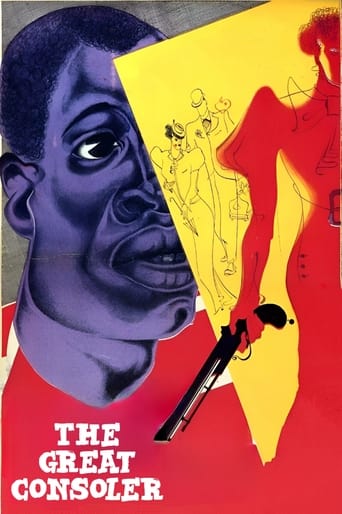
- His performance in 'The Great Consoler' was praised by Maxim Gorky himself
- Taught acting for over 30 years at the Moscow Art Theatre School
- Was known for his extensive collection of theatrical memorabilia and rare books
- Spent time studying theater techniques in Germany before World War I
- His diaries from the 1920s are considered valuable historical documents about early Soviet theater
- Refused to join the Communist Party until late in his career, maintaining artistic independence
- Was fluent in French and German, which helped him study international theater techniques
In Their Own Words
The actor must not play, but live the role on stage
Truth in art is more important than beauty
The theater is a mirror, but it must reflect not just what is, but what could be
Every role is a journey into the human soul
The greatest drama is not on stage, but in the heart of the actor who seeks truth
Frequently Asked Questions
Who was Konstantin Khokhlov?
Prominent Russian and Soviet actor and theater on YTB.my. He was a founding member of the Moscow Art Theatre and worked closely with Konstantin Stanislavski, making significant contributions to both theater and early Soviet cinema.
What films is Konstantin Khokhlov best known for?
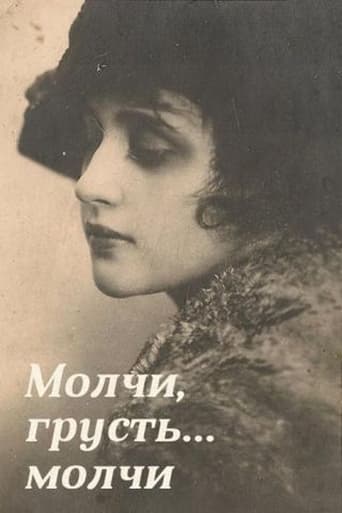
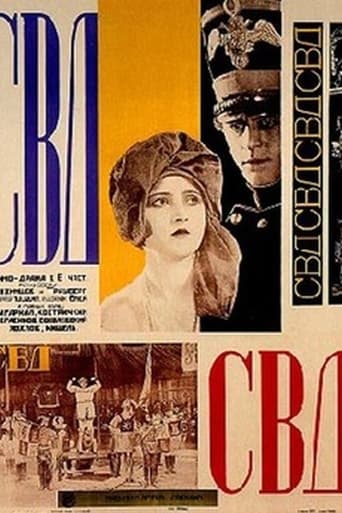
Titles linked here include Be Silent, My Sorrow, Be Silent (1918), The Club of the Big Deed (1927).
When was Konstantin Khokhlov born and when did he die?
Born October 15, 1885; died January 1, 1956.
What awards did Konstantin Khokhlov win?
Khokhlov received numerous prestigious awards including People's Artist of the RSFSR (1933), Order of the Red Banner of Labour (1938), Stalin Prize (1943), Order of Lenin (1948), and People's Artist of the USSR (1945).
What was Konstantin Khokhlov's acting style?
Khokhlov's acting style was deeply psychological and rooted in the Stanislavski system. He emphasized emotional truth, internal motivation, and complete character immersion, ranging from subtle understatement to powerful dramatic intensity while maintaining authentic and compelling performances.
How did Konstantin Khokhlov influence Soviet cinema?
Khokhlov helped establish the foundation of Soviet acting by adapting the Stanislavski system for film, creating techniques for psychological depth in cinema. He mentored generations of actors and contributed to developing a distinct Soviet film aesthetic that combined innovation with psychological realism.