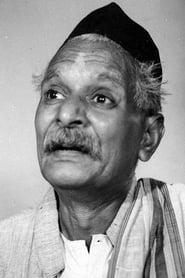
Kanhaiyalal Chaturvedi
Actor
Born: 1910 in Varanasi, Uttar Pradesh, India Died: August 14, 1982 Active: 1937-1982
Films
5 films
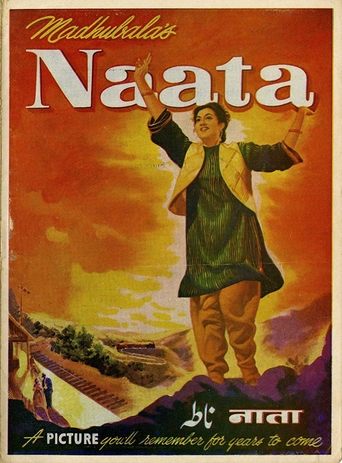
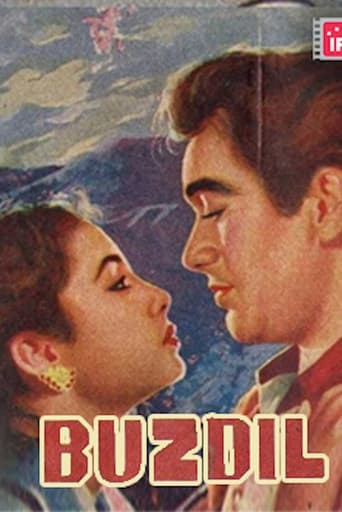
About Kanhaiyalal Chaturvedi
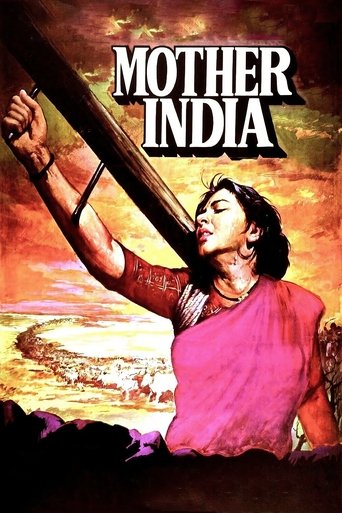
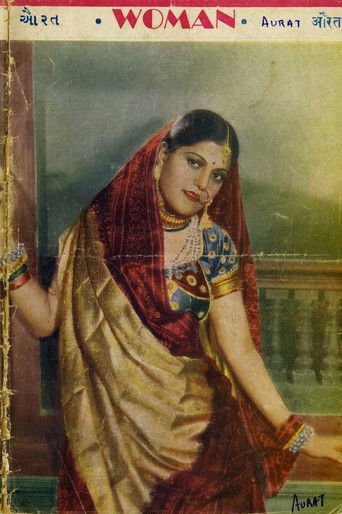
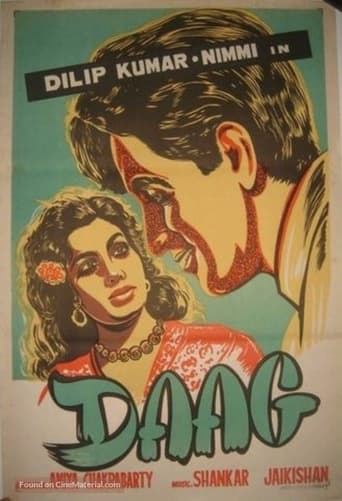
Kanhaiyalal Chaturvedi (1910-1982) was one of Indian cinema's most character actors during the golden era of Hindi filmmaking. Born in Varanasi, Uttar Pradesh, he began his acting career in the late 1930s and quickly established himself as a versatile performer capable of portraying both menacing villains and comic relief characters with remarkable authenticity. His breakthrough came with Mehboob Khan's Aurat (1940), where he played the unscrupulous moneylender, a role that would define his career and later be reprised in the remake Mother India (1957). Throughout the 1940s and 1950s, Kanhaiyalal became recognizable faces in Indian cinema, appearing in over 200 films and working with virtually every major director of his era. His distinctive appearance, complete with a shaven head and piercing eyes, made him instantly recognizable to audiences across India. Beyond his villainous roles, he also demonstrated remarkable comedic timing in films like Buzdil (1951) and Daag (1952), showcasing his versatility as a performer. His four decades, from the early talkies through the 1970s, during which he evolved from being typecast as a villain to becoming a beloved character actor respected for his craft. Kanhaiyalal's contributions to Indian cinema were recognized with numerous awards, and he remains remembered as one of the industry's most reliable and talented supporting actors.
The Craft
On Screen
Kanhaiyalal was known for his naturalistic acting style that brought authenticity to every role he portrayed. His ability to switch seamlessly between menacing villainy and subtle comedy made him a director's favorite. He had a distinctive approach to character development, often studying the mannerisms and speech patterns of real people to inform his performances. His facial expressions, particularly his eyes, could convey a wide range of emotions from greed and cunning to vulnerability and humor. Kanhaiyalal believed in complete immersion in his characters, often spending hours in makeup and costume to achieve the perfect look. His dialogue delivery was precise and impactful, with a deep, resonant voice that added gravitas to his villainous roles.
Milestones
- Breakthrough role in Mehboob Khan's Aurat (1940) as the moneylender
- Iconic performance as Sukhilala in Mother India (1957)
- Over 200 film appearances spanning four decades
- Winner of Filmfare Best Supporting Actor Award for Upkar (1967)
- Recognized as one of Indian cinema's most reliable character actors
Best Known For
Iconic Roles
Must-See Films
Accolades
Won
- Filmfare Award for Best Supporting Actor for Upkar (1967)
- Bengal Film Journalists' Association Awards for various performances
- Screen Lifetime Achievement Award (posthumous)
Nominated
- Filmfare Award nominations for Best Supporting Actor on multiple occasions
- National Film Award consideration for character performances
Special Recognition
- Recognized as one of Indian cinema's most prolific character actors
- Featured in retrospectives of classic Indian cinema
- Honored by various film societies and cultural organizations
Working Relationships
Worked Often With
Studios
Why They Matter
Impact on Culture
Kanhaiyalal's impact on Indian cinema extends far beyond his individual performances. He essentially created the archetype of the Indian cinematic villain that would influence generations of actors to come. His portrayal of the moneylender in both Aurat and Mother India became a cultural touchstone, representing the exploitation of rural India by predatory lenders. This character became so ingrained in the Indian consciousness that the term 'Sukhilala' entered common parlance as a synonym for usurious moneylenders. Kanhaiyalal's work helped establish the importance of character actors in Indian cinema, proving that supporting roles could be as memorable and impactful as lead performances. His ability to balance menace with humanity in his villainous roles added depth to Indian storytelling, moving away from one-dimensional characterizations.
Lasting Legacy
Kanhaiyalal's legacy in Indian cinema is that of a pioneer who elevated the craft of character acting to an art form. With over 200 films to his credit, he set standards for professionalism and dedication that continue to inspire actors today. His performances in Mother India and other classics are studied in film schools as examples of perfect character portrayal. The moneylender character he created remains one of Indian cinema's most iconic villains, often referenced and parodied in contemporary media. Kanhaiyalal demonstrated that character actors could achieve stardom on their own terms, paving the way for future generations of supporting actors to gain recognition and respect. His influence can be seen in the work of later character actors like Amrish Puri, Om Puri, and Anupam Kher, who have acknowledged his contributions to the craft.
Who They Inspired
Kanhaiyalal influenced generations of Indian actors through his distinctive approach to character development and his commitment to authenticity. His method of preparing for roles, including extensive research into the psychology and mannerisms of his characters, became a model for serious actors. Many contemporary character actors cite his ability to make even the smallest roles memorable as a major inspiration. His success proved that actors without conventional leading-man looks could achieve stardom through talent and dedication, opening doors for countless performers who followed. Directors continue to study his performances to understand how to effectively utilize character actors to enhance their narratives. The depth and nuance he brought to villainous roles helped establish a more sophisticated approach to antagonists in Indian cinema, moving beyond simple evil to create complex, multi-dimensional characters.
Off Screen
Kanhaiyalal was known to be a private individual who maintained a low profile despite his cinematic success. He was deeply religious and often attributed his success to divine blessings. Unlike many of his contemporaries, he avoided the glamour and social aspects of the film industry, preferring to focus on his craft. He lived a simple life in Mumbai and was known for his generosity towards struggling actors and crew members. His dedication to his art was legendary, often working on multiple films simultaneously without compromising on the quality of his performances.
Education
Limited formal education, primarily self-taught in acting and performing arts
Family
- Information not publicly available
Did You Know?
- Kanhaiyalal appeared in both the original Aurat (1940) and its remake Mother India (1957), playing the same role of the moneylender 17 years apart
- He was one of the few actors to successfully transition from the studio system era to the New Wave cinema of the 1970s
- His distinctive shaven head became his trademark look, which he maintained throughout his career
- Despite being typecast as a villain, he was known as one of the kindest and most generous actors off-screen
- He worked with virtually every major star of Indian cinema from the 1940s through the 1970s
- Kanhaiyalal could speak multiple Indian languages fluently, which helped him in various regional film industries
- He often performed his own stunts in action sequences, despite his advancing age
- The moneylender character he played became so iconic that it influenced how moneylenders were portrayed in Indian cinema for decades
- He was known for his punctuality and professionalism, often arriving on set hours before call time
- Kanhaiyalal never gave interviews to the press, preferring to let his work speak for itself
In Their Own Words
Acting is not about becoming someone else; it's about finding the someone else within yourself
A villain is not born evil, circumstances make him so - this is what I try to show in my characters
The audience remembers a good performance, whether it's the hero or the character actor
I don't act, I react to the situation as my character would
Success in films is temporary, but the respect you earn through your work is permanent
Frequently Asked Questions
Who was Kanhaiyalal Chaturvedi?
Kanhaiyalal Chaturvedi was one of Indian cinema's most prolific and respected character actors during the golden era of Hindi filmmaking. Active from the 1930s through the 1980s, he appeared in over 200 films and was particularly known for his memorable villainous roles, especially as the moneylender in Mother India (1957). His distinctive appearance and versatile acting made him.
What films is Kanhaiyalal best known for?
Titles linked here include Mother India (1957), Aurat (1940).
When was Kanhaiyalal born and when did he die?
Born 1910; died August 14, 1982.
What awards did Kanhaiyalal win?
Kanhaiyalal won the Filmfare Award for Best Supporting Actor for his performance in Upkar (1967). He also received numerous accolades from various film journalists' associations and was honored with lifetime achievement awards posthumously. Despite being primarily a character actor, his contributions to Indian cinema were widely recognized throughout his career.
What was Kanhaiyalal's acting style?
Kanhaiyalal was known for his naturalistic and immersive acting style, bringing authenticity to both his villainous and comic roles. He believed in complete character preparation, often studying real people to inform his performances. His distinctive appearance, powerful dialogue delivery, and ability to convey complex emotions through his eyes made his performances memorable. He could seamlessly switch between menace and humor, showcasing remarkable versatility as an actor.