Films
3 films
About Antoine Féraud
Antoine Féraud was one of the earliest film actors in cinema history, appearing during the revolutionary birth of motion pictures in the mid-1890s. He worked with filmmakers during the Lumière brothers' era, participating in some of the first moving images ever captured on film. His appearances in films like 'Départ en voiture' (1895) and 'Partie de tric-trac' (1895) place him among the very first people to ever perform for the camera. These early films were typically short actualities or simple staged scenes that demonstrated the new technology of cinema. Féraud's brief film only 1895-1896, coinciding with the absolute infancy of the medium. Like many early film performers, he was likely not a professional actor but rather someone who participated in these experimental films out of curiosity or connection to the filmmakers. His work represents the humble beginnings of what would become the acting profession in cinema.
The Craft
On Screen
Naturalistic and unstylized, typical of early cinema where performers simply acted as themselves in everyday situations without theatrical exaggeration
Milestones
- Appeared in 'Départ en voiture' (1895), one of the earliest films ever made
- Participated in 'Partie de tric-trac' (1895) during the Lumière era
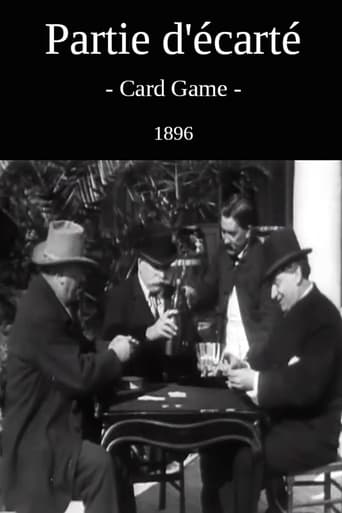
- Featured in 'The Card Game' (1896) during cinema's first year
- Part of the first generation of film actors in history
- Worked during the birth of motion pictures as a medium
Best Known For
Iconic Roles
Must-See Films
Working Relationships
Worked Often With
Studios
Why They Matter
Impact on Culture
Antoine Féraud represents the very beginning of film acting as a practice, participating in cinema's first steps when moving images were a novelty rather than an art form. His work, though brief and simple, helped establish the fundamental concept of human performance captured on film. These early performances by people like Féraud demonstrated that the new medium could capture not just landscapes and events, but human behavior and interaction, paving the way for the development of narrative cinema and the acting profession as we know it today.
Lasting Legacy
While not a household name, Antoine Féraud's legacy is that of a pioneer who was present at the creation of cinema. His appearances in some of the first films ever made place him in the historical record as one of the medium's first performers. He represents the transitional period when photography evolved into motion pictures, and when the concept of 'film acting' was born from simple human activities being captured on camera.
Who They Inspired
As one of the earliest film performers, Féraud's influence is foundational rather than stylistic. He and his contemporaries established that natural human behavior could be compelling when captured on film, influencing the move away from theatrical acting styles that would dominate early narrative cinema. His work demonstrated that everyday activities could become subjects of fascination when viewed through the new medium of motion pictures.
Off Screen
Very little is known about Antoine Féraud's personal life, which was typical for early film performers who were often anonymous participants in experimental cinema rather than celebrated personalities.
Did You Know?
- Appeared in films during the very first year of cinema history (1895)
- His films were made before movies had established narrative structures
- Likely worked with the Lumière brothers, pioneers of cinema
- His film career lasted only about one year, typical of early cinema participants
- Early films like his were often only about 50 seconds long
- He was part of the first generation of people to ever see themselves on film
- His films were shot on 35mm film, a standard that would persist for over a century
- Early cinema performers like Féraud were often friends or employees of the filmmakers rather than professional actors
Frequently Asked Questions
Who was Antoine Féraud?
Antoine Féraud was one of the earliest film actors in cinema history, appearing in several short films in 1895-1896 during the birth of motion pictures. He worked with filmmakers and participated in some of the first moving images ever captured on film.
What films is Antoine Féraud best known for?
Titles linked here include Départ en voiture (1895), Partie de tric-trac (1895).
When was Antoine Féraud born and when did he die?
Unfortunately, specific birth and death dates for Antoine Féraud are not known, which was common for early film performers who were often anonymous participants rather than documented personalities.
What awards did Antoine Féraud win?
Antoine Féraud did not receive any formal awards, as he worked during the very beginning of cinema before film awards and industry recognition existed.
What was Antoine Féraud's acting style?
Féraud's acting style was naturalistic and unstylized, typical of early cinema where performers simply acted as themselves in everyday situations without the theatrical exaggeration that would later characterize silent film acting.