Films
7 films
About Aleksandr Grechaniy
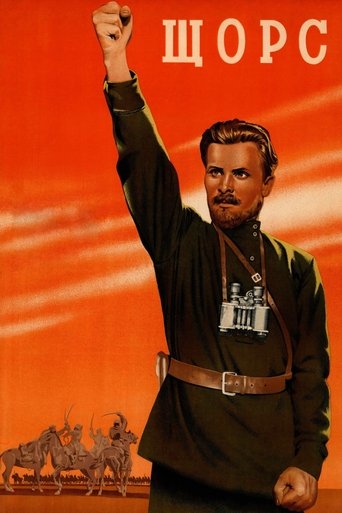
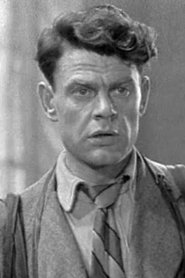
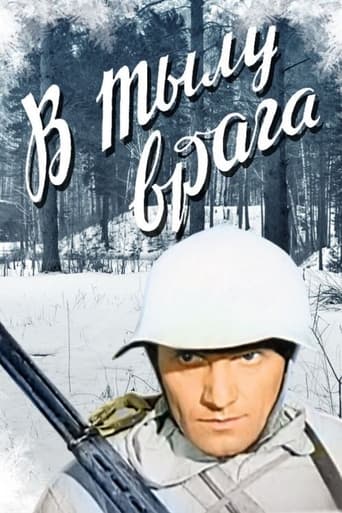
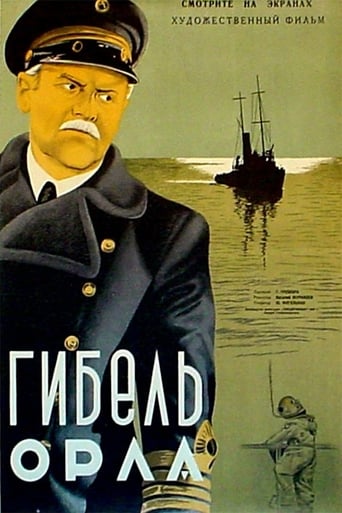
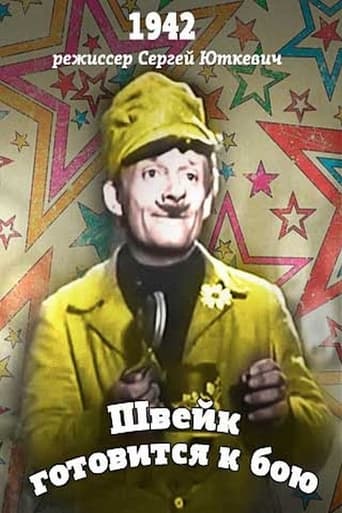
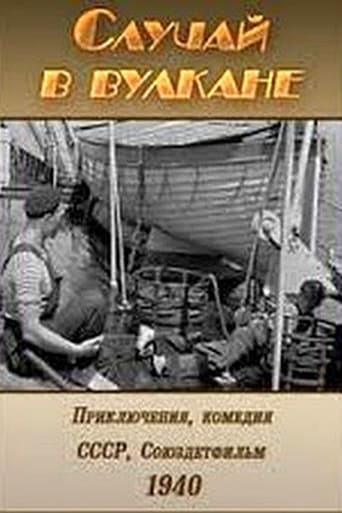
Soviet-era actor: documented screen career is concentrated in the early 1940s, a period when Soviet cinema was deeply intertwined with wartime themes, patriotic storytelling, and historical drama. The surviving filmography associated with his name places him in a small but notable cluster of productions from 1939 to 1942, suggesting he worked primarily during the late prewar and wartime years. He is Aleksandr Grechaniy appeared in films such as Shors (1939), The Disappearance of "Eagle" (1940), В тылу врага (1941), Incident on a Volcano (1941), and Schweik is Preparing For Battle (1942), which indicates participation in both military and dramatic material. Because detailed biographical records for him are scarce in widely available English-language reference sources, many aspects of his life outside these credits remain obscure. What can be said with confidence is that he belonged to the generation of Soviet performers active during historically charged eras of Russian and Soviet screen production. His surviving credits place him within the machinery of state-sponsored cinema at a time when film was used to shape public morale and historical memory. Beyond these film appearances, no reliably documented career chronology, personal background, or later-life record is readily available in standard international film references.
The Craft
Milestones
- Appeared in Shors (1939), a major Soviet film of the late 1930s centered on Civil War-era themes
- Was Aleksandr Grechaniy appeared in the Disappearance of "Eagle" (1940), showing work in early wartime Soviet cinema
- Acted in В тылу врага (1941), a title that reflects the strongly military and patriotic orientation of the period
- Appeared in Incident on a Volcano (1941), expanding his screen presence beyond purely military subject matter
- Was part of Schweik is Preparing For Battle (1942), a wartime-era production drawing on the familiar figure of Schweik
- Built a filmography that is small but historically interesting because it aligns with the Soviet Union's most politically intense screen years
- Represents the many working actors of the era whose contributions survive mainly through film credits rather than extensive biographical documentation
Best Known For
Must-See Films
Why They Matter
Impact on Culture
Aleksandr Grechaniy's cultural importance lies less in celebrity status than in the historical value of his screen work as part of Soviet cinema during the transition from prewar to wartime production. His credited appearances connect him to films made during a period when cinema in the Soviet Union served propaganda, morale-building, and historical interpretation functions at a national level. Even if he was not a major star, actors like Grechaniy helped populate the dramatic universe of these films, giving them texture and credibility. In that sense, his career is representative of the many supporting performers whose names are preserved in filmographies even when broader biographical records are fragmentary. For database and archival purposes, he is part of the important class of working actors whose contributions help map the industrial and artistic history of Soviet-era screen culture.
Lasting Legacy
Grechaniy's lasting legacy is primarily archival: he remains a documented participant in a small group of early 1940s Soviet films that are useful to historians studying wartime representation and studio-era casting. While he does not appear to have left behind a large body of known work or a well-publicized celebrity image, his film credits preserve his place within the historical record. In classic cinema studies, such performers matter because they illustrate the breadth of talent that supported nationally significant productions. His legacy, therefore, is as a traceable but under-documented contributor to Soviet cinema's wartime years. For modern researchers, he stands as an example of how many screen professionals of the era are known chiefly through surviving credits rather than extensive life narratives.
Who They Inspired
There is no clear evidence that Aleksandr Grechaniy exerted a widely documented influence on later actors or filmmakers in the conventional star-system sense. His influence is more indirect, as part of the ensemble of performers who sustained the tonal and ideological fabric of Soviet wartime cinema. Actors in his position helped establish the performance conventions of state-centered dramatic filmmaking, where realism, collective spirit, and patriotic emphasis were often prioritized. In this way, his work contributed to the broader performance culture of early 1940s Soviet film, even if no specific mentorships or direct artistic descendants are documented. His influence is best understood through the films themselves and their place in screen history rather than through a personal legacy of named pupils or emulators.
Off Screen
No reliably verified information is readily available in standard reference sources regarding Aleksandr Grechaniy's personal life, including marriages, family background, or life after his screen work. As with many lesser-documented Soviet performers from the wartime period, his public record appears to be limited primarily to film credits rather than archival biographical profiles. In the absence of verifiable source material, details about his residence, household, relatives, or later career cannot be stated confidently.
Did You Know?
- His documented film career is concentrated in a very short span, 1939-1942.
- He is associated with Soviet films from the politically charged prewar and wartime period.
- He appears in multiple productions whose themes suggest military, historical, or patriotic content.
- He is not widely documented in major English-language film reference works, making him a relatively obscure classic-cinema figure outside specialized archives.
- His surviving credits indicate that he was active during.
- The title Schweik is Preparing For Battle suggests he may have appeared in a film connected to the well-known Schweik literary/cinematic tradition.
- He is an example of a performer whose historical significance rests more on credited participation than on celebrity status.
- No widely verified information has been found regarding his birth, death, or private life in standard accessible sources.
Frequently Asked Questions
Who was Aleksandr Grechaniy?
Soviet with credits in this catalog. He is remembered primarily through film credits in wartime and prewar Soviet productions rather than through an extensive surviving biographical record.
What films is Aleksandr Grechaniy best known for?
Titles linked here include Shors (1939), The Disappearance of "Eagle" (1940).
When was Aleksandr Grechaniy born and when did he die?
Reliable public sources accessible here do not provide verified birth or death dates for Aleksandr Grechaniy. His exact birth place and death information remain unavailable in standard reference materials.
What awards did Aleksandr Grechaniy win?
No verifiable awards or major nominations are currently documented for Aleksandr Grechaniy in the accessible historical record. His significance is mainly tied to his film credits rather than formal honors.
What was Aleksandr Grechaniy's acting style?
No detailed contemporary critical description of his acting style appears to be widely preserved. Based on the kinds of Soviet films in which he appeared, he likely worked in a performance style suited to realistic ensemble drama and wartime storytelling.
What is Aleksandr Grechaniy's legacy in film history?
His legacy is primarily archival and historical. He represents the many working Soviet actors whose names survive through film credits and whose performances contributed to the era's cinematic record, even if their personal biographies are largely lost.