The Tale of the "Neistoviy"
Plot
The film dramatizes the wartime service of the Soviet destroyer "Neistoviy" on the Barents Sea during the Great Patriotic War, presenting its crew as a collective hero confronting peril at sea and the enemy above, below, and on the horizon. Rather than focusing on a single protagonist, the story emphasizes the ship as a fighting unit, with officers and sailors repeatedly forced to make rapid decisions under bombardment, in rough Arctic conditions, and amid constant danger from German forces. As the vessel carries out combat missions, escorts, and defensive operations, the narrative builds toward a celebration of discipline, courage, and mutual trust among the crew. The film frames the destroyer’s exploits as an example of Soviet naval bravery, turning a wartime episode into an inspirational patriotic drama.
About the Production
This was a postwar Soviet naval drama made under the conditions of late-1940s state cinema, when patriotic subjects about the Great Patriotic War were strongly encouraged. As a film centered on a destroyer and Arctic naval combat, it likely relied on studio recreations, miniature work, stock maritime imagery, and controlled location or set filming rather than extensive open-sea production. Boris Babochkin, better known as a major actor, directed the film himself, which makes the project notable within his career. The picture belongs to the period of Soviet war films that sought to memorialize recent wartime exploits while reinforcing discipline, collective heroism, and military vigilance.
Historical Background
The film was made in 1947, just after the end of World War II, when the Soviet Union was still officially and culturally processing the enormous trauma and victory of the Great Patriotic War. In this period, Soviet cinema increasingly turned to war subjects that could memorialize sacrifice, celebrate victory, and help define a heroic national narrative. Naval actions in the Arctic were especially resonant because the Barents Sea and northern convoys were associated with severe conditions, strategic importance, and sustained danger. The film therefore participates in a broader postwar effort to turn recent military history into state-approved cultural memory, with emphasis on collective endurance, vigilance, and patriotic duty. It also reflects the late-Stalin era’s tendency toward sober, morally explicit, and ideologically legible drama.
Why This Film Matters
As a Soviet naval war film, it contributes to the cultural archive of how the USSR represented its military history on screen. The focus on a destroyer and its crew extends the war-cinema tradition beyond land combat, highlighting the often underrepresented Arctic and maritime fronts. It also has significance as a directorial work by Boris Babochkin, whose reputation in Soviet culture gives the film added historical interest. For viewers and scholars, it helps illustrate how postwar Soviet cinema transformed specific acts of military service into emblematic stories of collective heroism and national endurance. Its value today lies not only in its narrative of wartime bravery but also in what it reveals about state cinema, memorial culture, and the aesthetics of Soviet patriotic drama.
Making Of
The project sits at the intersection of Soviet war commemoration and studio-era filmmaking. Boris Babochkin’s involvement is especially significant: he was one of the major actor-directors of the Soviet period, and this film reflects an attempt to translate real wartime naval heroism into a dramatic screen narrative. Given the subject matter, the production would have required careful staging of shipboard action, combat sequences, and sea imagery, likely using studio tanks, constructed deck sets, models, and editing to simulate the destroyer’s movement and the violence of battle. The film was made at a time when Soviet cinema was expected to reinforce historical memory and ideological clarity, so the screenplay and performances would have been shaped by official expectations about patriotic representation, discipline, and collective sacrifice.
Visual Style
The film’s visual style would be expected to emphasize the harshness of Arctic warfare through stark contrasts, disciplined framing, and compositional stress on machinery, decks, and crew coordination. Soviet war films of this period often favored clear, functional imagery over expressive flourish, using close ensemble staging to highlight teamwork and medium shots that show the ship as an active combat environment. Because the story concerns a destroyer on the Barents Sea, the cinematography likely had to suggest cold, wind, spray, smoke, and metallic surfaces, all of which reinforce the physical demands of naval combat. The style is probably rooted in classical studio realism, with careful editing and controlled mise-en-scène rather than documentary spontaneity.
Innovations
The film’s notable technical challenge was the credible staging of destroyer combat and Arctic naval conditions in the limitations of 1940s Soviet production. This likely required practical effects, model work, painted backdrops, and careful montage to create the impression of sea battle and ship movement. The film’s ability to present a coherent wartime naval narrative within studio constraints would itself have been a technical accomplishment for the period. Its value lies less in flashy innovation than in the effective simulation of maritime action for a state drama made in the immediate postwar years.
Music
Specific composer information is not readily confirmed in the available reference data, so the score details are uncertain. In keeping with Soviet war dramas of the late 1940s, the music would likely have been martial, solemn, and emotionally direct, underlining both tension in battle and the dignity of collective sacrifice. Such scores typically use strong orchestral themes to support patriotic resonance and to shape the film’s dramatic pacing. If the soundtrack materials survive, they would be of interest for further archival research, especially in relation to postwar Soviet naval imagery.
Memorable Scenes
- The destroyer undertaking combat operations in the Barents Sea, with the crew working as a coordinated unit under fire.
- Battle sequences that emphasize the ship’s vulnerability to enemy attack while also showcasing Soviet resolve and discipline.
- Moments aboard the vessel where officers and sailors respond instantly to orders, illustrating the film’s collective-heroic perspective.
Did You Know?
- The film’s title refers to the destroyer "Neistoviy," whose wartime actions are presented as the basis for the story.
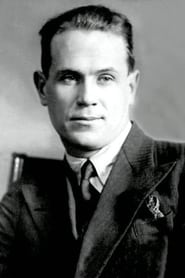
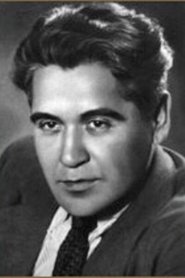
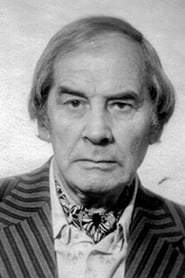
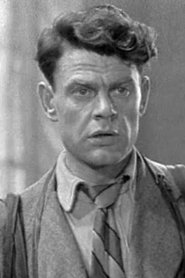
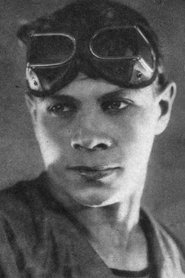
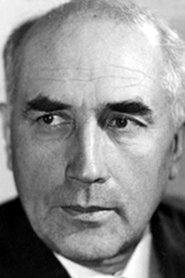
- Boris Babochkin both directed the film and appears in the cast, which is unusual and noteworthy in his career.
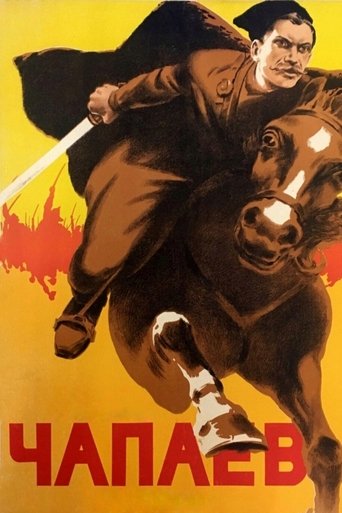
- Babochkin is far better known internationally as an actor, especially for his iconic role in Soviet cinema, making this directorial effort especially interesting to film historians.
- The film belongs to the immediate post-World War II wave of Soviet war pictures that honored recent military sacrifices and victories.
- Its setting on the Barents Sea places it in the Arctic theater of the war, one of the harsher and more symbolically important fronts in Soviet wartime memory.
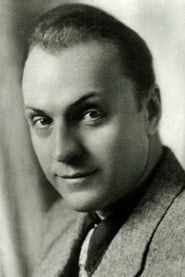
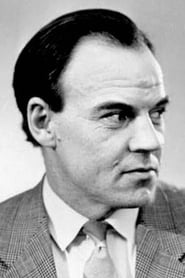
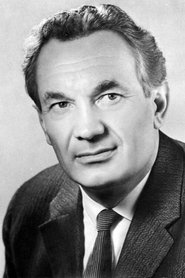
- The cast includes Leonid Kmit and Mikhail Gluzskiy, both of whom were associated with Soviet screen and stage performance across the mid-20th century.
- Because it is a late-1940s Soviet production, the film was almost certainly shaped by state studio priorities and the ideological climate of the era.
- Films like this often emphasized the ship’s crew as a collective rather than highlighting a single personal hero, reflecting Soviet storytelling conventions.
- The film is an example of naval war drama in Soviet cinema, a subgenre less internationally familiar than Soviet infantry or partisan war films.
- It has remained a reference point for historians interested in Soviet depictions of Arctic naval warfare and postwar patriotic cinema.
What Critics Said
Contemporary critical reception is not widely documented in easily accessible English-language sources, and detailed Soviet-era review records are not readily available in standard film-reference databases. As a result, the film is better known today to historians and archive specialists than to a broad international audience. Within the context of Soviet cinema, it would have been read primarily as a patriotic war drama aligned with official values rather than as a formally experimental work. Modern reassessments tend to view such films as important historical artifacts that reveal postwar ideological priorities, production methods, and the representation of military heroism.
What Audiences Thought
Public reception data is not readily available in the commonly accessible sources used for international film databases. Given the film’s 1947 Soviet context, audience response would have been shaped by the state-controlled exhibition system and by the strong postwar appetite for stories of wartime bravery and sacrifice. Contemporary viewers likely encountered it as a serious, patriotic drama honoring naval service, especially for audiences with direct memories of the war. Today it is mainly of interest to viewers of classic Soviet cinema, military history enthusiasts, and archivists seeking lesser-known postwar war films.
Film Connections
Influenced By
- Soviet wartime newsreels and documentary-style military imagery
- Postwar Soviet patriotic drama traditions
- Naval combat narratives drawn from Great Patriotic War history
This Film Influenced
- Later Soviet naval war dramas
- Postwar Russian war films focused on collective military heroism
You Might Also Like
More Drama Films
View allMore from Boris Babochkin
View allFilm Restoration
Preservation status is not clearly documented in the accessible reference material, but the film is not generally regarded as lost and appears to survive in archival circulation or catalog records.