Also available on: YouTube Wikimedia
Pobeda

Pobeda

1938 Soviet Union
Technological progressSoviet patriotismHeroism and enduranceCollective achievementModernity and scientific ambition

Plot

Pobeda is a Soviet documentary about the remarkable non-stop around-the-world flight undertaken by three Soviet pilots aboard the stratoplane Pobeda-1. The film follows the expedition as both an aviation feat and a national achievement, emphasizing the technical daring, discipline, and collective effort behind the mission. Rather than presenting a fictional narrative, it traces the flight as a real-world event, building suspense around the aircraft's journey and the challenges associated with long-distance high-altitude aviation. The documentary frames the pilots as embodiments of Soviet progress and scientific ambition, turning the flight into a symbol of modernity, endurance, and triumph. Its structure reflects the period's blend of newsreel documentation and ideological celebration, making the journey itself the dramatic center of the film.

About the Production

Release Date 1938
Production Mosfilm
Filmed In Soviet Union, Locations associated with the flight route and staged documentary material

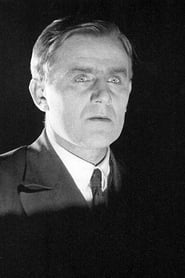
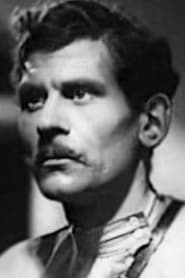
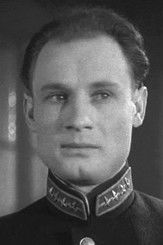
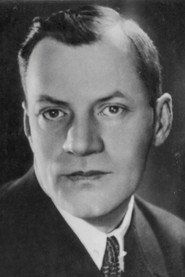
This was produced as a documentary account of a celebrated Soviet aviation event rather than as a fictional studio drama. Like many late-1930s Soviet documentaries, it likely combined actual observational footage, staged or reenacted material, and editorial narration to shape the event into a politically meaningful story of technological achievement. The film is associated with Mikhail Doller, a director active in Soviet cinema, and with performers credited in archival sources who may have provided narration, re-created dialogue, or on-screen presentation rather than conventional dramatic acting. Because the subject was a real flight, the production depended on available newsreel and documentary footage, careful montage, and the propaganda function of presenting Soviet aviation as world-leading.

Historical Background

The film was made in 1938, during the late Stalin era, a period in which Soviet cinema was deeply intertwined with state ideology and the celebration of industrial, scientific, and military progress. Aviation was one of the Soviet Union's most potent symbols of modernity, and long-distance flights were presented not merely as technical milestones but as proof of socialist capability and national strength. Documentary films of this era often functioned as public affirmations of collective achievement, and Pobeda fits squarely within that tradition. The film also reflects international competition in aviation during the 1930s, when round-the-world and long-range flights captured global attention and became markers of prestige for nations and their technological systems. In that historical moment, the film mattered because it transformed a specific aviation event into a broader ideological story about Soviet advancement, endurance, and mastery of the future.

Why This Film Matters

Pobeda is culturally significant as part of the Soviet documentary tradition that elevated engineering feats and state-sponsored achievement into cinematic myth. Its subject matter places it within a wider visual culture that celebrated pilots, explorers, factory workers, and scientists as heroic builders of the socialist project. For audiences and later historians, the film is valuable not only as a record of a notable aviation event but also as an example of how Soviet cinema framed reality to produce inspiration and political meaning. The film contributes to the history of aviation cinema and documentary propaganda, showing how non-fiction film could be used to create national pride and a sense of historical momentum. Its importance today lies as much in what it reveals about Soviet cultural priorities as in the flight it documents.

Making Of

Pobeda was made in the context of Soviet documentary practice, where filmmakers often transformed current events into carefully shaped cinematic narratives. The production would have relied on the availability of aviation footage, official material, and a strong editorial structure to highlight the heroism of the pilots and the supposed inevitability of Soviet success. Documentary filmmaking in this period was closely tied to state institutions, so the film's tone and emphasis were likely influenced by political imperatives as much as by journalistic record. The credited names associated with the film suggest a hybrid documentary approach in which narration, commentary, and possibly dramatized reenactment helped make the account vivid for audiences. As with many films of the era, precise behind-the-scenes records are sparse, but the project clearly belonged to the Soviet tradition of turning feats of science and labor into screen epics.

Visual Style

As a 1938 Soviet documentary, Pobeda likely relies on a mix of observational footage, aerial imagery, and montage editing designed to make the flight feel dynamic and monumental. Soviet documentary cinematography of the period often emphasized movement, machinery, and the relationship between human bodies and industrial technology, and this film's subject would have encouraged dramatic compositions of aircraft, runways, maps, and officials. The visual style probably uses bold contrasts between the machine and the environment, while editorial rhythm helps build momentum across the flight's duration. Because the film is a documentary about a specific feat, its cinematography is less about aesthetic abstraction than about making the event legible, exciting, and heroic. The overall approach would have aligned with late-1930s Soviet nonfiction cinema's preference for clarity, scale, and ideological emphasis.

Innovations

The film's technical interest lies primarily in its documentary capture and cinematic organization of a major aviation event. By recording and shaping footage of the stratoplane Pobeda-1 and its around-the-world flight, the film translates a feat of engineering into a cinematic experience. Soviet documentaries of this kind often used montage, map graphics, narration, and carefully selected imagery to make complex technical achievements comprehensible to general audiences. The film stands as an example of how documentary cinema could serve as a form of technological publicity, visually affirming the sophistication of Soviet aeronautics. While no single breakthrough technique is widely associated with the title, its historical significance lies in the way it uses film form to monumentalize modern engineering.

Music

Specific surviving details about the score are not widely documented in accessible sources. As with many Soviet documentaries of the late 1930s, the film likely used music and narration to shape emotional emphasis, creating an atmosphere of suspense, triumph, and collective pride. The soundtrack would have functioned as an interpretive layer rather than simple accompaniment, guiding viewers toward the intended political and patriotic reading of the flight. If present in surviving prints, the audio likely reflects the era's documentary style, where music and spoken commentary were essential tools for ordering real events into a coherent story. Exact composer information is not readily confirmed in the available record.

Memorable Scenes

  • The presentation of the stratoplane Pobeda-1 as the centerpiece of the historic flight.
  • Sequences emphasizing the aircraft's long-distance progress and the scale of the around-the-world journey.
  • Patriotic framing that turns the pilots' accomplishment into a national triumph.

Did You Know?

  • The film documents a real Soviet aviation achievement rather than adapting a fictional story.
  • Its subject is the non-stop flight of three Soviet pilots around the globe aboard the stratoplane Pobeda-1.
  • The title Pobeda means Victory in Russian, giving the film an overtly triumphant ideological framing.
  • Mikhail Doller was known for work connected to Soviet documentary and historical cinema, which fits the film's celebratory tone.
  • The film belongs to a period when Soviet documentaries frequently served both informational and propagandistic purposes.
  • Its cast listing suggests a documentary structure that may include narration or dramatized presentation rather than standard character acting.
  • The film reflects the late-1930s fascination with aviation, exploration, and technological prowess in the USSR.
  • Because it is an archival-era documentary, surviving details about exact production logistics, runtime, and release pattern are limited in accessible sources.

What Critics Said

Contemporary critical response is not widely documented in readily accessible international sources, which is common for Soviet documentary shorts and non-fiction features of this period. Within the Soviet context, a film such as Pobeda would likely have been regarded as a successful affirmation of the country's technological achievements and documentary cinema's service to public education and ideological mobilization. Modern critical interest tends to focus less on conventional artistry than on its historical value, its propaganda function, and its place in the evolution of Soviet documentary form. Today it would most likely be discussed by scholars as an archival artifact that illustrates the intersection of journalism, state spectacle, and patriotic narration. Because it is not widely circulated in mainstream repertory cinema, detailed contemporary criticism is limited.

What Audiences Thought

Specific audience reaction data is not readily available, but the film was presumably intended for Soviet viewers who would have recognized the flight as a matter of national pride. For audiences in 1938, the documentary likely functioned as both an informational account and a thrilling demonstration of Soviet aviation prowess. The emotional impact would have come from the combination of real-world stakes, patriotic framing, and the sense of participating in a historic technological accomplishment. Modern audiences encountering the film are more likely to view it as an archival and historical document than as mainstream entertainment. Its appeal today is strongest for viewers interested in Soviet history, documentary cinema, and the cultural staging of technological progress.

Film Connections

Influenced By

  • Soviet newsreels and industrial documentaries of the 1930s
  • Dziga Vertov's documentary traditions
  • State-sponsored aviation reportage and current-event cinema
  • The Soviet cult of technological and heroic achievement

This Film Influenced

  • Later Soviet aviation documentaries
  • State celebratory documentary films about science and labor
  • Documentaries that dramatize national technical achievements

Film Restoration

Likely preserved in archival form, though access and circulation appear limited; no widely noted restoration status is readily confirmed in accessible sources.

Themes & Topics

aviationdocumentaryaround-the-world flightSoviet pilotsstratoplanepropagandaheroismtechnology