
Films
5 films
About Tom Powers
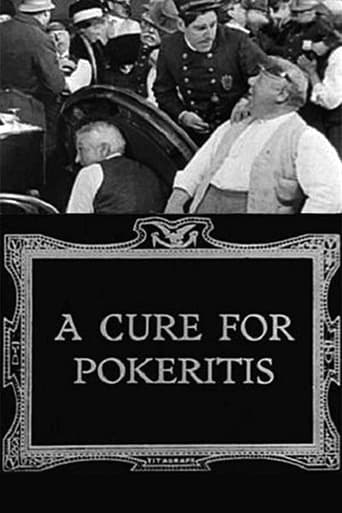
Child actor and early silent-era screen performer: filmography places him among the very young players working in American cinema during the first wave of narrative filmmaking. He is documented in early films such as A Cure for Pokeritis (1912), A Window on Washington Park (1913), and Gertie the Dinosaur (1914), all of which come from the formative period when motion pictures were still experimenting with comic structure, location shooting, and animation. His career appears to have been brief and centered on childhood roles rather than a long adult screen career, and he is best remembered today as part of the cast of these early films rather than as a major star. The available record suggests that he was active during the silent era only, with no reliable evidence of an extended later career under the same name. Because early film documentation is often incomplete, especially for juvenile performers, many personal details about him are not securely recorded in surviving standard reference sources. Even so, his presence in these historically important films makes him a small but noteworthy figure in the earliest years of American cinema. He should not be confused with the later actor Tom Powers, who was a different and much better documented performer associated with stage and sound-era screen acting.
The Craft
On Screen
As a very early silent-era child performer, Tom Powers likely worked in the natural, broadly expressive style typical of juvenile players in one-reel films. Performances from this period relied heavily on clear gestures, reactive facial expression, and simple screen behavior that could be read easily in the absence of synchronized dialogue. Because surviving documentation on his individual technique is extremely limited, any description of his style must be inferred from the conventions of the era rather than from extensive critical commentary. His screen presence would have been shaped by the needs of domestic comedy and early novelty filmmaking, where children often provided realism, charm, and audience identification.
Milestones
- Appeared in A Cure for Pokeritis (1912), one of the early American silent comedy shorts associated with the formative Vitagraph era
- Appeared in A Window on Washington Park (1913), preserving his place in early 1910s neighborhood and domestic subject films
- Had a credited presence in Gertie the Dinosaur (1914), one of the landmark early animated films in cinema history
- Worked during the crucial period when American film was transitioning from simple one-reel novelties to more structured narrative entertainment
- Represents one of the many child performers who contributed to the texture and realism of silent-era productions
Best Known For
Iconic Roles
Must-See Films
Working Relationships
Studios
Why They Matter
Impact on Culture
Tom Powers's cultural impact is modest in the sense of stardom, but meaningful in the context of early cinema history. He is part of the generation of performers, especially children, whose work helped establish the everyday realism and emotional immediacy that silent films increasingly relied upon in the 1910s. His association with Gertie the Dinosaur also places him near one of the milestone works of animation history, a film that helped define what animated characters could accomplish on screen. For historians, figures like Powers are important because they reveal how early film production depended on a wide cast of small, often unheralded contributors rather than only on marquee names.
Lasting Legacy
His legacy lies primarily in historical documentation rather than celebrity. By appearing in films from 1912 to 1914, he became part of the foundational body of American silent cinema that shaped later narrative film grammar, comic timing, and screen performance conventions. He is a reminder that many silent-era credits belong to players whose careers were brief, whose names were not preserved in studio publicity, and whose contributions survive mostly through the films themselves. For archivists and film scholars, his presence in these early titles adds to the understanding of how casts were assembled and how child performers participated in the first decade of film production.
Who They Inspired
There is no evidence that Tom Powers directly influenced later actors or directors in a documented, personal sense. His broader influence is indirect: as one of many child performers in early silent films, he contributed to the collective performance culture that later actors inherited. The naturalized child behavior seen in early comedy and domestic drama helped set patterns for screen realism that became standard in American cinema. His name remains useful to historians because it helps map the human workforce behind early film form.
Off Screen
No reliable, widely documented biographical record survives in standard film-reference sources for this Tom Powers, including clear information on his family, marriages, adult life, or later occupation. Because he appears to have been active as a child performer in the early 1910s, the absence of detailed personal data is not unusual; many juvenile silent-era players were recorded only in casts and trade notices. Researchers should be cautious not to merge his records with those of the later, separate actor of the same name. At present, his personal life must be regarded as largely undocumented in the surviving public film record.
Did You Know?
- Tom Powers is documented in films from the very beginning of the 1910s, making him an early participant in narrative motion pictures.
- He should not be confused with the later actor Tom Powers associated with stage work and sound-era films; they are different people.
- His appearance in Gertie the Dinosaur connects him to.
- Early child actors were often under-credited or inconsistently credited, which is one reason his biography is difficult to reconstruct.
- His surviving filmography suggests a short screen career concentrated in the silent era.
- Many performers like him are known today mainly because their names appear in cast lists of historically significant films rather than because of extensive publicity materials.
- His documented activity predates the feature-film dominance that would come to define the later 1910s and 1920s.
Frequently Asked Questions
Who was Tom Powers?
Early silent-era with credits in this catalog. He is remembered mainly for appearing in a few early American films rather than for a long or heavily publicized career.
What films is Tom Powers best known for?
Titles linked here include A Cure for Pokeritis (1912), A Window on Washington Park (1913).
When was Tom Powers born and when did he die?
Reliable public sources do not consistently provide verified birth and death details for this specific Tom Powers. Because he appears to have been an early child performer, his later life was not as fully documented as that of major silent-era stars.
What awards did Tom Powers win?
No awards or formal honors are documented for this Tom Powers in the available classic-cinema record. Early silent-era child performers were rarely recognized with the kinds of awards that became common later in film history.
What was Tom Powers's acting style?
As a silent-era performer, his style would have depended on clear gestures, expressive reactions, and simple physical behavior suited to the screen. Because surviving criticism and production notes are scarce, the best description is that he worked within the natural, broadly readable performance style common to early 1910s cinema.
Why is Tom Powers important in film history?
His importance is historical rather than star-based: he appears in films from the earliest period of American narrative filmmaking. His credit in Gertie the Dinosaur also connects him to one of the landmark works in the history of animation.