Films
2 films
About Yelena Shatrova
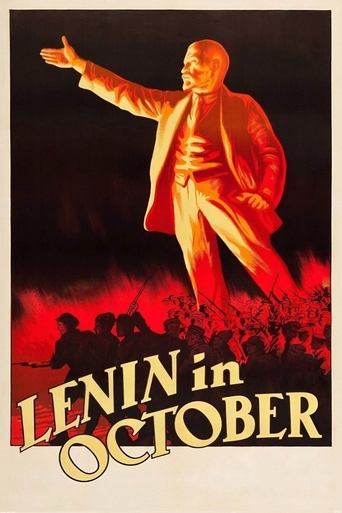
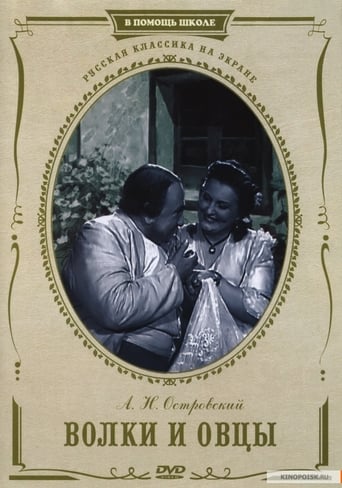
Soviet actress active during the Stalinist era of Soviet cinema, appearing in notable productions between 1937 and 1953. Her a crucial period in Soviet film history, encompassing both the height of Socialist Realism and the post-war years. Yelena appears in 'Lenin in October' (1937), Soviet historical films of the 1930s, which depicted the October Revolution and featured prominently in Soviet cultural propaganda. Her later work in 'Wolves and Sheep' (1953) demonstrated her versatility, adapting from historical epics to literary adaptations. Like many Soviet actors of her generation, her career was shaped by the political and cultural demands of the Soviet system, with film serving as an important medium for ideological education and cultural expression.
The Craft
On Screen
Likely adhered to the Socialist Realist style prevalent in Soviet cinema of the 1930s-1950s, characterized by clear ideological messaging, heroic characterizations, and theatrical delivery techniques that emphasized moral and political clarity over psychological nuance
Milestones
- Appeared in 'Lenin in October' (1937), a landmark Soviet historical film
- Performed in 'Wolves and Sheep' (1953)
- Worked during the height of Soviet Socialist Realism in cinema
- Participated in Soviet film industry during Stalin era
Best Known For
Iconic Roles
Must-See Films
Working Relationships
Studios
Why They Matter
Impact on Culture
As an actress in 'Lenin in October', Yelena Shatrova participated in. The film was mandatory viewing in Soviet schools and was shown repeatedly on television, making it a cornerstone of Soviet cultural memory. Her contribution to Soviet cinema, while not extensively documented, represents the work of countless actors who formed the backbone of the Soviet film industry during its formative years. These actors helped create the visual language and performance style that defined Soviet cinema for decades.
Lasting Legacy
Yelena Shatrova's legacy is preserved through her participation in historically significant Soviet films that continue to be studied by film historians and scholars of Soviet culture. 'Lenin in October' remains an important document for understanding how Soviet cinema was used to construct political narratives and shape historical consciousness. While individual details about her career may be limited, her work exemplifies the collaborative nature of Soviet filmmaking and the role of actors in the cultural project of building Soviet identity through cinema.
Who They Inspired
Limited documentation exists about her specific influence on other performers, though as part of the Soviet film industry during a crucial period, she would have contributed to the development of acting techniques and performance styles that influenced subsequent generations of Soviet actors working within the Socialist Realist tradition.
Off Screen
Limited information available about personal life, which was common for Soviet actors whose private details were often not extensively documented in publicly accessible sources
Did You Know?
- The film 'Lenin in October' was
- 'Wolves and Sheep' (1953) was likely based on Alexander Ostrovsky's classic Russian play
- Soviet actors of this era often had to balance artistic expression with strict ideological requirements
- Film production in the Soviet Union during this period was controlled entirely by the state
Frequently Asked Questions
Who was Yelena Shatrova?
Screen credits include notable Soviet films including 'Lenin in October' (1937) and 'Wolves and Sheep' (1953). She worked during a significant period in Soviet cinema history when film served as an important medium for political and cultural expression.
What films is Yelena Shatrova best known for?
Titles linked here include Lenin in October (1937), Wolves and Sheep (1953).
When was Yelena Shatrova active in film?
Yelena Shatrova's known film active years covered from 1937 to 1953, covering a crucial period in Soviet cinema that included the height of Socialist Realism and the post-war Stalin era.
What was significant about 'Lenin in October'?
'Lenin in October' was. It played a crucial role in shaping the historical narrative of the revolution for generations of Soviet people.
What was Soviet cinema like during Yelena Shatrova's career?
Soviet cinema during 1937-1953 was characterized by the Socialist Realist style, state control of production, and the use of film as ideological education. Films from this era emphasized heroic characters, clear moral messages, and served the political goals of the Soviet state.