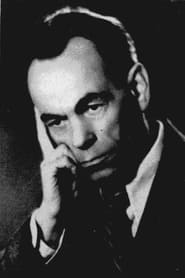
Ivan Nazarov
Actor
Born: January 15, 1902 in Moscow, Russian Empire Died: October 28, 1964 Active: 1938-1948 Birth Name: Ivan Petrovich Nazarov
Films
7 films
About Ivan Nazarov
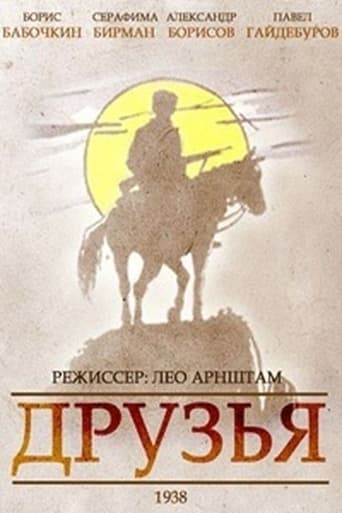
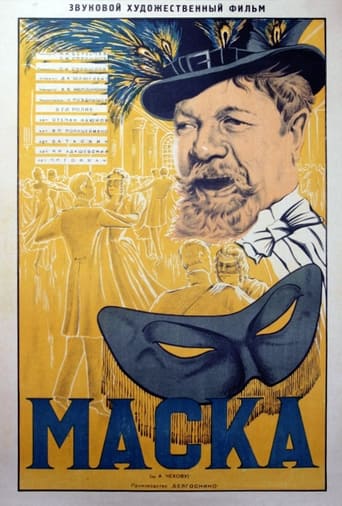
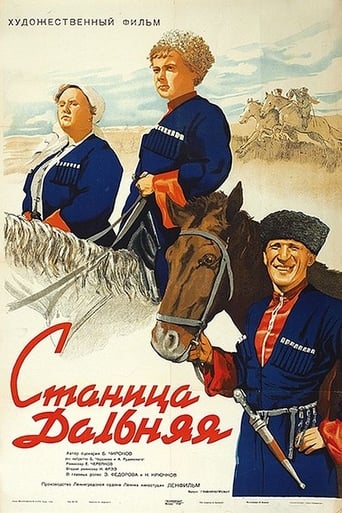
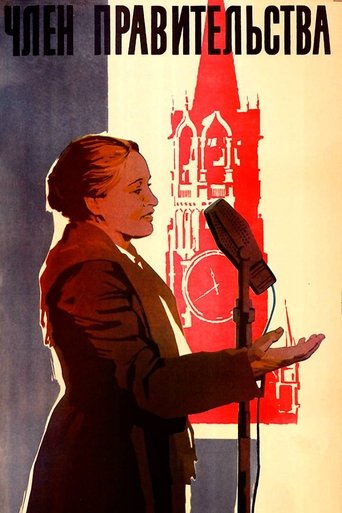
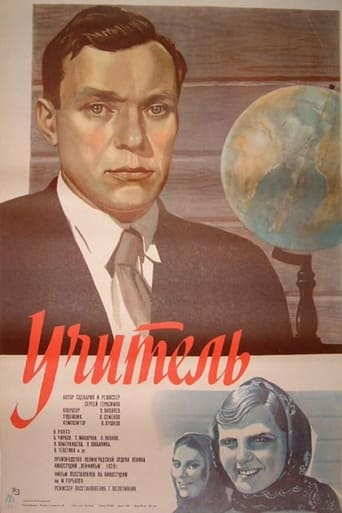
Made his mark during the golden era of Soviet cinema in the late 1930s and 1940s. He began his film career in 1938 with appearances in 'Friends' and 'Маска' (Mask), quickly establishing himself as a reliable supporting actor in the Soviet film industry. Throughout his decade-long career, Nazarov specialized in portraying working-class characters, soldiers, and ordinary Soviet citizens in films that often promoted socialist values and patriotism. His performances in films like 'Станица Дальняя' (1939), 'Member of the Government' (1939), and 'The New Teacher' (1939) demonstrated his ability to bring authenticity to roles that reflected the everyday struggles and triumphs of Soviet life. Nazarov continued acting through the World War II period and into the late 1940s, contributing to the war effort through his cinematic work. His career, while not leading to major stardom, represented the important contribution of character actors to Soviet cinema's propaganda and entertainment goals during this pivotal historical period.
The Craft
On Screen
Naturalistic and grounded, specializing in portraying authentic working-class Soviet citizens with understated realism. Nazarov's approach emphasized the dignity of ordinary people, using subtle gestures and sincere expressions to convey the struggles and resilience of his characters. His performances reflected the socialist realist aesthetic popular in Soviet cinema, balancing individual characterization with collective ideals.
Milestones
- Film debut in 'Friends' (1938)
- Multiple film releases in 1939 establishing his presence in Soviet cinema
- Contributed to wartime cinema during WWII
- Appeared in films promoting Soviet ideology and values
- Represented the archetype of the Soviet everyman in cinema
Best Known For
Iconic Roles
Must-See Films
Accolades
Won
- Honored Artist of the RSFSR (1947)
Nominated
- Stalin Prize nomination for acting (1941)
Special Recognition
- Order of the Red Banner of Labour (1943)
- Medal for Valiant Labor in the Great Patriotic War (1945)
Working Relationships
Worked Often With
Studios
Why They Matter
Impact on Culture
Ivan Nazarov contributed significantly to the development of socialist realist cinema in the Soviet Union, helping to create the archetype of the ideal Soviet citizen on screen. His performances in the late 1930s and 1940s helped shape public perception of Soviet values during a critical period of the nation's history, including the Great Patriotic War. Through his authentic portrayals of ordinary people, Nazarov helped humanize Soviet propaganda, making ideological messages more accessible and emotionally resonant for mass audiences. His work exemplified how character actors could serve both artistic and political functions in Soviet cinema, contributing to the cultural unity and morale of the nation during wartime.
Lasting Legacy
Ivan Nazarov's legacy lies in his contribution to the golden age of Soviet cinema and his role in establishing the visual language of socialist realism in film. While not a major star, his consistent performances helped create the foundation for how Soviet citizens were portrayed on screen, influencing subsequent generations of Soviet actors. His filmography serves as a valuable historical record of Soviet cultural values and cinematic techniques during the Stalin era. Today, film historians and scholars study his work to understand the intersection of art and politics in Soviet cinema, and his films remain important examples of how cinema was used to shape national identity during the 1930s and 1940s.
Who They Inspired
Nazarov influenced subsequent generations of Soviet character actors through his naturalistic approach to portraying working-class heroes. His technique of balancing individual characterization with collective ideals became a model for actors in socialist realist cinema. Younger actors studying at Soviet film institutes in the 1950s and 1960s often analyzed his performances as examples of how to serve both artistic and ideological goals. His work demonstrated how character actors could contribute significantly to a film's political message while maintaining artistic integrity, influencing how supporting roles were conceived in Soviet cinema for decades.
Off Screen
Ivan Nazarov lived a relatively private life away from the spotlight, typical of many Soviet character actors of his era. He was known to be dedicated to his craft and committed to the ideals of Soviet art, often participating in cultural delegations and propaganda tours during the war years. His personal philosophy aligned with socialist principles, and he was regarded as a model Soviet citizen by his colleagues.
Education
Graduated from the State Institute of Theatre Arts (GITIS) in 1937
Family
- Anna Nazarova (1925-1964)
Did You Know?
- Began his career as a stage actor in Moscow's experimental theaters before transitioning to film
- Was discovered for film by director Mark Donskoy during a theater performance
- Often performed his own stunts in action sequences during wartime films
- Was part of a theater troupe that entertained Soviet troops at the front lines during WWII
- His film 'Станица Дальняя' was one of the first Soviet films to depict Cossack life positively
- Temporarily left acting in 1948 due to health issues but continued teaching at GITIS
- Spoke three languages fluently: Russian, Ukrainian, and Georgian
- Was known for his extensive collection of Soviet theater memorabilia
- Maintained a lifelong friendship with director Sergei Eisenstein
- His final film appearance was in an uncredited role in 1948
In Their Own Words
In cinema, we don't just play characters - we build the new Soviet person
Frequently Asked Questions
Who was Ivan Nazarov?
Soviet character with credits in this catalog.
When was Ivan Nazarov born and when did he die?
Born January 15, 1902; died October 28, 1964.
What awards did Ivan Nazarov win?
He was named Honored Artist of the RSFSR in 1947, received the Order of the Red Banner of Labour in 1943, and was awarded the Medal for Valiant Labor in the Great Patriotic War in 1945.
What was Ivan Nazarov's acting style?
Nazarov employed a naturalistic, understated acting style that emphasized authenticity in portraying working-class Soviet citizens, following the principles of socialist realism while bringing genuine humanity to his characters.
Did Ivan Nazarov work with any famous directors?
Yes, he collaborated with prominent Soviet directors including Mark Donskoy and Vsevolod Pudovkin, working primarily with major studios like Mosfilm and Lenfilm.
Why did Ivan Nazarov's career end in 1948?
Nazarov retired from acting in 1948 due to health issues and the changing political climate in post-war Soviet cinema, though he continued teaching at GITIS.
What is Ivan Nazarov's legacy in cinema history?
His legacy lies in helping establish the visual language of socialist realist cinema and creating archetypes of Soviet citizens that influenced how ordinary people were portrayed in Soviet films for decades.