Films
5 films

About Nikolay Urvantsov
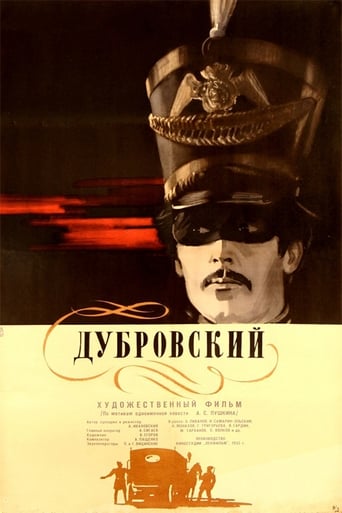
Soviet actor active during the 1930s, appearing in several notable films of the Stalinist era. His career, though relatively brief, spanned from 1934 to 1939, coinciding with a significant period in Soviet cinema development. Urvantsov worked primarily in supporting and character roles, contributing to some of the most important Soviet productions of the mid-1930s. His performances reflected the socialist realist style that dominated Soviet cinema during this period, emphasizing idealized portrayals of Soviet citizens and revolutionary heroes. Despite his appearances in significant films like 'Dubrovskiy' (1936), which was based on Pushkin's classic work, detailed biographical information about Urvantsov remains scarce in historical records. His filmography suggests he was a working actor within the Soviet studio system, likely affiliated with major film studios like Mosfilm or Lenfilm. The abrupt end to his known filmography in 1939 may reflect the disruptions caused by World War II or the political purges that affected many in the Soviet arts community.
The Craft
On Screen
Urvantsov's acting style was typical of the socialist realist approach dominant in Soviet cinema during the 1930s. This style emphasized clear, heroic portrayals of characters that served as positive examples for Soviet citizens. His performances likely featured strong emotional expressiveness combined with ideological clarity, avoiding the subtle ambiguity favored in Western cinema. The socialist realist style demanded that actors embody the ideals of the Soviet state, with performances that were both technically proficient and politically correct in their messaging.
Milestones
- Appeared in 'Dubrovskiy' (1936), a classic Soviet adaptation of Pushkin's work
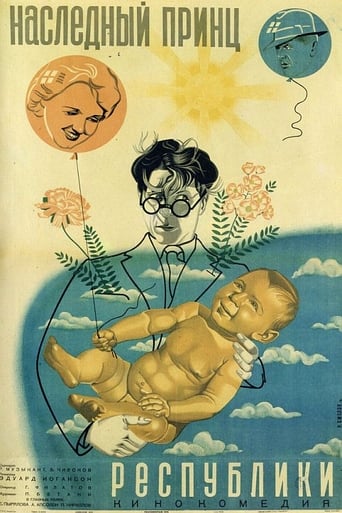
- Acted in 'Crown Prince of the Republic' (1934)
- Featured in 'Three Comrades' (1935)
- Worked during the height of socialist realist cinema in the Soviet Union
Best Known For
Iconic Roles
Must-See Films
Working Relationships
Worked Often With
Studios
Why They Matter
Impact on Culture
Nikolay Urvantsov contributed to the cultural landscape of Soviet cinema during a crucial period of its development. His participation in films like 'Dubrovskiy' helped bring classic Russian literature to the screen in ways that aligned with Soviet ideological goals. While not a major star, his work as a character actor supported the ensemble casts that were essential to Soviet film production of the era. The films he appeared in represent important examples of how Soviet cinema adapted literary works and contemporary themes to serve the cultural and political objectives of the state.
Lasting Legacy
Urvantsov's legacy lies primarily in his contribution to the preservation and adaptation of Russian literary classics for Soviet cinema. His appearances in films from the mid-1930s provide valuable documentation of the acting styles and production values of the period. Though not widely remembered today, his work forms part of the foundation upon which Soviet cinema was built during its formative years. The films he participated in continue to be studied by film historians interested in understanding the evolution of Soviet cinema and the implementation of socialist realism in film.
Who They Inspired
As a working actor within the Soviet studio system, Urvantsov's influence would have been primarily through his contributions to the films in which he appeared. His performances helped establish the visual and dramatic language of socialist realist cinema that would dominate Soviet filmmaking for decades. While he may not have directly mentored other actors or significantly influenced acting techniques, his work exemplified the professional standards expected of Soviet actors during this politically charged period.
Off Screen
Very little information is available about Nikolay Urvantsov's personal life, which is not uncommon for Soviet character actors of this period. Many details about the private lives of Soviet film professionals from the 1930s remain undocumented or inaccessible, particularly for those who were not among the most prominent stars of the era. The limited historical record may reflect both the relative obscurity of the actor and the tumultuous political climate that affected record-keeping during this period of Soviet history.
Did You Know?
- Appeared in films during the height of Stalin's purges, a dangerous time for Soviet artists
- Participated in 'Dubrovskiy' (1936),
- His film active years covered exactly five years, from 1934 to 1939
- Worked exclusively in Soviet cinema during a period when the film industry was heavily state-controlled
- His filmography reflects the Soviet emphasis on literary adaptations and contemporary revolutionary themes
- The abrupt end to his known film work in 1939 coincides with the beginning of World War II
- Like many Soviet character actors of his era, detailed biographical information remains scarce
Frequently Asked Questions
Who was Nikolay Urvantsov?
Soviet with credits in this catalog. He worked during the height of socialist realist cinema in the Soviet Union, primarily in supporting and character roles.
What films is Nikolay Urvantsov best known for?
Titles linked here include Dubrovskiy (1936), Crown Prince of the Republic (1934).
When was Nikolay Urvantsov active as an actor?
Nikolay Urvantsov's known acting active years covered from 1934 to 1939, covering exactly five years of work in Soviet cinema during the Stalinist era.
What was Nikolay Urvantsov's acting style?
Urvantsov's acting style reflected the socialist realist approach dominant in Soviet cinema during the 1930s, characterized by clear, heroic portrayals that served as positive examples for Soviet citizens, with strong emotional expressiveness combined with ideological clarity.
Why is there limited information about Nikolay Urvantsov?
Limited information about Urvantsov is typical for Soviet character actors of his era, many of whom were not extensively documented in historical records. This may reflect both his relative obscurity and the tumultuous political climate that affected record-keeping during the 1930s in the Soviet Union.