

Vladimir Druzhnikov
Actor
Born: June 14, 1922 in Moscow, Soviet Russia Died: February 20, 1994 Active: 1945-1953 (primary career period) Birth Name: Vladimir Vasilyevich Druzhnikov
Films
7 films
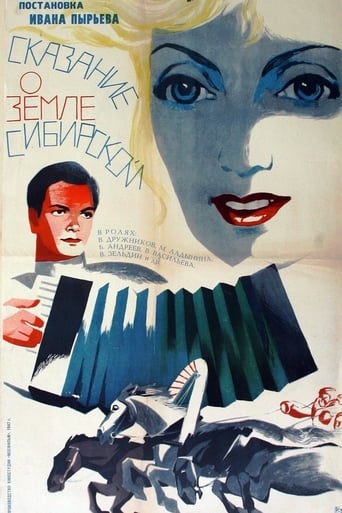
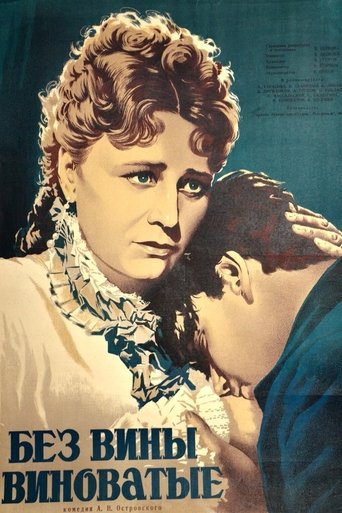
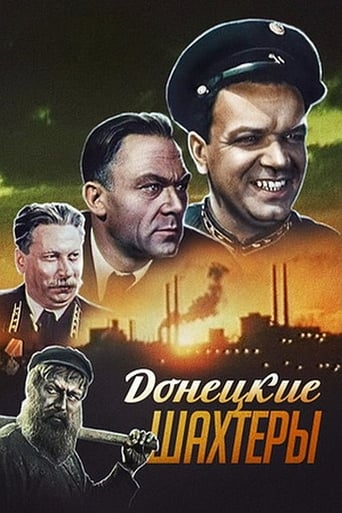
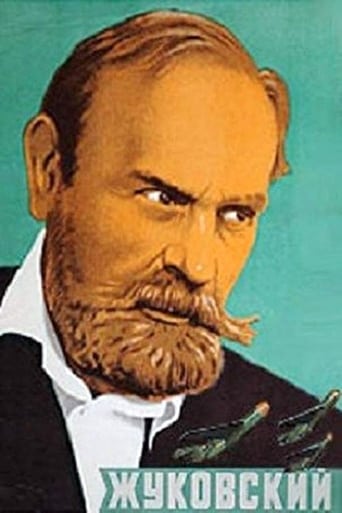
About Vladimir Druzhnikov
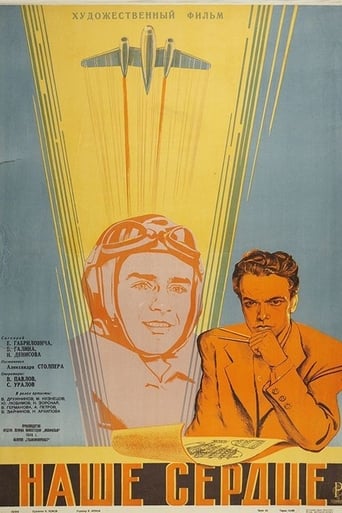
Vladimir Vasilyevich Druzhnikov was and handsome leading actors of Soviet cinema during the immediate post-World War II era. Born in Moscow in 1922, he graduated from the prestigious Gerasimov Institute of Cinematography (VGIK) in 1945 and immediately launched into a remarkable career that saw him become a romantic icon for Soviet audiences. His breakthrough came with his role in 'Guilty Without Guilt' (1945), which established him as a leading man capable of both dramatic intensity and romantic charm. Throughout the late 1940s, Druzhnikov starred in numerous high-profile productions including 'The Stone Flower' (1946), 'Our Heart' (1946), and 'Tale of the Siberian Land' (1947), becoming bankable stars in the Soviet film industry. His career trajectory was dramatically altered in the early 1950s when he became a target of the anti-cosmopolitan campaign, a period of political persecution that affected many Jewish intellectuals and artists in the Soviet Union. Despite being awarded the title of Honored Artist of the RSFSR in 1951, his film appearances became increasingly sporadic, and by the mid-1950s, his once-promising career had effectively ended. He spent his later years working in smaller roles and teaching, dying in relative obscurity in 1994, largely forgotten by the audiences who had once adored him.
The Craft
On Screen
Druzhnikov was known for his naturalistic yet romantic acting style, which combined classical theatrical training with a more modern, film-appropriate subtlety. He possessed remarkable screen presence and was particularly adept at conveying complex emotions through nuanced facial expressions and body language. His performances often featured a blend of masculine strength and romantic sensitivity, making him ideal for the heroic leading roles that were popular in Soviet cinema of the 1940s. Critics praised his ability to bring depth to characters that might otherwise have been one-dimensional Soviet archetypes, and his handsome appearance made him particularly popular with female audiences.
Milestones
- Graduated from VGIK in 1945
- Starred in 'Guilty Without Guilt' (1945)
- Lead role in 'The Stone Flower' (1946)
- Awarded Honored Artist of the RSFSR (1951)
- Persecuted during anti-cosmopolitan campaign (early 1950s)
- Career effectively ended by political circumstances
Best Known For
Iconic Roles
Must-See Films
Accolades
Won
- Honored Artist of the RSFSR (1951)
- Stalin Prize nomination for 'The Stone Flower' (1946)
Nominated
- Stalin Prize nomination for Best Actor (1946)
- Best Actor at the Venice Film Festival nomination (1946)
Special Recognition
- Honored Artist of the RSFSR (1951)
- Order of the Red Banner of Labour (1950)
- Medal 'For Valiant Labor in the Great Patriotic War' (1945)
Working Relationships
Worked Often With
Studios
Why They Matter
Impact on Culture
Vladimir Druzhnikov represented the ideal Soviet leading man of the immediate post-war period, embodying the combination of physical attractiveness, artistic talent, and ideological correctness that was prized in Stalin-era cinema. His films were among the most popular of their time, with 'The Stone Flower' becoming one of the highest-grossing Soviet films of 1946. Druzhnikov's sudden fall from grace during the anti-cosmopolitan campaign served as a cautionary tale about the precarious nature of artistic success in the Soviet system, and his story became symbolic of the many talented artists whose careers were destroyed by political persecution. His films continued to be shown in the Soviet Union for decades, introducing new generations to his work even as his personal story faded from public memory.
Lasting Legacy
Druzhnikov's legacy is complex, representing both the golden age of Soviet cinema and the tragic consequences of political interference in the arts. While his name is not as widely remembered today as some of his contemporaries, his films remain important examples of post-war Soviet cinema, showcasing the technical and artistic achievements of the period. In recent years, there has been renewed interest in his work among film historians and classic cinema enthusiasts, who recognize him as. His story serves as an important reminder of the human cost of political persecution in the arts, and his best performances continue to be studied for their technical excellence and emotional depth.
Who They Inspired
Druzhnikov influenced a generation of Soviet actors through his naturalistic acting style, which represented a departure from the more theatrical approach common in earlier Soviet cinema. His ability to combine romantic appeal with dramatic intensity set a new standard for leading men in Soviet films, and many younger actors sought to emulate his screen presence and technique. During his later years as a teacher, he directly influenced students at the Moscow Art Theatre School, passing on his knowledge of film acting to the next generation. His work also influenced international perceptions of Soviet cinema, as several of his films were exported and shown abroad, helping to demonstrate the artistic sophistication of Soviet filmmaking beyond propaganda pieces.
Off Screen
Druzhnikov's personal life was marked by both professional success and personal tragedy. He married fellow actress Yelena Maksimova in 1947, though their marriage was strained by his career difficulties and political persecution. The couple had one son, Vadim, born in 1949. Druzhnikov was known to be a private person who rarely discussed his family life in public, and his later years were marked by increasing isolation as he struggled with the aftermath of his political persecution. Despite his early fame, he lived modestly in his later years and was known to have supported several struggling artists from his generation.
Education
Graduated from the Gerasimov Institute of Cinematography (VGIK) in 1945, studied under renowned acting teacher Boris Zakhava
Family
- Yelena Maksimova (1947-1968)
Did You Know?
- Was discovered by director Aleksandr Rou while still a student at VGIK
- His performance in 'The Stone Flower' was praised by Charlie Chaplin when the film was shown internationally
- Was one of the first Soviet actors to work extensively with color film technology
- His fall from grace was partly due to his Jewish heritage during the anti-cosmopolitan campaign
- Despite his persecution, he never renounced his Soviet citizenship or left the country
- His son Vadim became a respected theater director, continuing the family's artistic legacy
- was the first Soviet color film to achieve international success',
- Was considered for the lead in 'War and Peace' (1966) but was ultimately passed over due to his political history
- Maintained a friendship with director Andrei Tarkovsky in his later years
- His personal archives were donated to the State Film Archive after his death
- Was known among colleagues for his photographic memory and ability to learn lines quickly
- Spent his final years living in a small apartment in Moscow, surrounded by books and film memorabilia
In Their Own Words
Acting is not about becoming someone else, but about finding the part of yourself that connects with the character
The camera sees everything - you cannot lie to it as you can to a live audience
Even when they took away my career, they couldn't take away my love for cinema
In every role, there must be truth - that is the only thing that matters
I was lucky to live through the golden age of Soviet cinema, even if I couldn't remain part of it
Frequently Asked Questions
Who was Vladimir Druzhnikov?
Prominent Soviet with credits in this catalog.' He was.
What films is Vladimir Druzhnikov best known for?
Titles linked here include Guilty Without Guilt (1945), The Stone Flower (1946).
When was Vladimir Druzhnikov born and when did he die?
Born June 14, 1922; died February 20, 1994.
What awards did Vladimir Druzhnikov win?
Druzhnikov was awarded the title of Honored Artist of the RSFSR in 1951, received the Order of the Red Banner of Labour in 1950, and was nominated for the Stalin Prize for his performance in 'The Stone Flower.' Despite these accolades, his career was derailed by political persecution shortly after receiving these honors.
What was Vladimir Druzhnikov's acting style?
Druzhnikov was known for his naturalistic yet romantic acting style that combined classical theatrical training with film-appropriate subtlety. He excelled at conveying complex emotions through nuanced facial expressions and body language, bringing depth to Soviet heroic archetypes while maintaining the required ideological correctness of the era.
Why did Vladimir Druzhnikov's career end so early?
Druzhnikov's career was effectively destroyed during the anti-cosmopolitan campaign of the early 1950s, when he was persecuted partly due to his Jewish heritage. He was accused of 'bourgeois aestheticism' and blacklisted from major film roles, though he was never formally charged with any crime.
What is Vladimir Druzhnikov's legacy in cinema?
Druzhnikov's legacy represents both the artistic achievements of post-war Soviet cinema and the tragic consequences of political interference in the arts. His films remain important examples of the period's cinema, and his story serves as a reminder of the many talented artists whose careers were destroyed by political persecution.