Films
5 films
About Lilly Jacobson
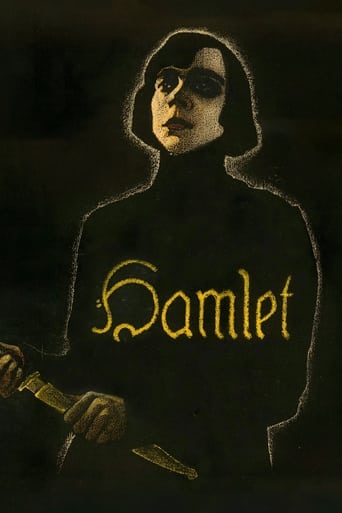
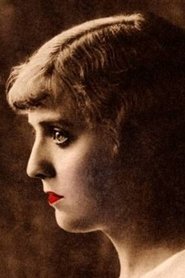
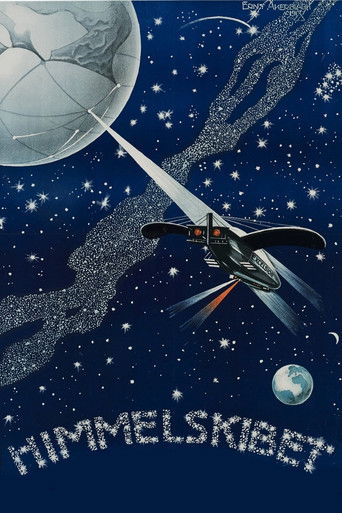
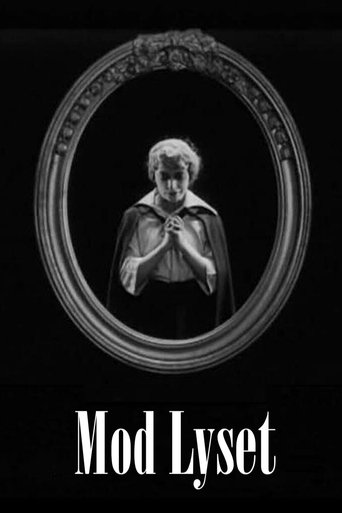
Early silent-era screen performer: surviving filmography places her work in the brief span between 1918 and 1921. She is Lilly Jacobson appeared in a small number of films, including A Trip to Mars (1918), Towards the Light (1919), and Hamlet (1921), suggesting a career that was either short-lived, lightly documented, or both. Because the available historical record on Jacobson is extremely sparse, many personal details such as her birth and death dates, family background, and later life remain unverified in standard film-reference sources. Her screen credits indicate that she worked during a transitional moment in cinema when European and American silent films were refining performance styles, production values, and literary adaptation. The 1921 Hamlet credit is especially notable, since Shakespeare adaptations were an important part of early prestige cinema and often required actors capable of heightened expression and stage-trained presence. Although there is no broad evidence of celebrity status, Jacobson's inclusion in these surviving titles places her among the many lesser-known working actors who helped shape silent film culture. Her legacy today is primarily archival: she is remembered through filmographies and cast records rather than extensive biographies or contemporary publicity.
The Craft
On Screen
No direct contemporary review of Lilly Jacobson's performance style has been verified in the available record. Given the period in which she worked, her acting would likely have followed silent-era conventions emphasizing expressive face, clear gesture, and physically legible emotion rather than dialogue-driven realism. Her appearance in a Shakespeare adaptation suggests she may have been capable of stylized, stage-influenced performance suited to prestige productions. Beyond that, specific stylistic traits cannot be responsibly confirmed from surviving evidence.
Milestones
- Appeared in the silent film A Trip to Mars (1918), one of the earliest surviving credits associated with her name
- Worked in Towards the Light (1919), indicating continued activity during the late silent era
- Received a screen credit in Hamlet (1921), a significant literary adaptation for early cinema
- Represents the generation of silent-era performers whose careers are preserved mainly through filmography records rather than detailed studio publicity
- Her known screen work spans a compact but historically interesting period of film production between the end of World War I and the rise of more elaborate 1920s silent features
Best Known For
Iconic Roles
Must-See Films
Why They Matter
Impact on Culture
Lilly Jacobson's cultural impact is best understood as representative rather than celebrity-driven. She belongs to the large class of silent-film performers whose work helped populate early cinema with supporting players, ensemble performers, and literary-adaptation cast members, even when their names were not widely promoted. Her credit in Hamlet connects her to the early screen tradition of adapting canonical literature, a practice that helped legitimize film as a serious cultural medium in the eyes of contemporary audiences. While she does not appear to have achieved lasting fame on the scale of major silent-era stars, her surviving credits contribute to the historical texture of early film culture and to the reconstruction of performance traditions from the period.
Lasting Legacy
Jacobson's legacy lies in archival survival rather than documented stardom. She is part of the essential but often overlooked workforce of early cinema: actors whose names appear in cast lists, trade records, and filmographies, preserving evidence of the industry's breadth beyond its famous headliners. For historians, such names are important because they help map casting networks, production histories, and the distribution of performance talent in the silent era. Her role in Hamlet also places her within the longer history of Shakespeare on film, a lineage that remains central to cinema studies. Even with limited personal information, her film credits ensure that she remains a traceable figure in early film history.
Who They Inspired
There is no verifiable evidence that Lilly Jacobson directly influenced later actors or directors in a documented, named way. Her significance is indirect: by participating in silent-era productions, she contributed to the performance vocabulary and ensemble practice that later screen acting would build upon. Performers like Jacobson helped establish the norms of expressive physicality, framing-friendly gesture, and theatrical adaptation that shaped the medium before sound. Her work is therefore part of the broader foundation on which more widely recognized screen acting styles developed.
Off Screen
No reliable biographical documentation has been located in the provided record to confirm Lilly Jacobson's personal life, family background, marriages, or later years. Unlike major stars of the silent era, she does not appear to have left behind a substantial public paper trail in standard reference materials. As a result, any claims about spouse, children, residence, or post-film career would be speculative and are best left unconfirmed pending archival research.
Did You Know?
- Lilly Jacobson's surviving screen record is very small, which is common for many silent-era performers whose careers were not extensively publicized.
- Her known credits span just four years, from 1918 to 1921, suggesting either a brief acting career or one that is only partially documented.
- Hamlet (1921) is her most historically notable credit because Shakespeare adaptations were prestige projects in early cinema.
- The available record does not currently confirm her birth name, nationality, or life dates.
- She is an example of an actor whose historical footprint survives mainly through cast lists rather than interviews, publicity photographs, or studio biographies.
- The title A Trip to Mars (1918) places her in a period when silent films frequently experimented with fantasy, spectacle, and imaginative storytelling.
- Because early cinema documentation is often incomplete, performers like Jacobson are frequently rediscovered through archival databases and restored film credits.
Frequently Asked Questions
Who was Lilly Jacobson?
Silent-era with credits in this catalog. Her name appears in early film records for A Trip to Mars, Towards the Light, and Hamlet. Very little personal biographical information has survived in standard reference sources.
What films is Lilly Jacobson best known for?
Titles linked here include A Trip to Mars (1918), Towards the Light (1919).
When was Lilly Jacobson born and when did she die?
Her birth and death dates are not currently documented in the available historical record. The same is true of her birthplace and other personal details. This is common for many lesser-known silent-era performers whose careers are preserved mainly through cast lists.
What awards did Lilly Jacobson win?
No awards or nominations are known for Lilly Jacobson from the available record. That does not necessarily mean she received none, only that no verifiable documentation has been located. Her historical importance lies more in her participation in early cinema than in recorded honors.
What was Lilly Jacobson's acting style?
There are no surviving contemporary reviews that clearly define her personal acting style. Based on the period and her silent-film credits, her performances would likely have relied on expressive gestures, facial clarity, and stage-influenced screen presence. Her role in Hamlet suggests she may have been suited to literary or theatrical material.
What is Lilly Jacobson's legacy in film history?
Her legacy is archival and historical rather than celebrity-based. She represents the many working actors of the silent era whose contributions are visible in film credits even when personal biographies are lost. For historians, she helps illuminate the cast networks and performance culture of early 20th-century cinema.
Did Lilly Jacobson work with any famous directors or studios?
No reliable studio affiliations or frequent collaborators are currently documented in the available record. Her known credits are too limited to confirm a stable studio relationship. Further archival research would be needed to identify production contexts with confidence.