
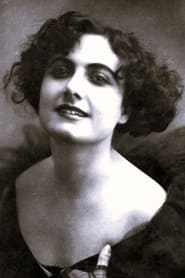
Francesca Bertini
Actor & Director
Born: January 5, 1892 in Prato, Tuscany, Italy Died: October 13, 1985 Active: 1907-1943 (with primary focus 1910-1925) Birth Name: Elena Seracini Vitiello
Films
9 films

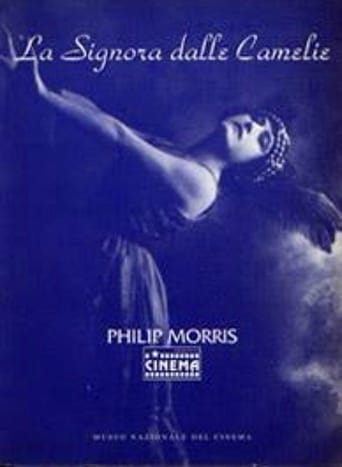
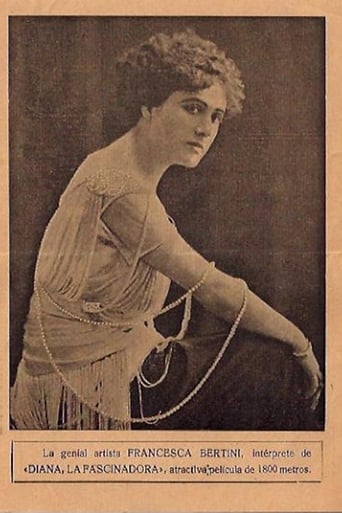
About Francesca Bertini
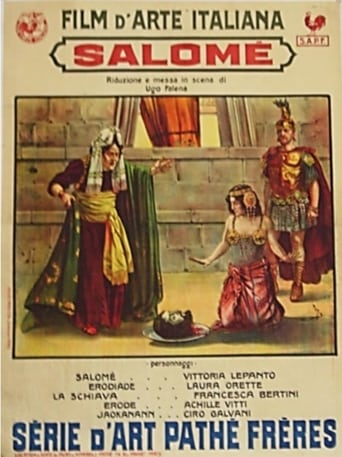
Francesca Bertini, born Elena Seracini Vitiello on January 5, 1892, in Prato, Tuscany, Italy, was a figure in Italian silent cinema who rose to become actresses of her era. She began her career as a child performer in theater before transitioning to film in 1907, quickly establishing herself as a leading lady with her naturalistic acting style and magnetic screen presence. Bertini's breakthrough came in 1910 with her performance in 'Salomé,' which showcased her ability to convey complex emotions through subtle gestures and expressions, setting her apart from the more theatrical acting common in early cinema. Her most significant achievement was co-directing 'Assunta Spina' in 1915, a film that revolutionized Italian cinema with its authentic portrayal of Neapolitan life and innovative cinematic techniques. Bertini's career peaked during the 1910s when she became one of the highest-paid performers in European cinema, commanding unprecedented creative control over her projects and helping establish the star system in Italian film. After retiring from the screen in the early 1920s, she made a brief comeback in sound films during the 1940s, though her legacy remained firmly rooted in her silent era contributions. She spent her later years in Rome, becoming a revered elder stateswoman of Italian cinema until her death on October 13, 1985, at the age of 93.
The Craft
On Screen
Francesca Bertini revolutionized screen performance with her subtle, naturalistic approach that moved away from the exaggerated gestures typical of early cinema. She employed nuanced expressions and restrained movements to convey deep emotional complexity, creating an intimate, almost conversational quality that made audiences feel they were witnessing real human experiences rather than theatrical productions. Her style emphasized psychological depth and emotional authenticity, using minimal yet powerful gestures to communicate complex inner states. Bertini's approach was particularly innovative for its time, as she brought a modern sensibility to silent film performance that prefigured later developments in cinematic acting.
Behind the Camera
As a director, Bertini brought a fresh perspective to Italian cinema, focusing on authentic storytelling and realistic character development. In 'Assunta Spina,' she employed innovative techniques like location shooting and natural lighting to create a more immersive cinematic experience that broke from studio-bound conventions. Her directorial approach emphasized emotional truth and social realism, challenging the melodramatic conventions of the era while maintaining strong narrative drive. Bertini demonstrated a keen visual sense and understanding of cinematic language, using camera movement and composition to enhance the emotional impact of her stories. Her work behind the camera showed the same commitment to authenticity and artistic integrity that characterized her performances.
Milestones
- Breakthrough performance in Salomé (1910)
- Co-directed and starred in Assunta Spina (1915)
- Became highest-paid actress in European cinema
- Pioneered naturalistic acting style in silent films
- Established creative control for performers
- Helped establish the star system in Italian cinema
- Made successful transition to sound films in 1940s
Best Known For
Iconic Roles
Must-See Films
Accolades
Won
- Retrospective recognition at Venice Film Festival (1975)
- Italian National Syndicate of Film Journalists Special Award (1982)
- Lifetime Achievement Award from Italian Film Institute (1980)
Nominated
- Early film awards were not standardized during her active period
Special Recognition
- Order of Merit of the Italian Republic (1976)
- Honorary citizen of Rome (1980)
- Pioneer of Italian Cinema recognition (1975)
- Star on Italian Walk of Fame (2010, posthumous)
Working Relationships
Worked Often With
Studios
Why They Matter
Impact on Culture
Francesca Bertini fundamentally transformed Italian cinema by introducing naturalistic acting techniques that revolutionized screen performance. Her work helped establish the diva archetype in European cinema while simultaneously challenging it through her commitment to authenticity and artistic depth. Bertini's influence extended beyond acting to include work as a female director during an era when women behind the camera were extremely rare. Her success in demanding creative control over her projects set important precedents for performer rights and artistic autonomy in the film industry. The cultural impact of her most famous work, 'Assunta Spina,' resonated throughout European cinema, influencing the development of realist filmmaking techniques that would later become central to Italian neorealism.
Lasting Legacy
Francesca Bertini's legacy endures as a foundational figure in both Italian and world cinema history. She is remembered as one of the first true film stars who understood the unique requirements of screen performance and helped define the language of cinematic acting. Her work as a female director opened doors for future generations of women in filmmaking, while her artistic integrity and commitment to quality set standards that continue to influence the industry. Film scholars and historians regularly cite her contributions to the development of naturalistic performance and her role in establishing the star system in European cinema. Her films, particularly 'Assunta Spina,' remain important subjects of study in film schools and are frequently featured in retrospectives of silent cinema.
Who They Inspired
Bertini's naturalistic acting style directly influenced the development of more realistic screen performance techniques throughout European cinema, prefiguring the psychological depth that would become standard in later film acting. Her success as both performer and director inspired other actresses to seek creative control and pursue filmmaking roles behind the camera. The authentic approach to storytelling she championed in 'Assunta Spina' influenced the development of Italian neorealism in the 1940s, with directors like Roberto Rossellini and Vittorio De Sica acknowledging her work. Contemporary filmmakers continue to study her techniques for conveying emotion through minimal means, while her business acumen and artistic independence serve as models for performers seeking creative autonomy in the modern film industry.
Off Screen
Francesca Bertini married Count Carlo Bocca, which provided her with social standing and financial security during her career. She was known for her intelligence, business acumen, and unwavering commitment to artistic excellence. Despite her immense fame, she maintained a relatively private personal life, focusing on her craft and artistic development rather than celebrity culture. Her marriage to Count Bocca was stable and supportive, allowing her to pursue her career with confidence. In her later years, she became a respected elder stateswoman of Italian cinema, often consulted for her historical knowledge and artistic insights. She remained intellectually active and engaged with the film community until her death.
Education
Trained in theater from childhood, studied acting techniques in Florence before transitioning to film. Received informal education in cinema through practical experience on film sets during the early development of Italian cinema.
Family
- Count Carlo Bocca (1910-1960, until his death)
Did You Know?
- She was one of the first actresses to earn over 1 million lire per film, making her the highest-paid actress in Europe
- She insisted on having final approval of scripts and directors, unprecedented for actors of her era
- Her real name was Elena Seracini Vitiello, though some sources list it as Elena Taddei
- She spoke multiple languages fluently, which helped her work with international productions
- Her performance style influenced American silent film stars including Mary Pickford and Lillian Gish
- She retired at the height of her fame in 1925, making a rare comeback only in the 1940s
- Her film 'Assunta Spina' was one of the first to use authentic locations rather than studio sets
- She was known for her intense preparation method, often living as her characters for weeks before filming
- Her personal collection of film memorabilia and costumes became the foundation for an Italian cinema museum
- She received a standing ovation lasting 20 minutes at her final public appearance in 1982
- Her films were among the first Italian movies to achieve international distribution success
- She maintained strict control over her image, refusing to appear in advertisements or endorsements
In Their Own Words
The camera sees everything, especially what you try to hide. That's why truth is the only currency in cinema.
I don't act emotions, I live them. If the audience feels something, it's because I felt it first.
A film is not made in the studio, but in the heart of the performer and the soul of the story.
Creative control is not a luxury for artists, it's a necessity for truth.
Silence taught me everything I needed to know about sound in cinema.
Frequently Asked Questions
Who was Francesca Bertini?
Italian actress and on YTB.my. She revolutionized screen performance with her naturalistic acting style and was among the first female directors in Italian film history, best known for her work in 'Assunta Spina' (1915).
What films is Francesca Bertini best known for?
Titles linked here include Assunta Spina (1915), Salomé (1910).
When was Francesca Bertini born and when did she die?
Born January 5, 1892; died October 13, 1985.
What awards did Francesca Bertini win?
While formal awards were less common during her active period, she received numerous honors including the Order of Merit of the Italian Republic (1976), retrospective recognition at the Venice Film Festival (1975), and lifetime achievement awards from various Italian film institutions.
What was Francesca Bertini's acting/directing style?
Her acting style was characterized by naturalism and subtlety, moving away from theatrical exaggeration to create authentic, emotionally complex performances. As a director, she emphasized realistic storytelling, location shooting, and social realism, particularly evident in her groundbreaking work on 'Assunta Spina'.