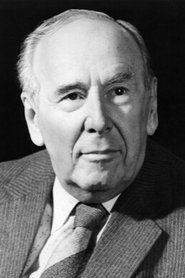
Rostislav Plyatt
Actor
Born: April 13, 1908 in Rostov-on-Don, Russian Empire Died: December 30, 1989 Active: 1939-1989 Birth Name: Rostislav Yanuaryevich Plyatt
Films
8 films
About Rostislav Plyatt
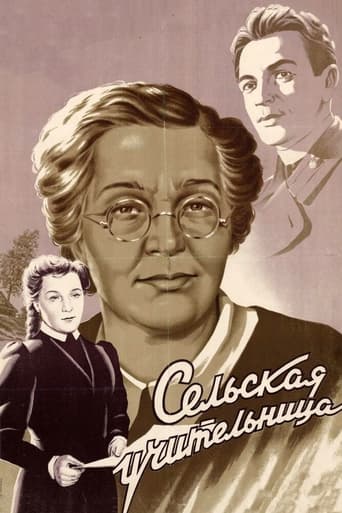
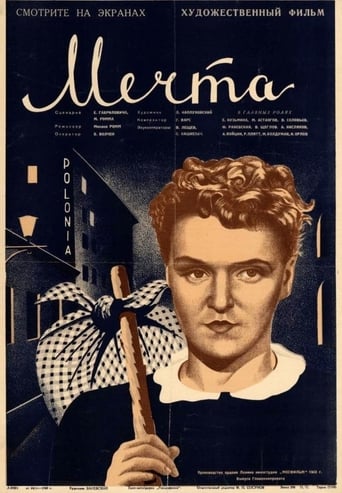
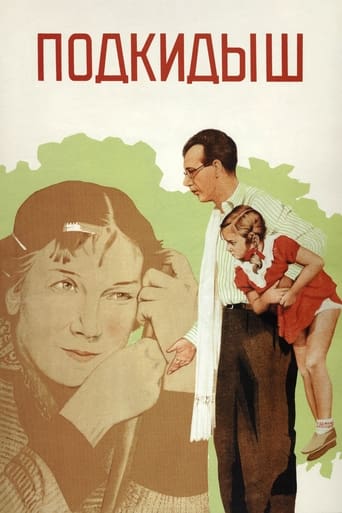
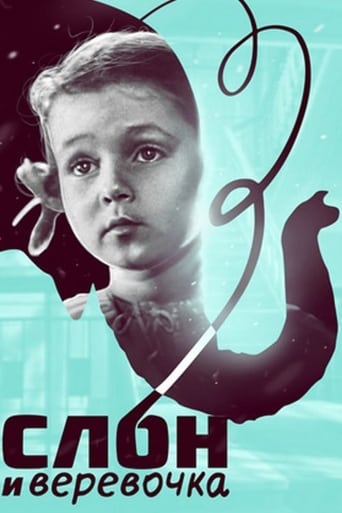
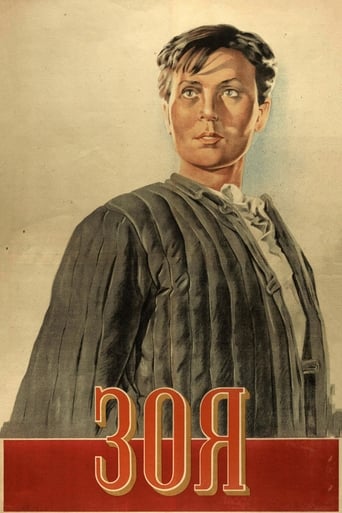
Rostislav Yanuaryevich Plyatt was and beloved actors of Soviet cinema and theater, renowned for his exceptional comedic timing and distinctive voice. Born into a theatrical family, he began his career on stage before transitioning to film in the late 1930s. Plyatt's breakthrough came with his role in 'The Foundling' (1939), which established him excelled in comedy and character acting. Throughout his career spanning over four decades, he appeared in more than 60 films, often playing eccentric, intelligent, and memorable characters that endeared him to Soviet audiences. His performances in films like 'Zoya' (1944) and 'An Elephant and a Rope' (1945) showcased his versatility beyond comedy, proving his dramatic capabilities. Plyatt was also a celebrated stage actor at the Moscow Satire Theatre, where he performed for many years. His unique ability to blend humor with pathos and his impeccable diction made him recognizable voices in Soviet entertainment.
The Craft
On Screen
Plyatt was known for his sophisticated comedic style, characterized by impeccable timing, subtle facial expressions, and a distinctive, resonant voice. He excelled at playing intelligent, often eccentric characters with a touch of aristocratic charm. His approach combined physical comedy with intellectual wit, never resorting to slapstick but rather finding humor in the nuances of human behavior and social situations. Plyatt's dramatic performances were equally compelling, marked by psychological depth and emotional authenticity.
Milestones
- Stage debut at Moscow Satire Theatre
- Breakthrough film role in 'The Foundling' (1939)
- Awarded People's Artist of the USSR (1979)
- Over 60 film appearances spanning 50 years
- Master of both comedy and dramatic roles
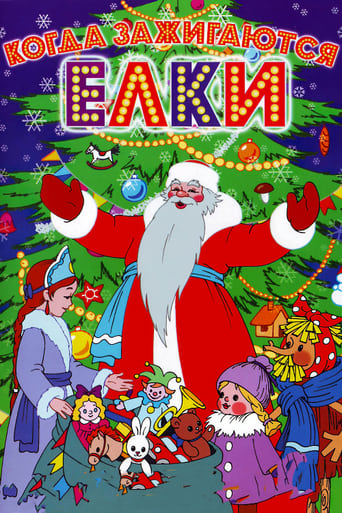
- Voice work in animated films
Best Known For
Iconic Roles
Must-See Films
Accolades
Won
- People's Artist of the USSR (1979)
- People's Artist of the RSFSR (1969)
- Order of the Red Banner of Labour
- Order of the October Revolution
- Order of the Patriotic War 2nd class
Nominated
- State Prize of the RSFSR nominees
Special Recognition
- Moscow Satire Theatre named after him in some capacities
- Star on Russian Walk of Fame
Working Relationships
Worked Often With
Studios
Why They Matter
Impact on Culture
Rostislav Plyatt became a cultural icon in Soviet cinema, representing the ideal of the sophisticated intellectual actor who could seamlessly transition between comedy and drama. His distinctive voice and mannerisms made him instantly recognizable to generations of Soviet viewers, and his performances often reflected the complexities of Soviet life with wit and subtlety. Plyatt's work helped elevate Soviet comedy beyond simple entertainment, incorporating social commentary and psychological depth that resonated with educated audiences.
Lasting Legacy
Plyatt's legacy endures through his extensive filmography that continues to be celebrated in Russian cinema retrospectives. He is remembered for his screen work. His influence on Russian acting techniques, particularly in comedy, remains significant, and many contemporary Russian actors cite him as an inspiration.
Who They Inspired
Plyatt influenced generations of Russian actors through his unique blend of intellectual comedy and dramatic depth. His approach to character development and his mastery of voice work set standards in Soviet cinema that continue to be studied in acting schools. His son Nikolai Plyatt followed in his footsteps, becoming a notable actor himself, continuing the family's theatrical legacy.
Off Screen
Plyatt was married twice and had one son. His personal life was relatively private compared to his public persona. He was known for his intellectual pursuits outside of acting, including literature and classical music. Despite his fame, he maintained a humble lifestyle and was respected by colleagues for his professionalism and dedication to his craft.
Education
Graduated from GITIS (Russian Institute of Theatre Arts) in 1930
Family
- Angelina Stepanova (1934-1942)
- Lyudmila Tsvetkova (1944-1989)
Did You Know?
- His surname 'Plyatt' was of German origin, though he was born in Russia
- He was known for his perfect diction and was often called upon for voice work
- During World War II, he performed for frontline soldiers
- He was a close friend of fellow actor Andrei Mironov
- Despite his fame, he never owned a car and preferred public transportation
- He was an avid chess player and often played between takes
- His voice was used in numerous radio plays and animated films
- He continued performing almost until his death in 1989
- He was known for his photographic memory, rarely forgetting lines
- He spoke several languages fluently, including German and French
In Their Own Words
'The actor must not play, he must be.'
'Comedy is the most serious genre, because it requires the most precision.'
'In every role, I try to find something of myself, something of the audience, and something completely new.'
Frequently Asked Questions
Who was Rostislav Plyatt?
Renowned Soviet He appeared in over 60 films and was considered.
What films is Rostislav Plyatt best known for?
Titles linked here include The Foundling (1939), Zoya (1944).
When was Rostislav Plyatt born and when did he die?
Born April 13, 1908; died December 30, 1989.
What awards did Rostislav Plyatt win?
Plyatt received numerous honors including the prestigious title of People's Artist of the USSR (1979), People's Artist of the RSFSR (1969), and various state orders including the Order of the Red Banner of Labour and Order of the October Revolution.
What was Rostislav Plyatt's acting style?
Plyatt was known for his sophisticated comedic style featuring impeccable timing, subtle expressions, and a distinctive voice. He excelled at playing intelligent, eccentric characters with aristocratic charm, blending physical comedy with intellectual wit while maintaining psychological depth in both comedic and dramatic roles.