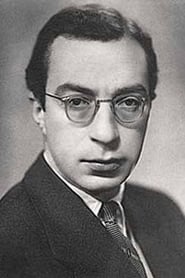
Grigoriy Roshal
Director
Born: October 21, 1899 in Novozybkov, Russian Empire Died: January 11, 1983 Active: 1927-1972 Birth Name: Grigoriy Lvovich Roshal
Films
6 films
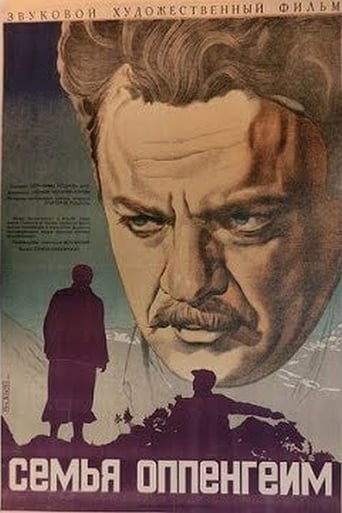
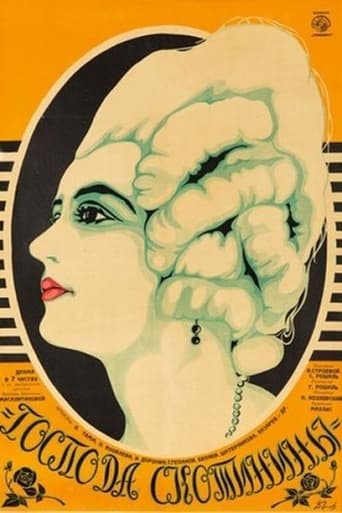
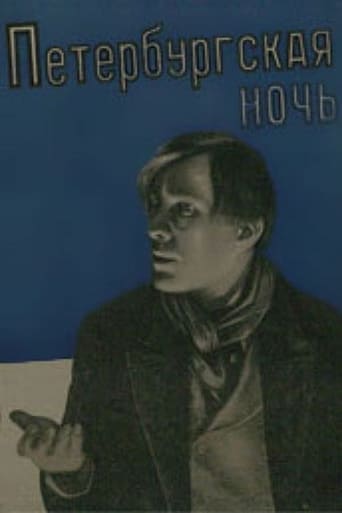
About Grigoriy Roshal
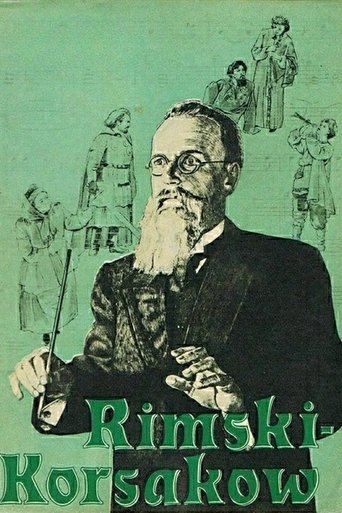
Made significant contributions to Russian cinema during the Stalin era. Born in 1899 in Novozybkov, he began his career in the 1920s and quickly established himself excelled in literary adaptations, bringing classic Russian literature to the screen with remarkable sensitivity and artistic vision. His filmography spans both silent and sound eras, with notable works including adaptations of Gogol, Gorky, and other major Russian writers. Roshal was particularly skilled at creating biographical films about cultural figures, as evidenced by his acclaimed work 'Rimsky-Korsakov' (1952). During World War II, he contributed to the war effort by making patriotic films that supported the Soviet cause. His career coincided with some of the most challenging periods in Soviet history, yet he managed to maintain artistic integrity while navigating the complex political landscape of Stalinist cinema. Roshal continued directing until his death in 1983, leaving behind a legacy of over 20 films that showcased his deep understanding of Russian culture and literature.
The Craft
Behind the Camera
Roshal was known for his meticulous literary adaptations, bringing classic Russian novels to life with great fidelity to the source material while maintaining cinematic innovation. His directing style emphasized psychological depth and character development, often focusing on the intellectual and emotional journeys of his protagonists. He had a particular talent for biographical films, creating intimate portraits of historical and cultural figures that balanced historical accuracy with dramatic narrative. Roshal's visual approach was both classical and expressive, using composition and lighting to enhance the emotional resonance of his stories. His films often reflected the ideological concerns of Soviet cinema while maintaining a high artistic standard and respect for literary tradition.
Milestones
- Directed 'The Gentlefolks of Skotinin' (1927), his debut feature film
- Created the acclaimed biographical drama 'Rimsky-Korsakov' (1952)
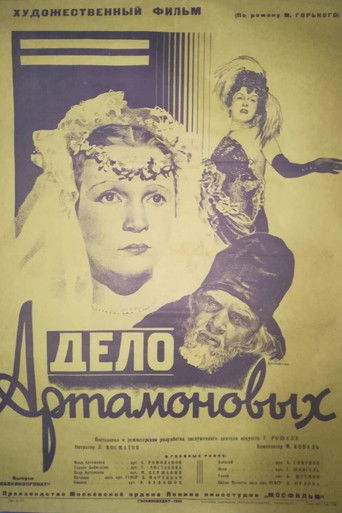
- Adapted Gorky's 'The Artamonov Case' (1941) to critical acclaim
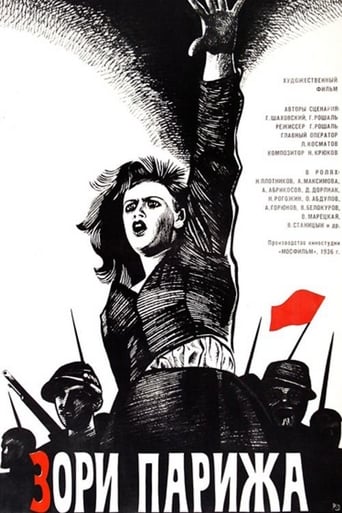
- Directed 'The Paris Commune' (1936), a major historical epic
- Received the Stalin Prize for his contributions to Soviet cinema
- Served as a professor at the State Institute of Cinematography (VGIK)
Best Known For
Must-See Films
Accolades
Won
- Stalin Prize (1941) for 'The Artamonov Case'
- Stalin Prize (1951) for 'Rimsky-Korsakov'
- Order of Lenin
- Order of the Red Banner of Labour
- People's Artist of the RSFSR (1969)
Nominated
- Cannes Film Festival nomination for 'Rimsky-Korsakov' (1952)
Special Recognition
- People's Artist of the RSFSR (1969)
- Professor at VGIK (State Institute of Cinematography)
- Honored Art Worker of the RSFSR
Working Relationships
Worked Often With
Studios
Why They Matter
Impact on Culture
Grigoriy Roshal played a crucial role in preserving and popularizing Russian literature through cinema during the Soviet era. His adaptations of classic works introduced generations of Soviet viewers to their literary heritage while navigating the complex demands of state censorship. Roshal's biographical films helped establish a tradition of cultural hero-worship in Soviet cinema, creating templates for how historical figures should be portrayed on screen. His work as an educator at VGIK influenced countless Soviet filmmakers, spreading his approach to literary adaptation and character-driven storytelling. Roshal's films continue to be studied as examples of how to balance artistic integrity with ideological requirements in authoritarian societies.
Lasting Legacy
Roshal's legacy lies in his masterful ability to bridge literature and cinema, creating films that honored Russian cultural traditions while embracing cinematic innovation. His adaptations remain benchmarks for literary translation to screen, studied by filmmakers and scholars worldwide. As an educator, he shaped multiple generations of Soviet directors, instilling in them respect for both artistic craft and cultural heritage. His biographical films established a genre that would influence Soviet and Russian cinema for decades. Roshal demonstrated that it was possible to create artistically significant work within the constraints of the Soviet system, leaving behind a body of work that continues to be appreciated for its craftsmanship and cultural significance.
Who They Inspired
Roshal influenced Soviet cinema through his emphasis on literary adaptation, demonstrating how classic texts could be made accessible to mass audiences without sacrificing their artistic integrity. His approach to biographical filmmaking set standards for the genre in Soviet cinema, influencing directors like Mikhail Romm and Andrei Tarkovsky in their treatment of historical subjects. As a professor at VGIK, he directly mentored many prominent Soviet filmmakers who would go on to shape Russian cinema in the post-Stalin era. His techniques for visualizing literary narratives and developing complex characters became part of the standard curriculum in Soviet film schools. Roshal's work also influenced international filmmakers interested in adapting classic literature, particularly those working within state-sponsored film industries.
Off Screen
Grigoriy Roshal was married to Vera Maretskaya,. Their marriage was both personal and professional, with Maretskaya starring in several of his films. The couple had two children, including Andrei Roshal, who also became involved in the film industry. Roshal was known as a devoted family man who maintained strong ties to Russian cultural traditions despite the political upheavals of his time. He was also respected as an educator, mentoring generations of Soviet filmmakers during his long tenure as a professor at VGIK.
Education
Graduated from Moscow State University (1921), studied at the State Institute of Cinematography (VGIK)
Family
- Vera Maretskaya (1936-1983)
Did You Know?
- Was married to Vera Maretskaya, one of Stalin's favorite actresses
- His film 'The Paris Commune' was
- Survived the Great Purge despite being a prominent filmmaker during Stalin's regime
- Teaching career at VGIK spanned over three decades
- His adaptation of 'The Artamonov Case' was personally approved by Maxim Gorky before the author's death
- Was one of the few Soviet directors allowed to make films about religious subjects
- His film 'Rimsky-Korsakov' was selected for competition at the Cannes Film Festival
- Continued directing well into his 70s, unusual for the time
- Was a close friend of poet Boris Pasternak
- His films were often used as educational tools in Soviet schools
In Their Own Words
Cinema must serve as a bridge between the great works of our literature and the Soviet people
To adapt a classic is not to illustrate it, but to create a new work of art that honors the original
The biographical film must show not just what a person did, but why they mattered to their time and ours
In every frame, there must be truth - artistic truth, historical truth, and human truth
Frequently Asked Questions
Who was Grigoriy Roshal?
Prominent Active from the 1920s through the 1970s, he was particularly celebrated for bringing classic Russian literature to the screen while serving as a professor at the State Institute of Cinematography (VGIK).
What films is Grigoriy Roshal best known for?
Titles linked here include The Paris Commune (1936), The Artamonov Case (1941).
When was Grigoriy Roshal born and when did he die?
Born October 21, 1899; died January 11, 1983.
What awards did Grigoriy Roshal win?
Roshal received two Stalin Prizes (1941 and 1951), was named People's Artist of the RSFSR in 1969, and was awarded the Order of Lenin and Order of the Red Banner of Labour for his contributions to Soviet cinema.
What was Grigoriy Roshal's directing style?
Roshal's directing style emphasized literary fidelity combined with cinematic innovation, focusing on psychological depth and character development. He was particularly skilled at biographical films and literary adaptations, using classical visual techniques to enhance emotional resonance while navigating Soviet ideological requirements.