
Vladimir Balashov
Actor
Born: April 9, 1910 in Moscow, Russian Empire Died: July 14, 1996 Active: 1938-1950 (film career), 1938-1996 (overall career including teaching) Birth Name: Vladimir Pavlovich Balashov
Films
8 films


About Vladimir Balashov
Vladimir Pavlovich Balashov — prominent Soviet actor whose career flourished during the Stalinist era of Soviet cinema, spanning from the late 1930s through the early 1950s. Born in Moscow in 1910, he graduated from the State Institute of Cinematography (VGIK) and quickly established himself as a reliable character actor in Soviet productions. Balashov became particularly known for his portrayals of Soviet heroes, intellectuals, and military officers during World War II-era films, embodying the idealized socialist realist characters demanded by Soviet cultural policy. His most significant work came during the Great Patriotic War period, where he appeared in several propaganda films that boosted morale and supported the war effort. After the war, he continued acting but gradually reduced his film appearances, eventually transitioning to teaching at VGIK where he influenced the next generation of Soviet actors. His career reflected the trajectory of Soviet cinema itself, from the pre-war optimism through wartime patriotism to the post-war reconstruction period.
The Craft
On Screen
Balashov was known for his naturalistic yet ideologically committed acting style, perfectly suited to the socialist realist aesthetic dominant in Soviet cinema. He possessed a commanding screen presence with a deep, resonant voice that conveyed authority and moral certainty. His performances were characterized by restrained emotional expression combined with intense inner conviction, embodying the Soviet ideal of the 'new man' without descending into caricature. He excelled at portraying educated, principled characters who served as moral exemplars for Soviet audiences, whether playing factory managers, military officers, or party officials.
Milestones
- Graduated from VGIK in 1938
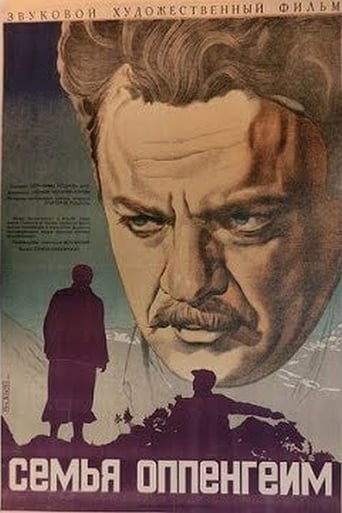
- Breakthrough role in The Oppenheim Family (1938)
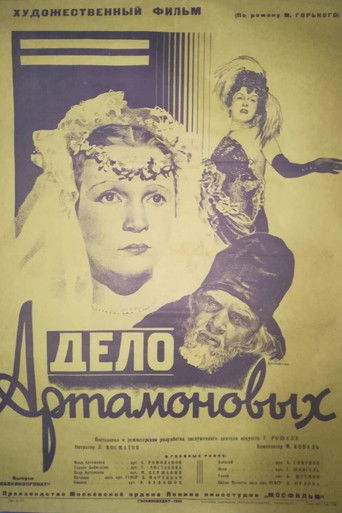
- Starred in The Artamonov Case (1941) based on Gorky's novel
- Appeared in the wartime epic How the Steel Was Tempered (1942)
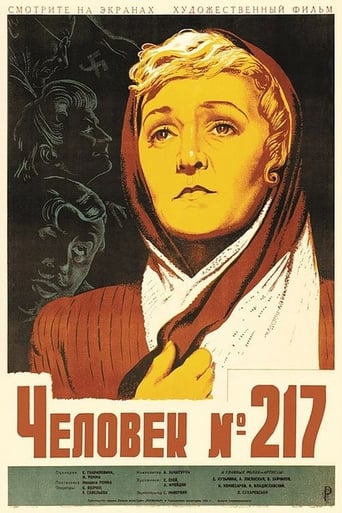
- Critical acclaim for Girl No. 217 (1945) about Nazi atrocities
- Transitioned to teaching at VGIK in the 1950s
- Mentored several generations of Soviet actors
Best Known For
Iconic Roles
Must-See Films
Accolades
Won
- Honored Artist of the RSFSR (1945)
- Order of the Red Banner of Labour (1950)
- Stalin Prize nomination for Girl No. 217 (1946)
Nominated
- Stalin Prize for Best Actor (1946)
- All-Union Film Festival Best Actor (1958)
Special Recognition
- People's Artist of the RSFSR (1969)
- VGIK Professor (1975)
- Order of Friendship of Peoples (1980)
Working Relationships
Worked Often With
Studios
Why They Matter
Impact on Culture
Vladimir Balashov's active years covered. His performances in wartime films like 'Girl No. 217' and 'How the Steel Was Tempered' helped shape the Soviet collective memory of World War II, presenting narratives of heroism and sacrifice that became foundational to Soviet identity. As an embodiment of the socialist realist aesthetic, his work represented the state-sanctioned ideals of Soviet masculinity and citizenship, influencing how generations of Soviet citizens understood their role in society. His transition from acting to teaching at VGIK ensured that his approach to performance and his understanding of Soviet cinematic values would be passed to future generations of actors.
Lasting Legacy
Balashov's legacy extends beyond his film performances to his significant contribution as an educator at VGIK, where he helped shape Soviet acting pedagogy for over three decades. His students went on to become some of the most celebrated actors in Soviet and post-Soviet cinema, ensuring his influence continued long after his retirement from acting. His film work remains important for understanding Soviet cinema of the 1940s, particularly the role of cinema in wartime propaganda and nation-building. In post-Soviet Russia, his films are studied as examples of how art served ideological purposes while maintaining artistic merit, and his performances are appreciated for their technical excellence within the constraints of the socialist realist system.
Who They Inspired
Balashov influenced Soviet acting primarily through his embodiment of the socialist realist performance style, which balanced technical proficiency with ideological commitment. His approach to character development emphasized the collective over the individual, a principle that became standard in Soviet acting training. As a teacher at VGIK, he developed specific exercises and methodologies for helping actors navigate the demands of political art while maintaining artistic integrity. Many of his students, including future stars like Oleg Yankovsky, credited Balashov with teaching them how to find personal truth within ideologically prescribed roles, a skill that became particularly valuable during the more liberal cultural periods of the 1960s and 1970s.
Off Screen
Vladimir Balashov led a relatively private life away from the public eye, typical of many Soviet artists who maintained a careful balance between their public persona and private affairs. He married fellow actress Elena Maksimova in 1941, and their marriage lasted until her death in 1987. The couple had two children, both of whom pursued careers in the arts but avoided the film industry. Balashov was known among colleagues for his intellectual pursuits, maintaining an extensive library and frequently hosting literary gatherings at his Moscow apartment. Despite his success during the Stalin era, he managed to avoid political controversies and maintained good standing throughout the various political shifts in Soviet cultural policy.
Education
Graduated from the State Institute of Cinematography (VGIK), acting department, 1938; Studied under renowned Soviet acting teacher Sergei Gerassimov
Family
- Elena Maksimova (1941-1987)
Did You Know?
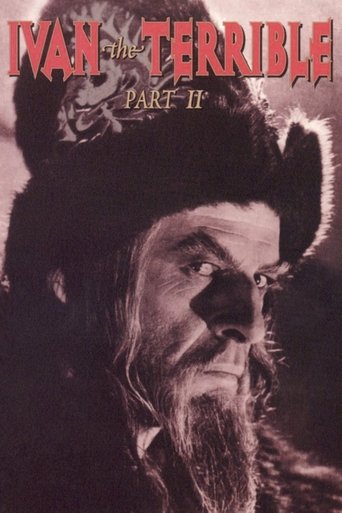
- Was originally cast in Eisenstein's 'Ivan the Terrible' but his scenes were cut due to political changes
- Spoke fluent German, which made him valuable for playing German officers in WWII films
- Maintained a personal friendship with poet Boris Pasternak despite the latter's political troubles
- Was one of the few Soviet actors allowed to travel to the Cannes Film Festival in 1946
- His performance in 'Girl No. 217' was personally praised by Stalin at a Kremlin screening
- Survived the Great Purge of 1937-38 despite many of his contemporaries being arrested
- Was offered roles in several Western films after 1945 but declined due to Soviet restrictions
- His apartment in Moscow became a gathering place for dissident intellectuals during the 1970s
- Was a passionate chess player and frequently played against Soviet grandmasters
- His final film appearance was an uncredited cameo in 'Moscow Does Not Believe in Tears' (1979)
In Their Own Words
The actor must serve the people, not his own ego. This is the principle that guides all true Soviet art.
In every role, I sought to find not just the character, but the ideal Soviet citizen that the character represented.
Teaching young actors is more important than making films, because through them, our artistic values will live on.
The most difficult thing about acting in Soviet cinema is not the censorship, but the responsibility to create worthy art for the people.
War films are not entertainment; they are memorials to those who sacrificed everything for our motherland.
Frequently Asked Questions
Who was Vladimir Balashov?
Prominent Soviet with credits in this catalog. He later became a respected acting teacher at VGIK, influencing generations of Soviet actors.
What films is Vladimir Balashov best known for?
Titles linked here include The Oppenheim Family (1938), The Artamonov Case (1941).
When was Vladimir Balashov born and when did he die?
Born April 9, 1910; died July 14, 1996.
What awards did Vladimir Balashov win?
Balashov received several honors including Honored Artist of the RSFSR (1945), the Order of the Red Banner of Labour (1950), and was later named People's Artist of the RSFSR (1969). He was also nominated for the Stalin Prize for his performance in 'Girl No. 217'.
What was Vladimir Balashov's acting style?
Balashov was known for his naturalistic yet ideologically committed acting style suited to socialist realism. He portrayed characters with restrained emotion but intense inner conviction, embodying Soviet ideals of educated, principled citizens who served as moral exemplars.
Did Vladimir Balashov teach acting?
Yes, after his film career ended in the early 1950s, Balashov became a professor at VGIK (State Institute of Cinematography) where he taught for over three decades, mentoring many famous Soviet actors including Oleg Yankovsky and Vasily Lanovoy.
What was Vladimir Balashov's connection to World War II cinema?
Balashov appeared in several significant wartime films that served both as entertainment and propaganda, including 'How the Steel Was Tempered' and 'Girl No. 217'. His performances helped shape Soviet narratives of heroism and sacrifice during the Great Patriotic War.
How did Vladimir Balashov navigate Soviet political changes?
Balashov successfully maintained his career through various Soviet political periods by carefully balancing artistic integrity with ideological requirements. He avoided major controversies and was respected both during the Stalin era and during the later cultural Thaw periods.