Grigori Belov
Actor
Born: December 26, 1895 in Vologda, Russian Empire (now Russia) Died: April 19, 1965 Active: 1920-1965 Birth Name: Grigori Ivanovich Belov
Films
5 films

About Grigori Belov
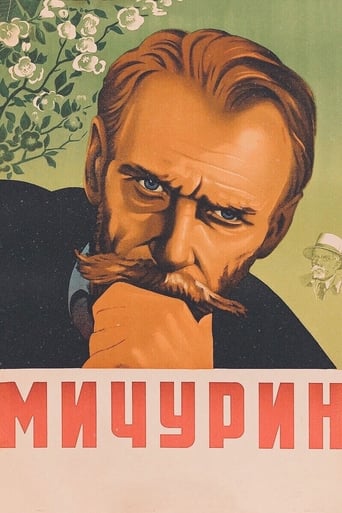
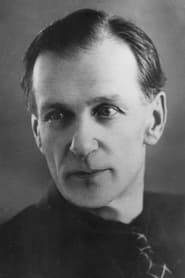
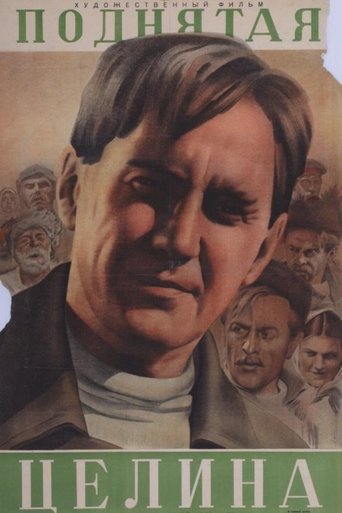
Grigori Ivanovich Belov was Soviet actors of the 1940s and 1950s, renowned for his commanding stage presence and powerful dramatic performances. Born in Vologda in 1895, he began his theatrical career in provincial theaters before joining the prestigious Moscow Art Theatre (MKhAT) in 1937, where he would remain for much of his career. Belov successfully transitioned from stage to film, becoming particularly acclaimed for his portrayals of historical figures and strong character roles in Soviet cinema. His breakthrough film role came in 'The New Land' (1940), establishing him as a leading dramatic actor in Soviet cinema. Throughout the 1940s and early 1950s, he delivered memorable performances in biographical films, including his acclaimed portrayal of scientist Ivan Michurin in 'Life in Bloom' (1948). Belov's deep, resonant voice and intense acting style made him ideal for playing historical figures and ideological heroes in Soviet propaganda films. He received the highest honors in Soviet culture, including the title People's Artist of the USSR in 1956, recognizing his contributions to both theater and cinema. His screen career spanned the silent era through the golden age of Soviet cinema, making him a bridge between different generations of Russian performers.
The Craft
On Screen
Belov was known for his powerful, methodical approach to character development, combining classical theatrical training with naturalistic film acting. His performances were characterized by deep psychological insight, commanding stage presence, and a distinctive resonant voice that conveyed both authority and emotional depth. He excelled in portraying historical figures, bringing authenticity and gravitas to roles that required both intellectual and emotional complexity.
Milestones
- Joined Moscow Art Theatre (MKhAT) in 1937
- Breakthrough role in 'The New Land' (1940)
- Stalin Prize recipient for artistic achievements
- Awarded title People's Artist of the USSR (1956)
- Portrayed Ivan Michurin in 'Life in Bloom' (1948)
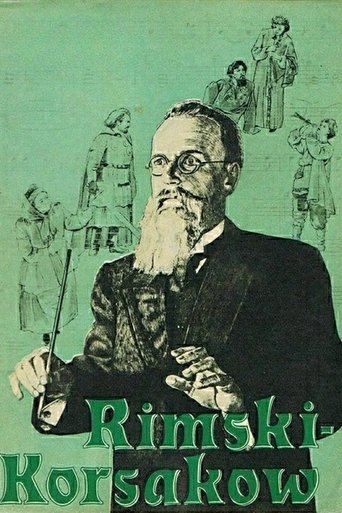
- Starred as Rimsky-Korsakov in biographical film (1952)
Best Known For
Iconic Roles
Must-See Films
Accolades
Won
- Stalin Prize, Second Class (1946)
- Stalin Prize, First Class (1950)
- People's Artist of the RSFSR (1949)
- People's Artist of the USSR (1956)
- Order of the Red Banner of Labour (1948)
- Order of Lenin (1953)
Special Recognition
- Honored Artist of the RSFSR (1938)
- Moscow Art Theatre leading actor
- State Prize recipient for theatrical work
Working Relationships
Worked Often With
Studios
Why They Matter
Impact on Culture
Grigori Belov represented the ideal Soviet actor of his era, embodying the perfect blend of classical theatrical training and cinematic naturalism that the Soviet cultural establishment prized. His portrayals of scientists, artists, and historical figures helped shape Soviet cultural identity and reinforced the state's ideological narratives through compelling character studies. Belov's work in biographical films contributed to the Soviet tradition of creating cultural heroes through cinema, influencing how generations of Soviet citizens viewed their nation's intellectual and artistic heritage.
Lasting Legacy
Belov's legacy endures through his contributions to both Soviet theater and cinema, particularly his mastery of the biographical genre. His performances continue to be studied as examples of how classical acting techniques could be adapted for the screen without losing their dramatic power. As a leading figure at the Moscow Art Theatre during its golden age, he helped maintain the theater's reputation for artistic excellence while successfully navigating the demands of Soviet cultural policy. His recordings and films remain important documents of Soviet artistic achievement during the mid-20th century.
Who They Inspired
Belov influenced generations of Soviet and Russian actors through his work at the Moscow Art Theatre and his film performances. His approach to character preparation, combining deep psychological analysis with physical transformation, became a model for actors tackling complex historical roles. Younger performers at MKhAT studied his techniques and approach to both classical and contemporary material, helping to preserve the Stanislavski system's emphasis on emotional truth and authenticity.
Off Screen
Grigori Belov was known to be a dedicated artist who devoted most of his life to his craft, maintaining a relatively private personal life away from the public eye. He was deeply committed to the Moscow Art Theatre and spent much of his time perfecting his craft both on stage and in film. His colleagues described him as intensely serious about his work and a mentor to younger actors at the theatre.
Education
Studied at theatrical studios in Vologda and later received advanced training at Moscow's premier theatrical institutions
Family
- Information not publicly documented
Did You Know?
- Belov began his career in provincial theaters before being invited to join the prestigious Moscow Art Theatre
- He was particularly praised for his ability to portray intellectuals and scientists with authenticity
- His role as Ivan Michurin in 'Life in Bloom' was considered one of his finest performances
- Belov was one of the few actors to successfully maintain careers in both theater and film during Stalin's era
- He received the highest Soviet artistic honor, People's Artist of the USSR, at age 61
- His deep voice made him a popular choice for radio performances and narration
- Belov survived the purges of the 1930s, a period when many prominent artists were persecuted
- He was known for his meticulous preparation for roles, often spending months researching historical figures
- His performances in biographical films helped establish the genre as an important part of Soviet cinema
- Despite his fame, he remained committed to stage work throughout his film career
In Their Own Words
The actor must not play the character, he must become the character - this is the essence of our art at the Moscow Art Theatre
Every role, whether historical or contemporary, demands the same truth and honesty from the actor
The stage is our laboratory, the film is our exhibition - both require the same dedication to truth
Frequently Asked Questions
Who was Grigori Belov?
Renowned Soviet with credits in this catalog. He was particularly acclaimed for his portrayals of historical figures and intellectuals in biographical films.
What films is Grigori Belov best known for?
Titles linked here include Life in Bloom (1948), The New Land (1940).
When was Grigori Belov born and when did he die?
Born December 26, 1895; died April 19, 1965.
What awards did Grigori Belov win?
Belov received numerous prestigious awards including two Stalin Prizes (1946, 1950), the title People's Artist of the RSFSR (1949), People's Artist of the USSR (1956), the Order of the Red Banner of Labour (1948), and the Order of Lenin (1953).
What was Grigori Belov's acting style?
Belov's acting style combined classical theatrical training with naturalistic film performance, characterized by deep psychological insight, commanding presence, and a distinctive resonant voice. He excelled in methodical character development and was particularly skilled at portraying historical figures with authenticity and gravitas.