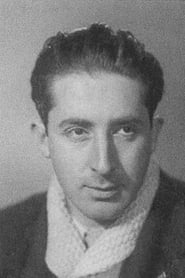
Grigori Kozintsev
Director
Born: March 22, 1905 in Kiev, Russian Empire (now Kyiv, Ukraine) Died: May 11, 1973 Active: 1924-1973 Birth Name: Grigori Mikhailovich Kozintsev
Films
8 films



About Grigori Kozintsev
Grigori Kozintsev — Soviet film director who, with Leonid Trauberg, formed the FEKS collective and later directed landmark adaptations including Hamlet (1964) and King Lear (1971). His work from the silent era through the golden age of Soviet cinema shaped Russian and international art-house cinema.
The Craft
Behind the Camera
Kozintsev's directing style evolved dramatically throughout his career. His early FEKS period was characterized by experimental techniques influenced by Soviet montage theory and German Expressionism, incorporating circus elements, grotesque comedy, and dynamic camera movement. He favored eccentric performances and visual gags that challenged conventional cinematic language. By the 1930s, his style became more socially conscious while retaining visual innovation, particularly in the Maxim trilogy where he blended individual character development with broader social commentary. In his later period, especially his Shakespeare adaptations, Kozintsev developed a more classical, restrained approach emphasizing psychological depth, philosophical themes, and visual poetry. His compositions became meticulously crafted, using landscape and architecture to reflect inner psychological states, while maintaining the theatrical sensibility that marked his entire career.
Milestones
- Co-founded FEKS (Factory of the Eccentric Actor) in 1924
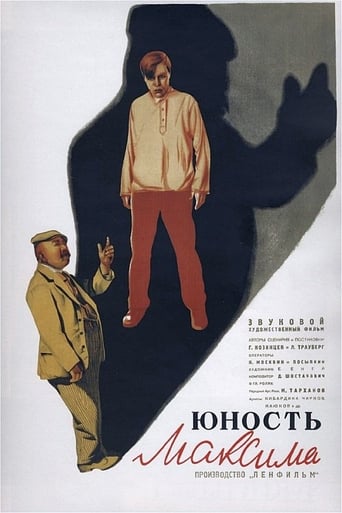
- Directed the acclaimed Maxim trilogy (1935-1939)
- Created internationally acclaimed Shakespeare adaptations
- Served as professor at Leningrad Institute of Theatre, Music and Cinematography
- Received People's Artist of the USSR honor (1964)
- Won Lenin Prize for 'Hamlet' (1965)
- Collaborated with composer Dmitri Shostakovich on multiple films
Best Known For
Must-See Films
Accolades
Won
- People's Artist of the USSR (1964)
- Lenin Prize (1965) for 'Hamlet'
- USSR State Prize (1968) for 'King Lear'
- Vasilyev Brothers State Prize of the RSFSR (1966)
- Special Jury Prize at Venice Film Festival for 'Hamlet' (1964)
Nominated
- Academy Award nomination for Best Foreign Language Film for 'Hamlet' (1964)
- Golden Globe nomination for Best Foreign Language Film for 'Hamlet' (1964)
- BAFTA nomination for Best Film for 'Hamlet' (1965)
Special Recognition
- Order of Lenin (multiple times)
- Order of the Red Banner of Labour
- Honored Artist of the RSFSR
- People's Artist of the RSFSR
Working Relationships
Worked Often With
Studios
Why They Matter
Impact on Culture
Grigori Kozintsev profoundly influenced both Soviet and world cinema through his innovative approaches to visual storytelling and literary adaptation. His early FEKS work helped establish the avant-garde aesthetic in Soviet cinema, demonstrating how popular entertainment forms like circus and vaudeville could be elevated to high art through cinematic techniques. The Maxim trilogy set a standard for socially conscious filmmaking that managed to satisfy Soviet ideological requirements while maintaining artistic merit and psychological complexity. His Shakespeare adaptations brought international attention to Soviet cinema and proved that classical literature could be reinterpreted through a socialist lens without losing its universal themes. Kozintsev's visual style, particularly his use of landscape and architecture to reflect psychological states, influenced generations of filmmakers worldwide. His theoretical writings and teaching helped shape Soviet film education for decades, ensuring his influence extended far beyond his own films.
Lasting Legacy
Grigori Kozintsev's legacy endures as one of Soviet cinema's most important and versatile directors, bridging the experimental avant-garde of the 1920s with the classical mastery of his later period. His Shakespeare adaptations, particularly 'Hamlet' and 'King Lear,' remain definitive screen interpretations that continue to influence how the Bard's works are approached cinematically. The Maxim trilogy stands as a landmark achievement in Soviet cinema, successfully balancing individual character development with collective social themes. Kozintsev's theoretical writings and decades of teaching created a lasting impact on Soviet film education, influencing countless directors who followed. His ability to navigate the treacherous political landscape of Soviet culture while maintaining artistic integrity serves as an inspiration for filmmakers working under restrictive conditions. Today, his films are studied worldwide for their visual poetry, psychological depth, and innovative approach to literary adaptation, cementing his place in the pantheon of great film directors.
Who They Inspired
Kozintsev's influence extends across multiple generations of filmmakers, both within and beyond the Soviet Union. Andrei Tarkovsky was notably influenced by Kozintsev's visual poetry and philosophical approach to cinema. Sergei Parajanov drew inspiration from Kozintsev's ability to blend theatricality with cinematic realism. His Shakespeare adaptations set a new standard for literary adaptation in cinema, influencing directors like Laurence Olivier, Orson Welles, and later Kenneth Branagh. His early experimental work with FEKS inspired later avant-garde filmmakers interested in pushing the boundaries of cinematic language. Through his teaching at the Leningrad Institute, he directly mentored numerous Soviet directors who went on to shape Russian cinema in the 1960s and 1970s. His approach to using landscape and architecture as psychological elements has been adopted by countless directors seeking to visualize internal states through external environments.
Off Screen
Grigori Kozintsev was married to actress Ada Voitsik, with whom he had a daughter. He was deeply immersed in both cinema and theater throughout his life, maintaining parallel careers in both mediums. Despite his prominence in Soviet cultural circles, he faced significant ideological pressure and censorship, particularly during the Stalin era. He was known for his intellectual pursuits and wrote extensively on film theory and theatrical practice. Kozintsev maintained friendships with many prominent Soviet artists and intellectuals, including composer Dmitri Shostakovich, with whom he collaborated on several films. His later years were marked by international recognition for his Shakespeare adaptations, though he continued to face some domestic criticism for his artistic choices.
Education
Graduated from Kiev Art School (1923), Studied at Leningrad Institute of Theatre Arts
Family
- Ada Voitsik (married 1930s until his death in 1973)
Did You Know?
- Co-founded FEKS at age 19, naming it after Charlie Chaplin's 'The Circus'
- His early films were heavily influenced by circus traditions and American comedies
- Worked closely with composer Dmitri Shostakovich on five films
- His 'Hamlet' won the Special Jury Prize at Venice but was criticized by some Soviet officials for being too pessimistic
- Was a professor at Leningrad Institute for over 30 years, teaching both film and theater
- His collaboration with Trauberg ended partially due to political pressure in the late 1940s
- Wrote influential books on film theory including 'The Deep Screen' and 'Shakespeare: Time and Conscience'
- His films often featured social commentary carefully hidden within conventional narratives to avoid censorship
- 'King Lear' was his final film, completed when he was 65 and already in declining health
- Maintained parallel careers in both cinema and theater throughout his life
- His apartment in Leningrad became a gathering place for Soviet intellectuals and artists
- Was one of the few Soviet directors to have films distributed widely in the West during the Cold War
In Their Own Words
Cinema is the art of the visible, but it must reveal the invisible.
The camera is not merely a recording device, but a way of thinking.
To adapt Shakespeare is not to illustrate him, but to discover him anew through cinema.
In film, as in life, the most important things happen between the frames.
We must learn to see with our ears and hear with our eyes.
The truth of cinema lies not in what it shows, but in what it suggests.
Every film is a battle between the director's vision and the material's resistance.
Frequently Asked Questions
Who was Grigori Kozintsev?
Soviet film and theater on YTB.my. He was.
What films is Grigori Kozintsev best known for?
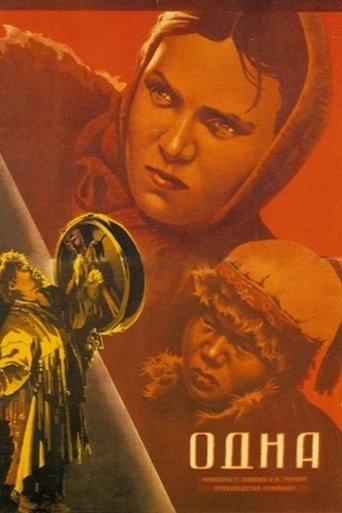
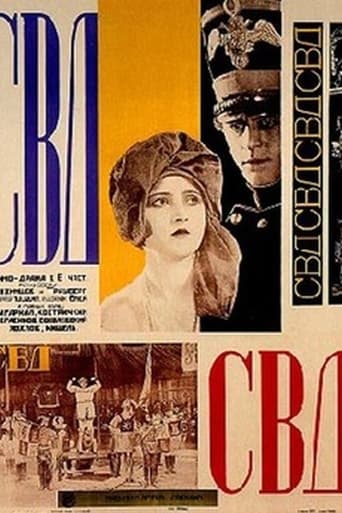
Titles linked here include The Club of the Big Deed (1927), Alone (1931).
When was Grigori Kozintsev born and when did he die?
Born March 22, 1905; died May 11, 1973.
What awards did Grigori Kozintsev win?
Kozintsev received numerous prestigious awards including the People's Artist of the USSR (1964), Lenin Prize (1965) for 'Hamlet,' USSR State Prize (1968) for 'King Lear,' and the Special Jury Prize at Venice Film Festival for 'Hamlet.' He also received multiple Orders of Lenin and was nominated for an Academy Award for Best Foreign Language Film.
What was Grigori Kozintsev's directing style?
Kozintsev's directing style evolved from experimental, circus-influenced avant-garde techniques in his early FEKS period to a more classical, psychologically deep approach in his later work. He was known for visual poetry, meticulous compositions, and the ability to blend theatricality with cinematic realism, particularly in his Shakespeare adaptations.
What was FEKS and why was it important?
FEKS (Factory of the Eccentric Actor) was the experimental film collective co-founded by Kozintsev and Leonid Trauberg in 1924. It was important for revolutionizing Soviet cinema through its incorporation of circus elements, grotesque comedy, and innovative montage techniques, challenging conventional cinematic language and influencing future avant-garde filmmakers.
How did Grigori Kozintsev influence other filmmakers?
Kozintsev influenced generations of filmmakers through his innovative visual style, approach to literary adaptation, and decades of teaching. He directly influenced directors like Andrei Tarkovsky and Sergei Parajanov, while his Shakespeare adaptations set new standards for adapting classic literature to cinema that continue to influence filmmakers worldwide.