
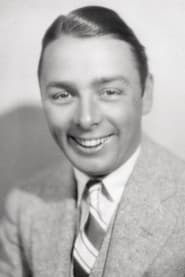
George K. Arthur
Actor
Born: February 26, 1899 in Birmingham, England, United Kingdom Died: March 9, 1985 Active: 1925-1933
Films
7 films
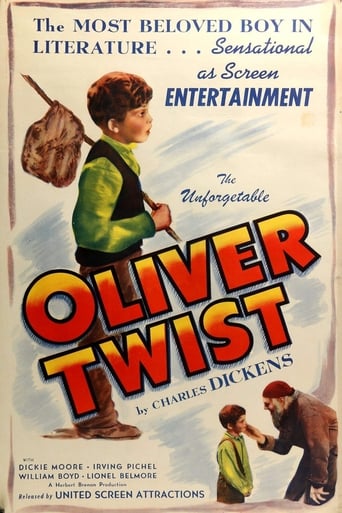
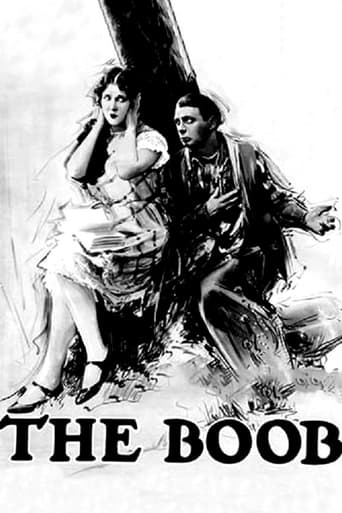
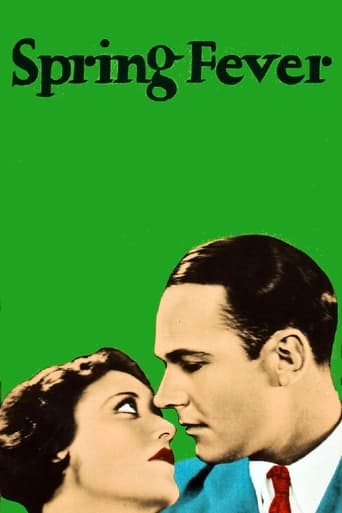

About George K. Arthur
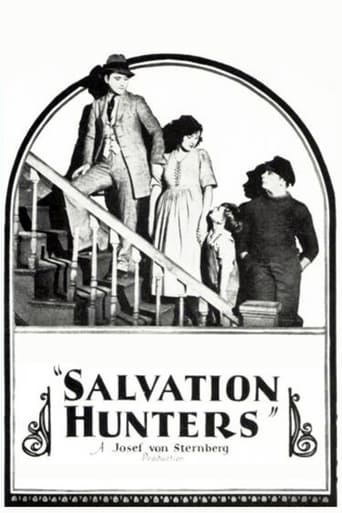
British-born silent-era and early sound film actor: screen career flourished in Hollywood during the 1920s and early 1930s. He became known for his light-comedy presence, polished manners, and slightly raffish persona, which made him especially effective in sophisticated romantic comedies and adventurous melodramas. Arthur worked steadily during the late silent period, appearing in films such as The Salvation Hunters, Bardelys the Magnificent, The Boob, and Spring Fever, and he remained active as the industry transitioned into sound. Like many actors of his generation, he found that the arrival of talkies narrowed the range of roles available to him, though he continued to work into the early 1930s. Beyond his acting work, he later became involved in the business side of film exhibition and production, which gave him a broader place in the cinema world than his acting credits alone might suggest. He is remembered today as a dependable and charismatic supporting player from the late silent era, especially associated with polished comedic and romantic character parts. His surviving filmography reflects the vitality of mid-1920s Hollywood, when studio production, glamorous star vehicles, and inventive screen comedy were all developing rapidly.
The Craft
On Screen
George K. Arthur was best suited to light, urbane, and sharply individualized character work rather than broad melodramatic display. In silent films, he projected personality through physical ease, facial expressiveness, and a carefully balanced comic sophistication that helped him stand out in ensemble casts. He often played jaunty, personable, or slightly sly figures, and he brought a polished modernity to roles that required charm more than intense pathos. His screen manner was adaptable enough to fit both comic situations and romantic adventure settings, which helped him remain useful to studios during the competitive late 1920s. In early sound films, performers with this kind of controlled, conversational style could sometimes transition more smoothly than highly theatrical silent stars, though Arthur's career still tapered as the industry changed.
Milestones
- Appeared in the acclaimed silent films The Salvation Hunters and Bardelys the Magnificent in 1925-1926
- Built a career as a dependable supporting player in Hollywood during the late silent era
- Worked through the transition from silent films to sound pictures in the late 1920s and early 1930s
- Expanded his film-world involvement beyond acting into the business side of cinema later in life
Best Known For
Iconic Roles
Must-See Films
Working Relationships
Worked Often With
Studios
Why They Matter
Impact on Culture
George K. Arthur’s cultural importance lies in his representation of a very specific and important type of silent-era performer: the adaptable supporting actor who helped define the tone of 1920s Hollywood comedies and romantic entertainments. While he was not a top-billed superstar, he contributed to the texture of studio-era storytelling by supplying charm, wit, and social polish in roles that balanced larger personalities around him. His work is part of the broader historical record of how British performers helped shape American film style in the silent period, bringing a somewhat cosmopolitan flavor to Hollywood productions. Because so many of his films survive in discussion among silent-cinema enthusiasts, Arthur remains a recognizable name to scholars and collectors interested in the ensembles that powered the studio system. His career also illustrates how quickly the transition to sound could alter an actor’s opportunities, making him a useful example in histories of industrial change in cinema.
Lasting Legacy
Arthur's legacy is that of a reliable and memorable character actor from the late silent period whose performances helped support some of the era's most interesting films. He is not remembered as a major star, but rather as part of the dense professional fabric that made classic Hollywood work at a high level of craftsmanship. His filmography offers a window into the range of roles available to well-liked supporting players in the 1920s, especially in comedy and sophisticated entertainment. For historians of silent cinema, he is valuable as a performer who bridged the silent and early sound eras and who later remained connected to film culture beyond acting. His career endures primarily through the preservation and study of the films in which he appeared, where his presence contributes to the period's distinctly modern, brisk, and often playful screen style.
Who They Inspired
Arthur's influence was less about direct star-making and more about establishing a model of urbane, flexible supporting performance that many later character actors would continue to use. His work demonstrated how a performer could make a strong impression without dominating the frame, relying on timing, posture, and expressive restraint. In silent comedy and romantic adventure, that kind of controlled screen personality became an important tool for ensemble storytelling. He also stands as one of the many British performers who helped internationalize Hollywood's talent pool during the 1920s. While there is no strong evidence of a formal mentoring legacy, his surviving performances remain instructive for actors and scholars interested in the mechanics of late silent-era screen acting.
Off Screen
George K. Arthur was born in Birmingham and later built his career in the United States, where he became part of the international flow of performers who worked in Hollywood during the silent era. Publicly available biographical details about his private life are limited compared with major stars of the period, and he does not appear to have been the subject of extensive publicity campaigns. He was married, but comprehensive details about spouses, family life, and children are not well documented in readily available classic-cinema reference sources. Like many actors of his generation, his later life moved away from mainstream screen visibility, and he is better remembered through his films and professional credits than through a widely reported personal narrative.
Education
Formal educational background is not well documented in standard film-reference sources.
Family
Did You Know?
- He was born in Birmingham, England, but is most closely associated with Hollywood film work in the 1920s.
- His career spans both the silent era and the earliest years of sound cinema.
- He appeared in The Salvation Hunters, an early and historically notable film associated with John Ford's career as a writer and director.
- He was often cast in roles calling for charm, sophistication, or comic dexterity rather than heavy dramatic intensity.
- His active screen career was relatively brief compared with many studio-era actors, lasting roughly from the mid-1920s to the early 1930s.
- He is a useful example of the many skilled supporting players whose careers were affected by the transition from silent films to talkies.
- Later in life, he remained connected to the motion-picture world beyond his acting years.
- Despite a modest public profile, he is still cited in silent-film reference sources and databases because of his steady work in notable productions.
Frequently Asked Questions
Who was George K. Arthur?
British-born with credits in this catalog. He is best remembered as a polished supporting player in comedies, romantic adventures, and other studio-era productions of the 1920s.
What films is George K. Arthur best known for?
Titles linked here include The Salvation Hunters (1925), Bardelys the Magnificent (1926).
When was George K. Arthur born and when did he die?
Born February 26, 1899; died March 9, 1985.
What awards did George K. Arthur win?
No major awards or widely documented industry honors are commonly associated with George K. Arthur in standard reference sources. He is chiefly recognized for his film work rather than for a recorded awards history.
What was George K. Arthur's acting style?
Arthur’s screen style was light, urbane, and expressive, with an emphasis on charm, comic timing, and social polish. He worked especially well in roles that required a personable supporting presence rather than broad emotional display.
What is George K. Arthur's legacy in film history?
His legacy lies in the strong but often underappreciated supporting work that helped define late silent-era Hollywood. He remains a useful figure for understanding how character actors contributed to the tone, rhythm, and sophistication of classic cinema.