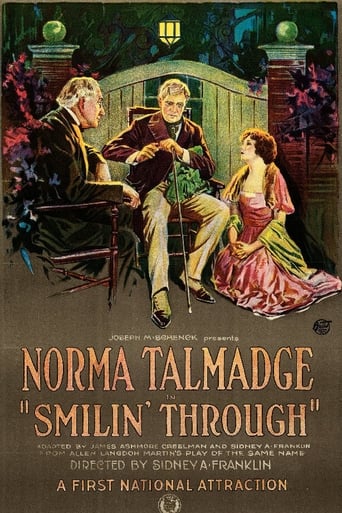
Her Sister from Paris
"null"
Plot
Helen, a respectable young wife, lives in the shadow of her husband’s emotional reserve and begins to suspect that his affection may be cooler than she hoped. Matters become far more complicated when Helen’s glamorous twin sister, the celebrated actress known as La Perry, enters the picture and agrees to help stage an elaborate deception. The sisters switch places in order to test the husband’s devotion and provoke a reaction that will reveal his true feelings. What begins as a playful confidence game develops into a brisk romantic farce of mistaken identity, flirtation, and social embarrassment, eventually forcing everyone to confront jealousy, vanity, and the difference between performance and genuine love.
About the Production
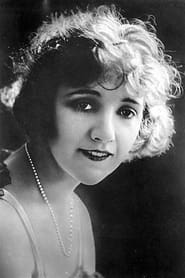
Her Sister from Paris was produced during the height of the silent-era star comedy and tailored as a sophisticated vehicle for Constance Talmadge, whose screen persona depended on wit, modern femininity, and romantic mischief. Sidney Franklin, who had a strong reputation for elegant comedy direction, staged the picture as a polished social farce rather than a broad slapstick vehicle, emphasizing drawing-room reversals, stylish costuming, and the chemistry among the leads. The film is adapted from a play-based story tradition common in the 1920s, where twin-switch plots and marital tests allowed audiences to enjoy risqué misunderstandings while remaining within the boundaries of mainstream melodramatic comedy. Precise budget and box-office figures are not readily documented in surviving references, but the film was clearly positioned as a commercial star attraction for First National’s release slate.
Historical Background
Her Sister from Paris was produced in 1925, a moment when the American silent film industry was at full maturity and Hollywood was competing fiercely to deliver polished, star-centered entertainment. The mid-1920s were also a period of rapid social change in the United States, with women’s roles in public life expanding after suffrage and with modern urban culture increasingly visible in film comedies. Twin-switch and marriage-test plots fit the era’s fascination with changing gender expectations, romantic independence, and the tension between domestic idealism and modern flirtation. The movie also belongs to the last great flowering of silent sophisticated comedy just before the transition to sound transformed performance style, pacing, and audience expectations. In that sense, the film is historically important as part of the final, highly refined phase of silent-era romantic farce.
Why This Film Matters
The film is significant as part of the cycle of elegant silent comedies that helped define how Hollywood represented modern femininity in the 1920s. Constance Talmadge’s films often presented women as resourceful, witty, and capable of manipulating social situations on their own terms, which made her an important screen figure for audiences navigating new ideas about marriage, courtship, and independence. The twin-sister deception plot also reflects a broader cultural fascination with performance, celebrity, and the instability of identity, themes that remain recognizable in later comedies. While not one of the most famous silent films today, it contributes to the understanding of how popular cinema balanced moral convention with playful transgression during the Jazz Age. It is also useful to scholars for studying the careers of Talmadge, Franklin, and Ronald Colman at a formative stage.
Making Of
Her Sister from Paris was made as a star-driven silent comedy vehicle, with the narrative built around Constance Talmadge’s strengths: timing, expressive reaction work, and a persona that balanced charm with comic assertiveness. Productions of this type relied heavily on elegant blocking, intertitles that could carry sharp wit, and visual contrast between the two sisters so the audience could always track the deception even while the characters were fooled. Because silent comedies depended on physical nuance and costume-based differentiation, the twin-role concept would have required careful planning in makeup, wardrobe, and staging. Sidney Franklin’s direction likely focused on keeping the action brisk and the farcical situations legible, since films of this style had to sustain momentum without dialogue to clarify misunderstandings. The film also reflects the studio-era practice of adapting stage and literary comedic devices into screen entertainments that could appeal to middle-class audiences seeking sophistication rather than pure slapstick.
Visual Style
The film’s visual style would have emphasized clean composition, expressive close-ups, and carefully staged interior scenes suited to drawing-room comedy. Silent romantic farces like this often relied on medium shots and full-body staging to preserve physical business, while close-ups punctuated emotional reversals and comic reactions. The twin-sister premise would have required visual clarity in costume and performance, so the cinematography likely worked closely with wardrobe and blocking to make the two characters distinct. Because the film is a comedy rather than an effects-driven spectacle, the camera style was probably restrained, elegant, and functional, serving the rhythm of performance.
Innovations
The film’s main technical interest lies in its silent-era handling of twin identification and farcical synchronization rather than in any major special-effects breakthrough. If the production included scenes of both sisters together, those moments would have required careful double-exposure or split-frame techniques, or alternatively highly controlled staging and editing, depending on the specific scene construction. More broadly, the film demonstrates the technical polish of mid-1920s studio comedies, where editing, costume continuity, and performance precision were essential to clarity. Its craftsmanship is notable as an example of how silent filmmakers solved narrative complexity through visual discipline.
Music
As a silent film, Her Sister from Paris would originally have been accompanied by live music in theaters, with scores likely varying by venue and exhibitor. No single original soundtrack is universally documented in surviving reference sources, which is typical for many silent-era releases. Modern presentations, when available, may use newly compiled accompaniment or archival-style piano/orchestral scoring to match the film’s comic pacing and romantic mood. Music would have played an essential role in shaping the tone, especially during scenes of deception, flirtation, and revelation.
Famous Quotes
null
Memorable Scenes
- The central exchange in which Helen and her sister agree to switch roles and use the deception as a test of the husband’s feelings.
- The sequences in which the husband is forced to interact with the supposedly different women, creating escalating misunderstandings and comic tension.
- The eventual unraveling of the impersonation, which transforms the social game into a confrontation over sincerity and trust.
Did You Know?
- Constance Talmadge was one of the great comic actresses of the silent era, and this film was designed around her skill at playing independent, mischievous, and socially agile women.
- The twin-sister premise allowed the film to exploit one of silent comedy’s favorite devices: identity confusion, with the added glamour of a stage celebrity alter ego.
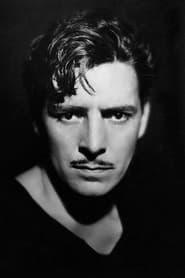
- Ronald Colman appears in an early screen role before becoming far better known for later prestige dramas and sound-era stardom.
- George K. Arthur was a frequent light-comedy performer in the 1920s and often played the energetic foil in romantic farces like this one.
- The film belongs to a period when sophisticated marital comedies were especially popular, reflecting changing attitudes toward marriage, women’s autonomy, and modern urban romance.
- Sidney Franklin later became an important director in both silent and sound eras, associated with refined comedies and literary adaptations.
- As with many silent features of the period, the film survives in archival form through preserved elements rather than only paper records, helping maintain its place in silent-cinema history.
- The story’s Parisian glamour was part of the 1920s fascination with cosmopolitan fashion, theatrical celebrity, and chic modern womanhood.
- The picture is often discussed in the context of Constance Talmadge’s string of witty comedies that made her one of the most bankable female stars of the 1920s.
- The film’s title and premise emphasize the duality between domestic respectability and public performance, a theme that resonated strongly with silent-era audiences.
What Critics Said
Contemporary reviews are not as widely preserved in easily accessible form as those of the most famous silent classics, but the film was generally received as a polished, appealing star comedy rather than an important dramatic work. Critics of the period tended to praise Constance Talmadge for her vivacity and the picture’s light, socially polished humor, while acknowledging that its appeal depended largely on star charisma and familiar farcical mechanics. Modern critical attention is mostly historical and archival, viewing the film as a representative example of upper-crust silent comedy and as part of Talmadge’s valuable body of work. Today it is appreciated less for innovation than for its style, its star performances, and its place within 1920s studio comedy traditions.
What Audiences Thought
At the time of release, audiences for this kind of film were generally drawn to the combination of romance, glamour, and comic confusion, especially when centered on a popular star like Constance Talmadge. The twin premise and marital test would have been immediately accessible to moviegoers, and the film’s sophisticated tone likely appealed to urban audiences seeking a lighter alternative to melodrama. As with many silent comedies of the period, the film’s success would have depended strongly on the star’s popularity and the freshness of the deception plot rather than on spectacle. In retrospect, audience interest is mainly among silent-film enthusiasts, classic-cinema historians, and viewers interested in the careers of the principals.
Film Connections
Influenced By
- Stage farce and twin-swap comedy traditions
- Popular silent-era marital comedies of the 1910s and 1920s
- Theatrical identity-switch plots common in boulevard comedy
This Film Influenced
- Twin-switch romantic comedies and later identity-farce films in Hollywood
You Might Also Like
More Comedy Films
View allMore from Sidney Franklin
View allFilm Restoration
The film is not generally classified as a lost film in major archival references and is believed to survive in preserved form through archival holdings or extant film elements, allowing modern researchers to study it.